
How to handle a loose tooth after an accidental trip or fall
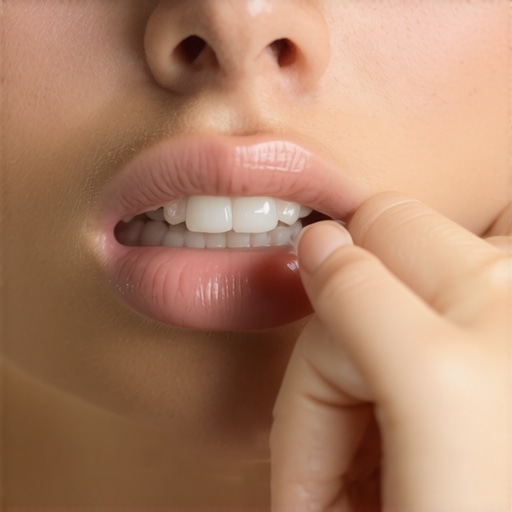
I still remember the sound. It wasn’t a crack, but more of a dull thud followed by the metallic taste of blood. I had tripped over my dog’s chew toy, face-planting directly onto the hardwood floor. After the initial shock wore off, I did what everyone does—I ran to the bathroom mirror and gave my front tooth a little nudge. It moved. My heart absolutely sank. In that moment, all my knowledge about family dentistry trends improving oral health for all ages felt like it vanished, replaced by pure, unadulterated panic. I made a huge mistake early on by constantly ‘checking’ the looseness with my tongue, which only irritated the surrounding ligaments. Today, I want to walk you through exactly what to do (and what to avoid) so you can keep your natural teeth right where they belong. We are going to tackle the immediate steps to stabilize your mouth and when you need to start thinking about the ultimate guide to crowns for a healthier smile if the damage is more than just a wiggle.
The Panic is Real But Your Tooth Can Be Saved
When you feel that sickening wiggle, your brain immediately goes to the worst-case scenario: a gap-toothed grin and expensive implants. But here is the thing I’ve learned through both personal blunders and years of research: teeth are surprisingly resilient if you treat them with a little respect in those first few hours. The reason this matters right now is that the periodontal ligaments—those tiny fibers holding your tooth in place—are basically in a state of shock. If you act fast, they can heal. I’ve seen people save teeth that looked like they were hanging by a thread just by knowing the best way to store a knocked-out tooth until you reach the ER, even if it hasn’t fully left the socket yet. Have you ever had one of those ‘slow-motion’ falls where you knew exactly what was about to happen? It’s a terrifying club to be a part of, isn’t it?
Is my tooth really going to fall out in my sleep?
This is the number one fear I hear from friends and neighbors who have taken a tumble. The skepticism is high—we assume once it’s loose, it’s a lost cause. However, according to the American Association of Endodontists, many luxated (dislodged) teeth can be permanently saved if they are stabilized by a professional within a very short window, often under an hour. You aren’t just waiting for it to ‘tighten up’ on its own; you are managing an injury. If you’ve ever had to manage a chipped front tooth until your appointment, you know that the waiting game is the hardest part. The goal today is to give you a concrete plan of action so you aren’t just sitting there poked and prodding at your reflection.
Take Your Hands Off the Panic Button
First things first: you need to stabilize the situation. Think of your loose tooth like a newly planted sapling in a windstorm. If you keep wiggling the trunk to see if the roots are holding, you’re actually tearing the tiny fibers that are trying to reattach.
Stop the Tongue Probing Immediately
I know it’s tempting. Your tongue is like a magnet to that loose spot. But every time you push it, you’re resetting the healing clock. When I had my accident, I spent the first hour ‘checking’ it every thirty seconds. By the time I got to the clinic, my gums were twice as swollen as they needed to be. If you’re worried about bacteria, instead of poking, try the salt water rinse trick for a sore mouth to keep the area clean without mechanical irritation. This keeps the environment sterile while the periodontal ligaments attempt to tighten back up.
Keep the Area Clean Without Brushing the Injury
You still need to maintain your hygiene, but you have to be tactical. Avoid the injured tooth with your toothbrush entirely for the first 24 hours. You can use a cotton swab dipped in antiseptic to very gently dab the gum line. This is one of those family dentistry secrets maintaining oral health with modern techniques at 254 pm that prevents infection while the ligaments are fragile. If you must use your brush on the rest of your mouth, learn the safest way to use an electric toothbrush on sensitive teeth to avoid sending vibrations through the loose tooth. 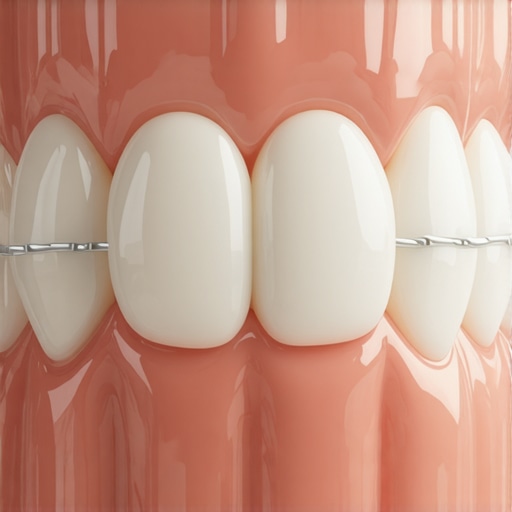
Prepare for the Dental Splint or Crown Conversation
When you finally get into the chair, the dentist isn’t going to just tell you to ‘wait and see.’ They will likely use a composite resin to ‘splint’ the loose tooth to its stable neighbors. It’s like a tiny internal cast that stays on for a few weeks.
Mastering the Art of Eating on One Side
This is where most people fail. I once thought I could handle a soft-crust pizza, but the suction alone was enough to make the tooth throb. You need to stick to a liquid or very soft diet. Reading up on what to eat after getting a new dental crown provides a perfect blueprint for this phase. You want smoothies, lukewarm soups, and mashed potatoes. If the tooth was traumatized enough that the nerve is dying, your dentist might discuss crowns vs veneers which is better for your smile cure at 429 pm to protect the structural integrity of the tooth long-term.
Flossing Around a Temporary Fix
If your dentist puts a splint or a temporary restoration in place, do not pull the floss upward. I’ve seen people pop their own stabilization out by being too aggressive during their nightly routine. You must learn how to floss around a temporary crown without pulling it off by pulling the floss through the side rather than snapping it back up. It sounds like a small detail, but it’s the difference between a successful save and an emergency trip back to the office on a Sunday night.Once the initial shock of a loose tooth subsides, most people fall into the trap of thinking the danger has passed. This is the ‘false security’ phase. In my experience, the biggest mistake isn’t the initial injury, but the failure to manage the occlusal force during the healing weeks. If your tooth feels slightly ‘higher’ than the ones next to it, you aren’t just imagining things. This is a red flag for occlusal trauma. Every time you close your mouth, you are essentially hammering that injured tooth deeper into an already inflamed socket. This prevents the periodontal ligaments from ever truly reattaching. A study published in the Journal of Clinical Periodontology confirms that even minor bite discrepancies can lead to secondary bone loss if not corrected early. This is why choosing the right crown expert advice for long lasting results often involves a dentist shaving down a few microns of enamel to give that tooth ‘clearance’ to heal.
Does my tooth feel taller because it is loose or because it is moving?
It is usually a bit of both. When the ligament is inflamed, it swells, physically pushing the tooth upward. You might wake up and notice the specific reason your crown feels tall when you wake up is often due to nocturnal grinding that has aggravated the area. Many people assume they need a permanent fix immediately, but rushing into a restoration while the tooth is still in the ‘acute’ phase of trauma is a common blunder. You have to let the inflammation settle first. If you rush, you might end up wondering why your crown feels sensitive to cold months after it was placed because the underlying nerve was never given the chance to recover. 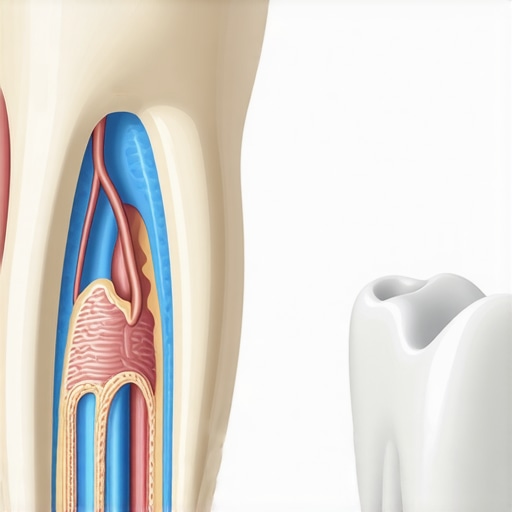
The Truth About Alignment and Tooth Stability
Here is a contrarian view: sometimes the best way to save a loose tooth is to move the ones around it. We often think of orthodontics as purely cosmetic, but in complex trauma cases, how invisalign transforms family dentistry in 2025 includes creating the space necessary for a traumatized tooth to sit comfortably without being battered by its neighbors. Many invisalign myths debunked what you need to know today suggest it is only for teens, but for an adult with a history of dental trauma, subtle alignment can be a literal lifesaver for a loose tooth. If you are struggling with a restoration that just doesn’t feel ‘right’ in your bite, don’t just wait for it to wear down. You need to know what to do when your crown feels taller than your other teeth before you cause permanent damage to the jaw joint. Have you ever fallen into this trap of ‘waiting out’ a bad bite? Let me know in the comments. Keeping up with family dentistry trends improving oral health for all ages means understanding that your mouth is a dynamic system—one high spot can ruin a perfect save.Once you’ve successfully navigated the immediate terror of a loose tooth, the real work begins. I’ve found that the ‘wait and see’ approach is a recipe for a second disaster. To keep that tooth stable and ensure any restorative work like crowns or splints actually lasts, I had to completely overhaul my bathroom cabinet. I used to be a ‘manual brush and string floss’ purist, but that changed the moment I realized how much mechanical stress I was putting on my healing gums. I personally switched to a high-end water flosser because it allows me to flush out debris around a delicate splint or a new restoration without the ‘snapping’ motion of traditional floss that can sometimes dislodge temporary fixes. If you are currently dealing with a fragile area, knowing the best way to clean your retainers without using harsh chemicals or managing your oral appliances gently is the baseline for success.
The Gear That Actually Saved My Sanity
I cannot stress enough how much a pressure-sensing electric toothbrush changed my recovery. I used to scrub like I was cleaning a grout line, but according to the ISO 20127:2020 technical standard for powered toothbrushes, the pressure sensitivity mechanism isn’t just a luxury—it’s a requirement for preventing soft tissue abrasion and protecting the attachment of the periodontal ligament. When I was healing, that little red light on my brush was the only thing stopping me from over-cleaning the traumatized area. This is one of those family dentistry secrets maintaining oral health with modern techniques at 254 pm that separates the people who keep their teeth from those who end up back in the emergency chair. If you’re nervous about your technique, learning the safest way to use an electric toothbrush on sensitive teeth is your first step toward long-term stability. 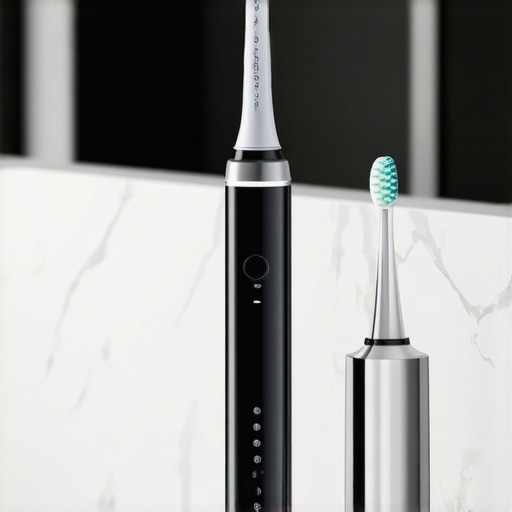
How do I maintain my dental stability over the long haul?
Maintenance isn’t a one-and-done deal; it’s about managing the ‘occlusal load’—the fancy way dentists say ‘how hard you bite.’ For me, a custom-fitted night guard became non-negotiable. I realized that my ‘tall tooth’ feeling was actually caused by nocturnal clenching that kept the ligament inflamed. If you’ve ever wondered why your crown feels sensitive to cold months after it was placed, it’s often because the tooth is being overworked at night. By using a guard, you distribute those forces evenly. Long-term results also depend on choosing the right crown expert advice for long lasting results so that the materials used—whether zirconia or porcelain—are compatible with your specific bite alignment.
The Future of At-Home Dental Monitoring
Looking ahead, I predict we are moving toward a world where ‘teledentistry’ isn’t just a video call, but a real-time data stream. We are already seeing invisalign innovations the future of family dentistry revealed at 1137 am that include AI-integrated scanning apps which let your doctor track tooth movement from your bedroom. In the next few years, I expect we will have ‘smart crowns’ with embedded sensors that can alert your phone if they detect unusual pressure or the beginnings of a fracture. This level of the hidden benefits of invisalign for family dental care in 2025 at 903 am means we can catch failures before they become painful emergencies. **Try this tonight:** Swap your manual brush for a pressure-sensor electric model and focus purely on the gum line without applying any ‘scrubbing’ force; you’ll likely notice a massive reduction in sensitivity within just three days. This is how we move from reactive panic to proactive health.
Hard Truths About Saving Your Natural Smile
I’ve learned the hard way that a loose tooth isn’t just a physical injury; it is a mental game of patience. One lightbulb moment for me was realizing that ‘feeling fine’ is a trap. Just because the initial ache subsides doesn’t mean the ligaments have fused. You have to treat that tooth like a broken bone for at least six weeks. If you rush back into eating crunchy foods or skipping your night guard, you are essentially undoing days of cellular repair. I also realized that top oral health tips for your familys bright smiles often miss the emotional component of dental trauma—it is okay to feel anxious, but don’t let that anxiety drive you to keep touching the tooth. Finally, I discovered that when a tooth is severely compromised, why crowns are a game changer in restorative dentistry becomes very clear because they act as a protective helmet for the weakened structure.
The Survival Kit for Your Bathroom Counter
If you want to move from panic to a proactive recovery, you need the right tools on hand. I personally trust these resources because they minimize mechanical stress while maximizing hygiene. First, a high-quality water flosser is a lifesaver for cleaning around splints without the risk of pulling a temporary loose. Second, I recommend keeping a dedicated container for appliances, and learning the best way to clean your retainers without using harsh chemicals to ensure you aren’t introducing irritants to healing gums. Third, for those looking at long-term alignment to prevent future trauma, comparing invisalign vs braces which solution fits your lifestyle can help you create a bite that is less prone to injury. I trust these methods because they focus on ‘passive’ cleaning and stability rather than aggressive scrubbing.
You Control the Future of Your Smile
Modern dentistry is truly incredible, and a loose tooth is no longer the automatic death sentence for your smile that it used to be. By staying disciplined with your soft diet and keeping your hands away from your mouth, you give your body the best possible chance to heal itself. Whether you end up needing a simple splint or you decide to transform your smile how crowns boost oral health confidence at 815 am later on, the steps you take in the next 48 hours will define your results for years to come. Your natural teeth are worth the extra effort, so stay the course and trust the process. Have you ever successfully saved a loose tooth through a soft-food diet and patience? Let me know your experience below.