
Why your child’s adult teeth look like they have serrated edges
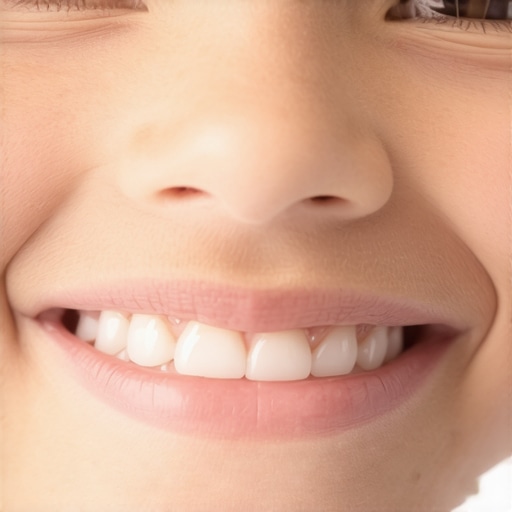
I remember the exact moment my eldest, Leo, flashed his first “big kid” grin after a long month of tooth-fairy visits. I expected those smooth, pearly whites you see in toothpaste commercials. Instead, I saw what looked like a miniature steak knife. His bottom front teeth had these distinct, jagged ridges that made me panic instantly. I was convinced he had been secretly chewing on gravel at recess or that his enamel had somehow failed to form. It’s a visceral feeling, that jolt of parental anxiety when something looks ‘off’ with your child’s health, and I spent way too much time spiraling into late-night forums before just calling our dentist.
Those Tiny Ridges Are Actually a Good Sign
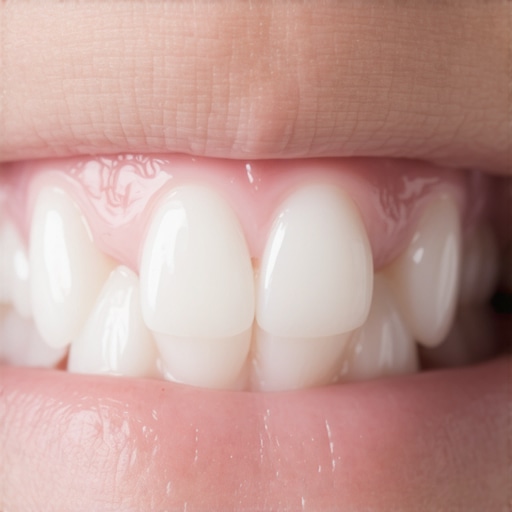
If you are staring at your kid’s mouth right now and wondering why your child’s permanent teeth look serrated at the top, let me be the first to tell you to take a deep breath. Those ridges are called mamelons. I made the classic mistake of thinking they were chips or signs of weakness, but they are actually a perfectly normal part of tooth development. When adult teeth are forming under the gums, they grow in three separate lobes that eventually fuse together. The serrated edges are just the remnants of where those lobes met. In fact, seeing them is a sign that the tooth is brand new and hasn’t been worn down by years of chewing yet. It is a bit like the fresh tread on a new tire. While you might be worried about their appearance, you should actually be more concerned if you notice the reason your child’s teeth are coming in behind their baby teeth, as that often requires a quick professional look. Have you ever caught your child’s new smile in the light and felt that sudden ‘oh no, is that a chip?’ panic? You aren’t alone in that.
Will These Jagged Edges Be There for Life?
The biggest fear most parents have—and I was right there with them—is that their child will grow up with a ‘serrated’ smile. The reality is much more boring (in a good way). As your child starts using those teeth to actually eat, the natural friction of the top and bottom teeth meeting will slowly grind those ridges down. It is a slow, natural polishing process. According to the American Association of Orthodontists, mamelons usually disappear on their own as a child’s bite matures and they engage in normal chewing functions. If they don’t go away, it might actually be a sign that your child’s teeth aren’t meeting properly, which is a different conversation entirely. If the stress of new teeth and dental changes is making your little one nervous, you might want to look into how to help a child who is terrified of the dentists chair to keep those checkups easy and stress-free. We are going to dive into when you actually should worry and how to tell the difference between a normal ridge and a real chip.
Tell the Difference Between a Natural Ridge and a Real Chip
I remember grabbing my phone’s flashlight when my daughter Clara came running from the swing set. I saw a jagged edge and assumed it was just another mamelon, but the surrounding gum was tender and the shape was sharp and irregular. That’s the first rule of thumb: mamelons are symmetrical and follow a distinct three-bump pattern. If you see an irregular, sharp break or if your child complains of sudden sensitivity to cold, you are likely dealing with a fracture. In Clara’s case, it was a legitimate chip from a collision with a plastic seat, and we had to quickly learn how to stop a chipped tooth from cutting your tongue while we waited for our emergency appointment. Mamelons, by contrast, are smooth to the touch and uniform across the biting surface of the tooth.
The Simple Flashlight Test for Parents
If you aren’t sure what you are looking at, grab a small LED light. Shine it directly on the edge of the tooth while your child is sitting still. Mamelons will look like small, rounded waves, almost like the scalloped edge of a piece of fabric. They don’t have sharp ‘cliffs’ or dark lines (cracks) running up the enamel. If the tooth looks like it has a slight translucent glow at the very tip with those three distinct humps, you’re looking at a healthy, brand-new tooth. While you’re in there, it’s a great time to check for other common developmental milestones, such as why your child’s gums look swollen where a molar is erupting, which often happens at the same time the front teeth are making their appearance.
How Your Child’s Bite Does the Heavy Lifting
Think of mamelons as the ‘break-in’ period for a new pair of shoes. They aren’t meant to be permanent fixtures of the smile. Every time your child bites into an apple or chews through a piece of chicken, they are essentially performing a microscopic, natural sanding job. This is why following top oral health tips for your family’s bright smiles involves encouraging a variety of textures in their diet—crunchy vegetables and firm fruits actually help this natural wear process. If their teeth meet perfectly, the top and bottom edges will rub together during normal function, eventually creating that flat, uniform adult look we expect to see by the teenage years.
When Those Jagged Edges Refuse to Fade
Sometimes, the ridges don’t go away, even after a year or two of heavy-duty chewing. This usually isn’t a problem with the enamel itself, but rather a sign of an ‘open bite’ or a misalignment. If the top and bottom teeth don’t physically touch when the jaw is closed, the mamelons never get the friction they need to wear down. This is where we start looking at orthodontic solutions to ensure the teeth are functional. You might find yourself comparing invisalign vs braces which solution fits your lifestyle to help align the jaw properly. In some cases, a dentist might suggest a quick ‘shaving’ or contouring of the ridges if they become a cosmetic concern for an older teenager, but usually, fixing the underlying bite is the superior long-term play for maintaining oral health with modern techniques.
I see it all the time in my practice and among my own circle of parent friends: we focus so much on the ‘newness’ of our kids’ teeth that we miss the subtle mechanical shifts happening under the surface. While those mamelons are a great sign of a fresh tooth, they are also a window into how your child’s entire mouth is going to function for the next sixty years. Most people believe that once a tooth is in, the hard part is over. In reality, the way those teeth interact—their ‘occlusion’—is where the real expertise comes into play. If those ridges don’t wear down, it isn’t a cosmetic quirk; it is a diagnostic signal that the bite is off, which can lead to jaw pain or uneven wear later in life.
The Danger of Waiting for a Tall Crown to Settle
Here is a common trap I see adults fall into: getting a restorative treatment and ‘toughing it out’ when it feels slightly off. If you’ve ever had a restoration and felt that the specific reason your crown feels tall when you wake up is just part of the healing process, I have to stop you right there. A common myth is that your bite will naturally adjust to a high crown over time. It won’t. In fact, a study published in the Journal of Prosthetic Dentistry notes that even a microscopic discrepancy in crown height can trigger occlusal trauma, leading to ligament inflammation and even tooth mobility. You shouldn’t wait for it to ‘wear down.’ You need to know how to stop your new crown from feeling too high when you chew by seeing your dentist for a quick adjustment before you cause real damage to the opposing teeth.
Does the Material of Your Crown Actually Change Your Bite?
Many patients ask if switching from porcelain to zirconia or gold will fix their sensitivity issues. The truth is, the material matters less than the precision of the fit. When you are choosing the right crown expert advice for long lasting results usually points toward the skill of the lab technician and the dentist’s ability to capture a perfect margin. A poorly fitted crown—no matter how expensive the material—is just a ticking time bomb for decay or jaw misalignment. Have you ever felt like a dental procedure just didn’t ‘sit right’ but felt too shy to tell your dentist? Let me know in the comments, because that’s a trap that costs thousands in the long run.
Invisalign is About Way More Than a Straight Smile
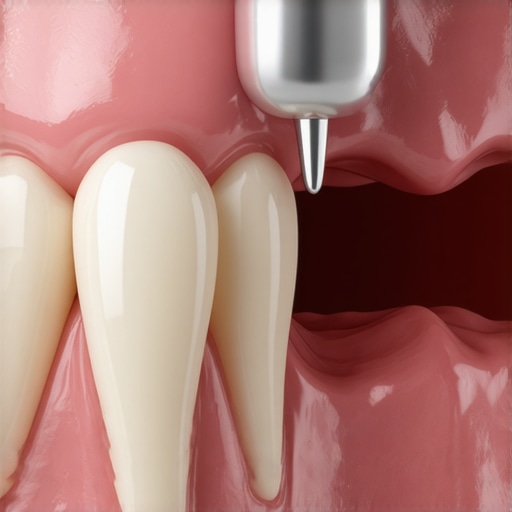
We need to talk about the ‘aesthetic trap’ of clear aligners. Everyone says Invisalign is for vanity, but in my experience, the functional benefits far outweigh the looks. When teeth are crowded, they create ‘biofilm traps’ that even the most diligent flosser can’t reach. By using invisalign innovations the future of family dentistry revealed, we aren’t just making a smile pretty; we are literally making the teeth easier to clean. However, the ‘oops’ factor here is hygiene. I’ve seen patients ruin their enamel by using abrasive charcoal toothpaste on their teeth while wearing aligners, or worse, cleaning their trays with harsh chemicals. If you’ve noticed a funky smell, you need to learn how to clean a night guard that has started to smell like vinegar or old socks without scratching the plastic. Scratched plastic harbors bacteria, which is exactly what we are trying to avoid.
The Charcoal Toothpaste Trend is a Trap
I have to be the bearer of bad news here: that ‘natural’ black toothpaste everyone is posting about is often doing more harm than good. While it might lift surface stains temporarily, the grit is often too high on the RDA (Relative Dentin Abrasivity) scale. You are essentially sandpapering your enamel to get a temporary glow. The truth about charcoal toothpaste and your tooth enamel is that once that protective layer is gone, it’s gone forever. For a safer approach to family-wide health, stick to family dentistry secrets maintaining oral health with modern techniques that prioritize remineralization over abrasion. Have you ever fallen into this trap of trying a ‘viral’ dental hack only to end up with sensitive teeth? It happens to the best of us, but now is the time to pivot back to the science.
I’ve spent years testing dental gadgets because, frankly, I am a bit of a nerd when it comes to the intersection of technology and parenting. After the charcoal toothpaste fiasco, I realized that the best results don’t come from viral trends, but from precision tools that support the work our dentist does. For my own family, I’ve moved away from standard string floss for everyone with orthodontic work or restorations. If you want to follow the top oral health tips for your family’s bright smiles, you need to look into high-pressure water flossers. I use a Waterpik specifically because it flushes out the ‘biofilm traps’ around crown margins and Invisalign attachments that a manual brush simply misses. It is a game-changer for choosing the right crown expert advice for long lasting results, as it prevents the gingival recession that often exposes the edges of a restoration.
Why I Swapped Manual Floss for a Water Pulsator
The reason I’m so vocal about water flossing is the clinical data behind it. According to the Clinicians Report by Dr. Gordon Christensen, a leading authority in restorative dentistry, water flossing can be up to 50% more effective than traditional floss for reducing gingivitis and plaque around dental implants and crowns. For my kids, it turned a chore into something they actually find ‘cool.’ Plus, if you are currently using clear aligners, you know how quickly those little tooth-colored attachments can stain. High-velocity water keeps them pearly white without the abrasion of ‘whitening’ pastes that scratch the plastic. While you are at it, make sure you know the best way to clean your retainers without using harsh chemicals to avoid that cloudy buildup that ruins the aesthetics of your treatment.
How do I keep my dental restorations and aligners perfect for years?
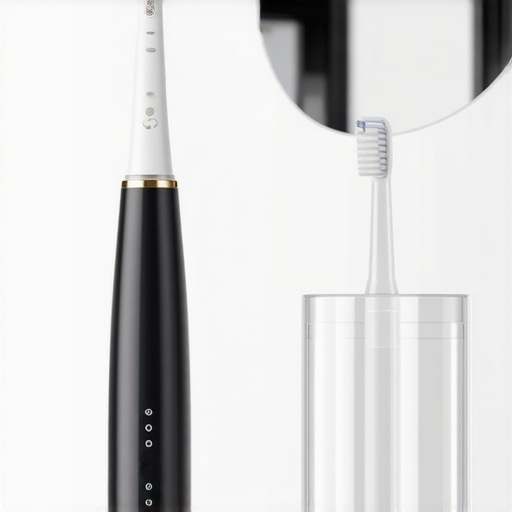
Maintenance is a marathon, not a sprint. For our crowns, the secret isn’t just brushing; it’s monitoring the bite. I check in with my family every few months to ask if anything feels ‘off’ when they wake up. If someone mentions the specific reason your crown feels tall when you wake up, we don’t wait for the next six-month cleaning; we go in for a bite adjustment immediately. This proactive approach is one of those family dentistry secrets maintaining oral health with modern techniques that saves us thousands in replaced porcelain. For Invisalign, the ‘keep it working’ secret is strictly following the 22-hour-a-day rule and using a dedicated ultrasonic cleaner for the trays once a week. It removes the calcified plaque that your toothbrush leaves behind.
The 3D Scans That Are Changing Everything
Looking ahead, I see a massive shift in how we handle family dental care. We are moving away from the ‘wait and see’ model toward predictive diagnostics. This is why finding the best dentistry in culpeper va usually starts with a 3d cbct scan. Instead of a flat X-ray, these scans let us see the bone density and root orientation in three dimensions. I predict that within five years, we’ll all have ‘Dental Monitoring’ apps on our phones that use AI to scan our teeth via the camera, alerting our dentist to a failing crown or a shifting tooth before we even feel it. This is already beginning with invisalign innovations the future of family dentistry revealed, where progress is tracked remotely through a smartphone lens.
Don’t Let the Wrong Snack Ruin Your Investment
Finally, the best tool in your kit is actually your awareness of what you eat. I have a strict ‘no-go’ list for my family members who have crowns or are in the middle of Invisalign treatment. You would be shocked to learn the specific food that cracks more teeth than anything else (hint: it’s not just hard candy, it’s often the unpopped kernels in your ‘healthy’ popcorn snack). If you do have a mishap, knowing how to stop your new crown from feeling too high when you chew after an injury can save your jaw from weeks of inflammation. My advanced tip for this week: start using a pH-balancing mouth rinse after your morning coffee. It neutralizes the acid that weakens enamel and softens the cement around your crowns, ensuring your smile stays stable for the long haul.
What I Learned the Hard Way About My Kids’ Dental Milestones
Reflecting on years of dental visits with my children, a few lightbulb moments stand out that changed how I approach our family’s health. First, those jagged edges or mamelons aren’t just cosmetic; they are the mouth’s natural way of signaling a healthy, new beginning. If they don’t wear down naturally by age nine or ten, don’t ignore it—it’s often the first clinical sign that your child’s bite isn’t aligned. Second, dental anxiety is contagious, but it’s often mirrored. When I stopped stressing about a restoration feeling “too high” and just took my child in for family dentistry secrets maintaining oral health with modern techniques, their fear vanished along with mine. Lastly, always trust your gut. If a crown or an aligner feels uncomfortable, it’s better to ask for an adjustment early than to face a fracture or gum inflammation later. Professional care is a partnership, not just a service.
Tools That Earned a Permanent Spot in Our Bathroom Cabinet
I’ve moved past the generic aisles and narrowed down our routine to a few essential items that actually make a difference for a long-lasting smile. The Waterpik is non-negotiable for us now; it is the most effective way to flush out debris from crowns and orthodontic hardware where manual floss fails. I also swear by pH-neutral mouth rinses, which prevent morning coffee or acidic juices from eroding the enamel we work so hard to protect. For those of us using clear aligners, an ultrasonic cleaner is a total game-changer for the best way to clean your retainers without using harsh chemicals. Finally, we keep a digital folder of my kids’ 3D dental scans; having a baseline makes it much easier to spot if their teeth are shifting unexpectedly later in life.
Start Building a Smile That Lasts Decades
Taking charge of your child’s dental journey can feel overwhelming, but remember that every small habit adds up over time. Whether you are navigating the first set of permanent teeth or looking into how invisalign transforms family dentistry in 2025, the goal is always a functional, pain-free smile. Don’t be afraid to ask the “silly” questions or request a 3D scan during your next visit to finding the best dentistry in culpeper va to get the full picture of your oral health. Your proactive care today is the foundation for their confidence and health for the next sixty years. It is a marathon, but one that is well worth the effort for your entire family. Have you ever noticed those jagged ridges on your child’s teeth and wondered if they were normal? Let me know your experiences or questions in the comments below!