
Why your dental implant crown feels different than your natural teeth
I spent weeks staring at the calendar, counting down the days until my final crown placement. I truly thought the second that porcelain clicked into place, I’d be back to my old self, biting into apples without a second thought. But when I finally walked out of the clinic and had my first meal, it felt… alien. It wasn’t painful, but it felt like I had a piece of hardware in my mouth rather than a living part of my body. It was a duller sensation, a different ‘clink’ when I chewed, and for a moment, I panicked thinking something was wrong. If you’ve ever noticed that your new dental implant makes a clicking sound when you talk or just feels ‘off,’ you aren’t alone. You’re just experiencing the reality of titanium meeting bone. Today, we’re going to look at why that sensation happens and how to tell the difference between a normal adjustment and a fit issue.
Stop Comparing Titanium to Your Periodontal Ligament
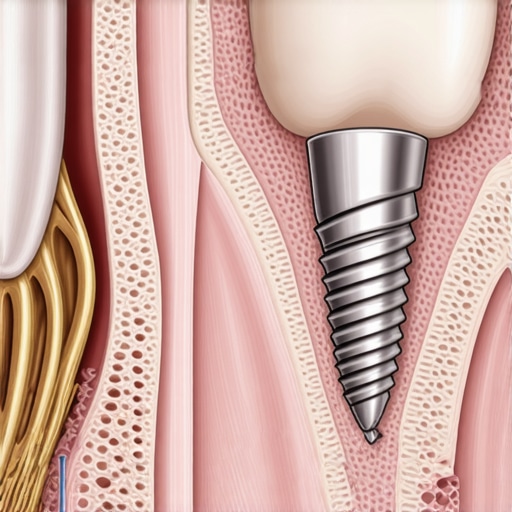
I made a huge mistake early on by expecting my implant to behave exactly like my natural molars. I kept poking at it with my tongue, convinced it was loose. The truth is, natural teeth are surrounded by the periodontal ligament (PDL), a tiny shock absorber full of nerves that tell your brain exactly how hard you are biting. Implants don’t have this. They use osseointegration, meaning the post is fused directly to your jawbone. According to the American Academy of Implant Dentistry, because there is no ligament, you lose those ‘mechanoreceptors,’ which is why the tooth can feel ‘dead’ or mechanical. Sometimes, you might even notice that your dental implant area feels cold when you drink water because titanium conducts temperature differently than natural dentin. This lack of a cushion means every bite sends vibrations directly into your bone, which can be a jarring transition for your nervous system.
Is This Mechanical Feeling Actually Permanent?
A common fear I hear from people is that they’ve wasted thousands of dollars on a tooth that will always feel like a pebble. In my experience, the ‘imposter’ feeling usually fades as your brain undergoes a process called neuroplasticity—it eventually learns to ignore the different tactile feedback. However, if you feel like the tooth is physically in the way, you might need to learn how to stop your new crown from feeling too high when you chew, because a crown that is even a fraction of a millimeter too tall can throw your whole bite off. Have you noticed a specific ‘thud’ or a hollow sound when you eat certain foods? Let me know in the comments, because that specific feedback is usually the first sign your brain is trying to map out its new resident. It’s a weird journey, but knowing the ‘why’ makes the transition so much easier.
Test Your Bite Before It Tests Your Sanity
The first thing you must master is the ‘Tap-Tap’ audit. Because your new implant doesn’t have the nerves of a natural tooth, your brain relies entirely on the impact force to tell it where that tooth is in space. If the alignment is off by even the width of a hair, you will feel a jarring sensation in your skull. I remember sitting at a friend’s wedding reception, terrified to eat the medium-rare steak because every bite felt like a tiny hammer hitting my jawbone. I was convinced the implant was failing, but the reality was much simpler: the crown was just a fraction too tall. You need to know how to stop your new crown from feeling too high when you chew before you develop a habit of grinding your teeth to avoid the discomfort. If you feel a sharp ‘thud’ rather than a soft contact, or if you find yourself researching what to do when your crown feels taller than your other teeth, it is time for a professional recalibration. Do not try to ‘break it in’ like a pair of shoes; titanium and porcelain do not soften over time.
Identify the Source of the Hollow Sound
If you notice a different acoustic when you eat, don’t panic. A natural tooth is like a solid wood block, while an implant is more like a tuning fork. When you tap it, the sound is often higher-pitched or ‘hollow.’ This is simply the sound of metal conducting vibration through your bone. However, if this sound is accompanied by a gap where food gets stuck, you need to master the move to stop a crown from trapping food every time you eat steak. Gaps between the crown and the gumline can lead to ‘peri-implantitis,’ which is the implant version of gum disease. If you feel a weird sensation when drinking, remember that why your dental implant area feels cold when you drink ice water is usually just the thermal conductivity of the titanium post, not a sign of a cavity.
Clean Like a Pro to Avoid Inflammation
Maintenance is where most people fail because they treat an implant exactly like a tooth. You cannot just ‘brush and go.’ You need a dedicated strategy to keep the interface between the metal and your tissue pristine. This is why learning the best way to clean around a dental implant bridge to avoid inflammation is non-negotiable. Use an interproximal brush or a water flosser to clear out the ‘dead zones’ where a standard toothbrush cannot reach. If you ignore this, you might eventually wonder why your crown feels sensitive to cold months after it was placed, which is often actually the surrounding gum tissue reacting to bacteria, not the tooth itself. Consistency here is the only way to turn that ‘hardware’ feeling into a seamless part of your smile.But here is the contrarian truth most clinics won’t tell you: getting the restoration is only 40% of the battle. Most people assume that once the porcelain is bonded or the aligners are in, the hard work is over. In reality, your mouth is a dynamic, shifting environment. I often see patients who believe a crown acts as a protective shield for the underlying tooth, assuming it’s now invincible. This is a dangerous trap. While the ceramic won’t decay, the margins where it meets your natural gumline are highly vulnerable. If you aren’t choosing the right crown: expert advice for long-lasting results means understanding that your hygiene must actually *improve* after the procedure, not stay the same. Have you ever fallen into this trap of thinking your dental work was maintenance-free? Let me know in the comments.
Your Crown Isn’t a Shield, It’s a Precision Instrument
The biggest ‘oops’ factor I encounter is the use of trending, abrasive toothpastes on high-end restorations. Many patients try to whiten their crowns or veneers using charcoal-based products, unaware that they are essentially using sandpaper on their investment. A study published in the Journal of Dentistry confirmed that highly abrasive toothpastes can significantly increase the surface roughness of dental ceramics. This roughness doesn’t just dull the shine; it creates a microscopic playground for plaque to adhere to, which leads to the very inflammation we are trying to avoid. Before you try to brighten your smile, you must understand the truth about charcoal toothpaste and your tooth enamel and how it interacts with porcelain. If you treat your crown like a kitchen tile that needs scrubbing, you will inevitably end up back in the chair for a replacement years earlier than necessary.
Why Does My Bite Feel Taller at 6:00 AM?
This is a question that separates the beginners from the pros. If you wake up and feel like your new crown or your Invisalign trays are hitting differently than they did when you went to bed, you aren’t imagining things. This is often due to nocturnal bruxism or even slight fluid redistribution in the periodontal ligaments of your surrounding natural teeth. Understanding the specific reason your crown feels tall when you wake up can save you from a morning of anxiety. Your bite is not a static measurement; it’s a living system that reacts to stress and sleep cycles.
Stop Treating Invisalign Like a Part-Time Hobby
When it comes to clear aligners, the most common myth is that ‘cheating’ for a few hours won’t matter as long as the trays still fit. This is a fundamental misunderstanding of biological tooth movement. When you leave your trays out, the teeth don’t just stay still; they begin to ‘rebound’ toward their original positions. This creates ‘tracking’ issues where the tray looks like it fits, but it isn’t actually exerting the necessary force on the roots. This is one of the biggest Invisalign myths debunked: what you need to know today. If you find that why your Invisalign trays feel tighter on some days than others, it’s usually your body’s way of telling you that your wear-time consistency is slipping. True expertise in oral health means respecting the physics of the process—there are no shortcuts to a stable, healthy smile.Maintaining your dental work isn’t just about survival; it’s about protecting the massive ROI you’ve put into your mouth. I treat my dental hardware like a high-performance engine because, frankly, the cost of a breakdown is too high. My daily ‘maintenance bay’ involves a Waterpik—not because it’s trendy, but because it is the only way to reach the gingival sulcus around a crown without snagging the margins. According to the Journal of Clinical Periodontology, water pressure can disrupt biofilm in a way that mechanical flossing simply can’t, especially in the 3-4mm pockets that often form around restorations. If you want to transform your smile and boost your oral health confidence, you have to stop treating your bathroom like a spa and start treating it like a lab.
How do I maintain my dental investment over time?
Consistency is the boring answer, but the tool-specific answer is an ultrasonic cleaner. If you are wearing aligners or a night guard, manual scrubbing is your enemy. Those micro-scratches from a toothbrush are where bacteria hide. I use an ultrasonic bath with a non-abrasive tablet because it’s the best way to clean your retainers without using harsh chemicals that degrade the plastic. If you’re managing a more complex setup, you’ll need to master the best way to clean around a dental implant bridge to avoid inflammation, because once that tissue gets angry, the bone loss isn’t far behind. 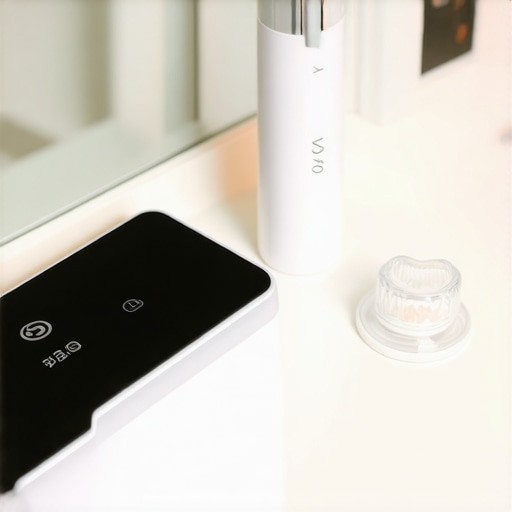
Stop Guessing with Your Gumline
I’ve also transitioned to using a high-quality electric toothbrush with a pressure sensor. Most of us brush too hard when we’re stressed, which is a disaster for crown margins. We think we’re cleaning, but we’re actually receding. Integrating family dentistry secrets for maintaining oral health means realizing that tech is there to protect us from our own bad habits. Using a sensor ensures you aren’t wearing down your porcelain-to-metal interface. Beyond the electronics, I swear by pH-balanced mouthwashes. Many drugstore brands are surprisingly acidic, which can etch the glaze on your crowns over time. Look for something that promotes a neutral environment to keep that shine as bright as the day it was placed.
What the Future Holds for Your Aligner Journey
Looking ahead, we are moving toward a world of ‘remote monitoring’ for orthodontics and restorative work. We are already seeing the rise of AI-powered scans where you take a photo of your teeth with your smartphone, and the software flags issues before they become emergencies. This is a massive shift in family dentistry trends that improve oral health for all ages. Eventually, your ‘smart’ toothbrush will probably sync with your dentist’s office to warn you about localized inflammation before you even feel a ‘throb.’ This level of data will make top oral health tips for your family’s bright smiles more personalized than ever. For now, my best advice is to start using an interproximal brush once a day—it’s the one tool that truly prevents ‘black triangles’ from forming around new work. Give it a try for one week; you’ll be shocked at what your standard brush left behind.
How I Finally Stopped My Constant Dental Anxiety
Looking back at my transition from natural teeth to a mix of porcelain and titanium, there are a few things I wish someone had leveled with me about early on. First, the mental map shift is real—your brain isn’t just healing tissue; it is literally re-coding how it perceives the physical boundaries of your mouth. It takes time for the nervous system to stop treating a crown like a foreign invader. Second, I realized that perfection is the enemy of natural results. We often want our new teeth to be perfectly symmetrical, but real beauty lies in the slight irregularities that mimic nature. Finally, I learned to trust the fourteen-day rule: I panicked on day three, but by day fourteen, I forgot the tooth was even there. Most people experience why crowns are a game-changer in restorative dentistry only after they survive that initial adjustment window and allow the soft tissues to settle around the new hardware.
Daily Gear That Protects My Dental Investment
If you want your investment to last twenty years instead of five, you need a proactive strategy rather than a reactive one. I’ve narrowed my daily routine down to four essentials that actually work. 1. A Cordless Water Flosser: Traditional floss often snags on crown margins, but water pressure gets into the gingival sulcus without causing trauma. This is essential if you want to master the best way to clean around a dental implant bridge to avoid inflammation. 2. Pressure-Sensing Tech: My electric brush flashes red when I press too hard, preventing the gum recession that exposes ugly metal margins. 3. Ultrasonic Cleaners: If you are using trays or night guards, this is the best way to clean your retainers without using harsh chemicals that could fog the plastic over time. 4. pH-Balanced Rinse: It keeps the mouth’s ecosystem stable, which is one of the top oral health tips for your family’s bright smiles.
Give Your New Smile the Respect it Deserves
At the end of the day, your mouth is the gateway to your overall systemic health. Whether you are navigating the nuances of how Invisalign transforms family dentistry in 2025 or just trying to get used to a new molar, remember that you are in control of the outcome. Technology like 3D scanning and AI-driven monitoring is making it easier than ever to stay ahead of issues, but the daily habits are what truly define your long-term success. Stay consistent, stay curious about family dentistry trends that improve oral health for all ages, and don’t let a temporary weird feeling stop you from enjoying the confidence of a healthy bite. Have you noticed your bite feels different when you’re stressed or tired? Let me know in the comments below!