
Why your tongue looks white and furry in the morning
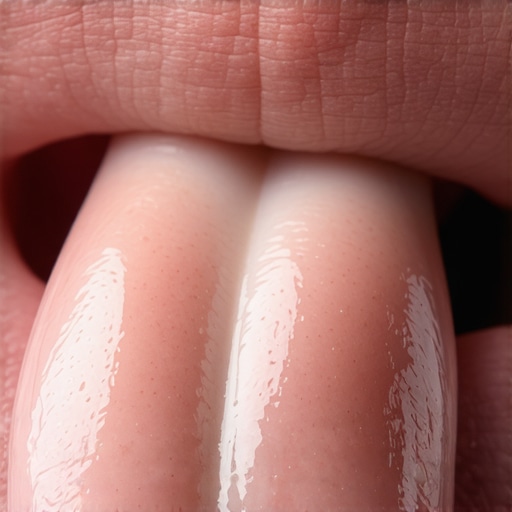
I woke up last Tuesday, took one look in the mirror, and nearly jumped. My tongue wasn’t pink; it looked like it was wearing a tiny, white, woolen sweater. It was visceral, a bit gross, and honestly, a little embarrassing. I remember thinking, “Did I forget how to use a toothbrush?” I spent ten minutes scrubbing until my mouth was sore, a classic mistake I made early on—thinking force is the same as cleanliness. But that white, furry film isn’t just “dirt” you can scrape away in a panic. It’s a signal from your body. If you’ve ever felt that sticky, thick sensation upon waking, you know exactly the frustration I’m talking about. Today, I am going to share exactly why this happens and, more importantly, how you can wake up with a mouth that actually feels fresh without the morning-after panic.
Stop Freaking Out Over That White Coating
For the longest time, I assumed a white tongue meant I was sick or that I had some rare fungal infection. I even went down a dark rabbit hole of internet forums that convinced me my oral health was doomed. In reality, that “fur” is usually just a collection of dead cells, food debris, and bacteria getting cozy between the tiny bumps on your tongue called papillae. When these bumps get slightly inflamed—due to anything from dehydration to sleeping with your mouth open—they trap stuff. It’s very similar to the sensation of why your teeth feel fuzzy even if you were diligent with your evening routine. I used to blast my mouth with the strongest alcohol-based mouthwash I could find, thinking I’d “burn” the problem away. It was a huge mistake. All I did was dry out my mouth further, making the environment even better for that white film to return the next morning. According to the American Dental Association, maintaining a balanced oral microbiome and proper saliva flow is much more effective than scorched-earth tactics.
Is This Just Permanent Bad Breath Now?
It’s the fear we all have, right? That no matter how much minty gum we chew, that white coating is a permanent sign of a deeper issue. I’ve been there, avoiding close-range conversations because I was convinced people could “see” my breath. But here is the good news: it is almost always fixable with a few simple habit shifts. Whether it’s learning how to clean your tongue without gagging or just adjusting your hydration levels before bed, you can get that healthy pink glow back. Have you ever been startled by your own reflection in the morning and wondered if you’d grown a carpet on your tongue? Drop a comment and tell me I’m not the only one! We’re in this together, and understanding the root cause is the first step toward a 2-minute habit that prevents morning breath better than any fancy store-bought rinse ever could. We need to look at what’s really happening while you sleep to stop the fuzz for good.
Start Moving Toward a Pinker Tongue Today
To get rid of that fuzzy layer, you have to treat your mouth like a self-cleaning oven that has run out of power. Saliva is your natural cleaning agent. When you sleep, your saliva production drops, which is often the reason your saliva feels thick and sticky when you first wake up. Without that constant rinse-and-spit cycle, the debris on your tongue just sits there and hardens. I used to think I could fix this by just drinking a glass of water in the morning, but the real work happens the night before and during the actual cleaning process.
Hydrate Before You Sleep to Prevent the Fuzz
Think of your mouth like a garden. If the soil (your gums and tongue) stays moist, everything stays healthy. If it dries out, the ‘weeds’—which in this case are bacteria—start to take over. I started a habit of drinking eight ounces of water exactly thirty minutes before bed. It sounds simple, but it changed the texture of my mouth by morning. If you are a mouth breather, this is even more critical. Dehydration is the number one fuel source for that white film.
Master the Art of the Scrape
When I first tried to fix my tongue, I used my toothbrush. I’d scrub so hard I’d gag, and yet, the white film wouldn’t fully disappear. The breakthrough came when I switched to a dedicated metal tongue scraper. You have to be gentle; think of it like squeegeeing a window, not sanding a floor. The first time I used one, I was horrified by what actually came off—it was a thick, opaque sludge that my toothbrush had simply been moving around. If you struggle with the sensation, you need to learn how to clean your tongue without triggering your gag reflex, which usually involves exhaling as you pull the scraper forward. 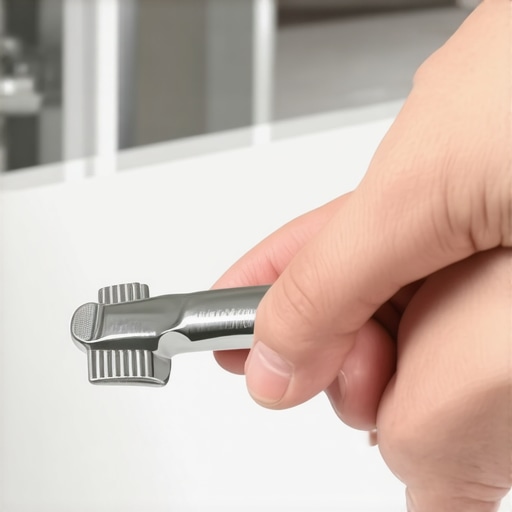
Check Your Dental Hardware
If you are currently undergoing orthodontic treatment, your tongue might be working overtime to adjust to the new objects in your mouth. For instance, knowing how to keep your breath fresh while wearing invisalign trays all day is essential because those trays can trap bacteria against your teeth and tongue. Similarly, if you wake up and notice the specific reason your crown feels tall is due to clenching, that extra pressure can cause minor inflammation in your papillae, making them more likely to trap food particles. It’s all connected. Using family dentistry secrets maintaining oral health with modern techniques at 254 pm ensures that your dental work isn’t contributing to the problem. I once had a crown that was just a hair too high, and I noticed my tongue felt ‘fuzzier’ on that side of my mouth because I was subconsciously rubbing it against the tooth all night. Once the fit was adjusted, the coating cleared up within forty-eight hours.
Your Crown Isn’t a Get Out of Jail Free Card
For years, I believed that once a tooth was covered by a crown, it was essentially invincible. I thought the porcelain shield meant I could relax my flossing routine on that specific tooth. This is a massive misconception that even seasoned dental patients fall for. While the porcelain itself can’t decay, the tiny sliver of natural tooth at the gum line is more vulnerable than ever. If you don’t master the move to stop a crown from trapping food, bacteria will migrate under that margin, leading to decay that is incredibly difficult to detect until it’s too late. In fact, a study published in the Journal of Prosthetic Dentistry emphasizes that marginal integrity is the single most important factor for long-term crown success. If that seal isn’t perfect, you’re essentially building a house on a crumbling foundation.
Why Does My Crown Still Feel Sensitive Months Later?
It’s a question that keeps many people up at night. If the nerve is still intact, your crown can remain sensitive to temperature or pressure for quite some time. Often, this isn’t a problem with the crown itself but with the alignment of your bite. I’ve seen cases where what to do when your crown feels taller than your other teeth becomes a priority because even a microscopic height difference can cause ligament inflammation. This is why why finding the best dentistry in Culpeper VA usually starts with a 3D CBCT scan; high-tech imaging ensures that the fit is precise enough to avoid these lingering aches.
The Invisible Trap Hiding in Your Aligners
If you’ve opted for clear aligners, you might think you’re escaping the ‘metal mouth’ struggles of the past. However, there is a nuance most people miss: aligners create a sealed environment that can actually accelerate tooth decay if you aren’t careful. When you put your trays back in after a quick snack without a deep clean, you are essentially bathing your teeth in acid and sugar for twenty-two hours a day. This is one of the most common invisalign myths debunked—the idea that they are ‘cleaner’ than braces. They are only as clean as your habits. 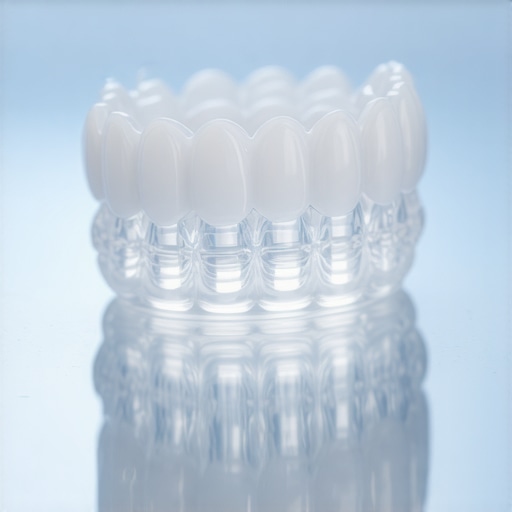
Avoid the Whitening Strip Mistake
Here is a warning I wish someone had given me years ago: never use whitening strips if you have visible fillings or crowns on your front teeth. I’ve seen people try to brighten their smile, only to realize that the whitening agent only affects natural enamel. The result? A patchy, multi-colored smile that looks worse than before. This is the danger of using whitening strips on a tooth with a filling that most DIY kits won’t mention on the box. If you’re looking for a change, why crowns are a game changer in restorative dentistry is often because they can provide that permanent brightness that strips never will. Have you ever fallen into this trap of thinking your dental work was maintenance-free? Let me know in the comments. We need to stop viewing top oral health tips as suggestions and start seeing them as the manual for keeping our expensive dental investments from failing.
Why Your Manual Brush is Failing Your Crowns
I learned the hard way that a standard toothbrush is like trying to detail a sports car with a kitchen sponge; it just doesn’t reach the crevices where it matters most. After investing in my first set of porcelain restorations, I realized that the real battle is fought at the gum line. I now swear by an electric toothbrush with a built-in pressure sensor. Why? Because I was a chronic ‘scrubber,’ and that aggressive force was actually pushing my gums away from the base of my crown. This is one of the most vital family dentistry secrets maintaining oral health with modern techniques at 254 pm that I wish I knew a decade ago. If you can see a dark line at the base of your tooth, you might already be over-brushing. Now, I let the vibrations do the work, focusing specifically on the angle where the tooth meets the gum to prevent plaque from calcifying into tartar.
How do I maintain my expensive dental work over time?
Consistency is the obvious answer, but the specific tool you use is the secret sauce. I’ve added a water flosser to my nightly routine, specifically because it’s the move to stop a crown from trapping food in those tiny gaps that physical floss sometimes misses. A study published in the Journal of Clinical Periodontology confirms that water flossing can be up to 50% more effective than traditional string floss for improving gum health around dental hardware. I use the ‘pulse’ setting because it massages the tissue, increasing blood flow and keeping the attachment tight. If you are currently in treatment, this same tool is a lifesaver for how to keep your aligners clear while drinking tea or coffee, as it flushes away the pigments before they can set. 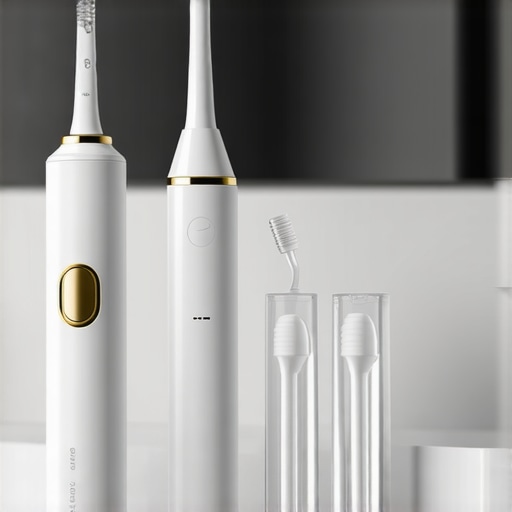
The Future of Your Smile is Digital
Looking ahead, we are moving into an era of ‘predictive dentistry.’ I’m already seeing trends where AI-connected toothbrushes sync with your phone to show exactly where you’re missing spots in real-time. This isn’t just a gimmick; it’s the ultimate way to ensure your ultimate guide to crowns for a healthier smile actually lasts the twenty years it’s supposed to. We are also seeing massive jumps in material science, where invisalign innovations the future of family dentistry revealed at 1137 am include ‘smart’ polymers that resist staining even better than current trays. My advice? Don’t wait for a problem to arise. My advanced tip for you today: buy a dedicated aligner cleaning foam instead of using toothpaste. Toothpaste contains abrasives that create microscopic scratches in the plastic, making them look cloudy and trap more bacteria. Switch to a pH-balanced foam this week and notice how much clearer your trays stay. You’ve spent the money on your smile; now it’s time to protect that investment with the right gear.
The Hard Truth About Your Tongue Health
I used to think my mouth was a battlefield where I had to kill every single bacterium to be healthy. That was my biggest mistake. Your mouth is an ecosystem, and when you treat it like a desert, the white film wins every time. I learned that scraping the tongue isn’t about punishment; it’s about maintenance. Once I stopped using alcohol-based rinses and started focusing on hydration, the white film simply stopped appearing. It’s also vital to remember that dental work isn’t set-it-and-forget-it. Following modern family dentistry trends improving oral health for all ages helped me realize that as we age, our mouth’s needs change. What worked for me at twenty didn’t work at thirty-five.
My Essential Toolkit for a Fresh Mouth
To keep my mouth feeling fresh, I’ve narrowed my toolkit down to four non-negotiables. First, a surgical-grade stainless steel tongue scraper—it doesn’t harbor bacteria like plastic ones do. Second, a high-quality water flosser, which is the only way I’ve found to truly transform your smile how crowns boost oral health confidence at 815 am by keeping those margins pristine. Third, I keep aligner-specific foam nearby; it’s a game-changer if you’re weighing invisalign vs braces which solution fits your lifestyle because it keeps the trays clear and your breath neutral. Lastly, always seek out choosing the right crown expert advice for long lasting results to ensure your restoration fits perfectly. #IMAGE_PLACEHOLDER_E#
Stop the Morning Fuzz for Good
You don’t have to wake up and immediately hide your face from your partner or the mirror. That white coating is just data; it’s your body asking for better hydration and a more intentional cleaning routine. By adopting these small habits, you aren’t just cleaning your teeth; you’re investing in your long-term confidence. Whether you are discovering the hidden benefits of invisalign for family dental care in 2025 at 903 am or just trying to maintain your natural teeth, the goal is the same: a healthy, pink, and fresh mouth. It’s never too late to start a routine that actually works for you. Have you noticed a difference in how your tongue looks since you started paying more attention to your dental hardware? Let me know in the comments!