
The move to stop your dentures from clicking when you talk

I was halfway through a toast at my daughter’s wedding when it happened—a sharp, plastic clack that echoed in the sudden silence of the room. I froze. I felt like everyone was staring at my mouth instead of listening to my heart. If you have ever felt that sudden slip or heard that rhythmic clicking while trying to enjoy a meal or a chat, you know it is more than just a sound; it is a blow to your confidence. It is frustrating, and honestly, it can make you want to stop talking altogether. I have been there, and I have made every mistake in the book, from using too much glue to avoiding hard foods like a plague. Today, I want to share the trick to making a new set of dentures feel natural so you can get your voice back. Have you ever had your teeth try to speak before you did in the middle of a serious conversation?
The Real Reason Your Teeth Won’t Stay Put
When I first got my plates, I thought they were just poorly made. I spent weeks frustrated, not realizing that my mouth was actually the thing changing. According to the American Dental Association, bone loss in the jaw begins almost immediately after teeth are removed, which means the perfect fit you had on day one starts to shift sooner than you’d think. This shrinkage creates tiny gaps where air and saliva get trapped, leading to that Morse code sound every time you open your mouth. I once made the mistake of thinking I could just ignore it, but the clicking actually led to sore spots because the denture was sliding around like a hockey puck. Learning about family dentistry trends helped me realize that modern adjustments are a normal part of the process, not a sign of failure. [image placeholder]
Is it even possible to talk without that plastic rattle?
You might be skeptical, especially if you have already tried three different brands of adhesive. I used to think I was just destined to be the guy who made noise when he chewed. But the truth is, clicking is almost always a mechanical issue related to the height of the bite or the seal of the base. It is not just about the ‘stick’; it is about the ‘fit.’ When I finally learned the move to stop your dentures from clicking while you speak, it was like a lightbulb went off. It involved retraining my muscles and getting a simple professional adjustment that I had been too proud to ask for.
Why Your Glue Is Not Fixing the Problem
Early on, I thought the solution was simply to buy the strongest adhesive on the shelf and slather it on. That was a messy, gooey disaster. Overloading the base can actually make the dentures sit too high, which is why your new dentures feel like they are pushing your lips forward. If the bite is misaligned by even a millimeter, they are going to click. You also need to be aware of other sounds, such as how to stop your dentures from making a whistling sound during conversation, which often goes hand-in-hand with clicking issues. We are going to dive into the specific muscle exercises and relining options that actually work.
Teach Your Cheeks to Hold the Line
Retraining your mouth is a lot like learning to ride a bike with training wheels that occasionally try to jump off the frame. When I first started, I spoke so fast that my dentures simply could not keep up. That ‘clack’ you hear is actually your mouth’s way of telling you that your timing is out of sync. You have to realize that the tongue is your secret anchor. By gently pressing the tip of your tongue against the back of your lower front teeth while speaking, you create a stabilizing force that prevents the lower plate from floating. It felt incredibly strange at first—like trying to talk with a marble tucked under my tongue—but eventually, it became second nature. This physical adjustment is a core part of the move to stop your dentures from clicking while you speak because it focuses on coordination rather than just gobs of adhesive.
The Tongue Anchor Technique
To master this, stand in front of a mirror and practice saying words that start with ‘S’ and ‘T.’ These are the biggest culprits for clicking. I used to recite my grocery list every morning while shaving. If I heard a click, I’d stop, reset my tongue position, and start the word over. It is about building muscle memory so your cheeks and tongue learn to hug the acrylic base. Just like how you might learn top oral health tips for your familys bright smiles, this habit requires daily consistency before it feels natural.
Check the Fit Before You Blame the Glue
If you have ever dealt with other dental hardware, you know that fit is everything. For instance, learning how to stop your new crown from feeling too high when you chew is a similar game of microns. If the height of your denture is off by even a hair, the teeth will strike each other prematurely, causing that rhythmic rattle. I remember my first attempt at a backyard BBQ after getting my new set. I thought I had the clicking under control until I bit into a piece of grilled chicken. The suction broke instantly, and I spent the next ten minutes pretending I had a sudden coughing fit just to hide the fact that I was repositioning my teeth with my tongue. That was the moment I realized that ‘soft foods’ are not just a suggestion; they are a training phase.
Chew Like a Professional
You need to bite down on both sides of your mouth simultaneously. This balances the pressure and prevents the ‘see-saw’ effect that breaks the seal. It sounds mechanical and robotic, but it keeps the plates level. If you only chew on one side, the other side will tip up, air will get underneath, and you’ll be back to making noise. This level of precision is why many people eventually look into the ultimate guide to crowns for a healthier smile or implants, as they offer a more stationary fix. However, for those of us with plates, mastering the bilateral chew is the only way to stay silent. You might even notice sensitivity at first, similar to why your dental implant area feels cold when you drink ice water 2, but your gums will toughen up as the fit improves. Don’t be afraid to cut your food into tiny, almost ridiculous pieces until your mouth learns the rhythm.That learning curve for dentures is steep, but it is actually part of a much larger misconception in modern dentistry—the idea that once a tooth is fixed or replaced, the job is done forever. I used to fall into that trap myself. I thought my dentures were a final destination, but the reality is that our mouths are constantly evolving landscapes. This is especially true when we look at Invisalign myths debunked; most people assume clear aligners are strictly for teenagers who want straight teeth for photos. In reality, modern orthodontics is about structural integrity. A study in the American Journal of Orthodontics highlights that proper alignment prevents the uneven enamel wear that leads to cracks and crowns in the first place. If your bite is off, even the most expensive dental work is just a ticking time bomb.
Stop Treating Invisalign Like a Cosmetic Luxury
Many adults shy away from aligners because they think they are being vain. However, Invisalign innovations have shown us that repositioning teeth can actually save you from a lifetime of restorative work. When your teeth are crowded, they are nearly impossible to clean, leading to the kind of decay that eventually requires a full set of plates. By the time I realized this, I was already looking at a future of adhesives and ‘clacking’ sounds. Don’t make the mistake of thinking of it as a beauty treatment—it is a preventative health measure. 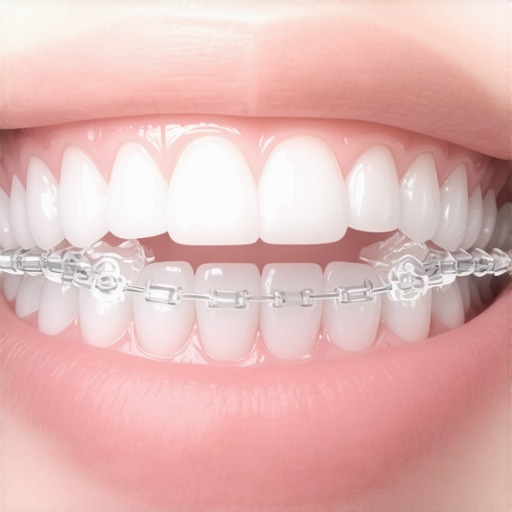
The Trap of the Maintenance-Free Dental Crown
If you have moved past aligners and already have restorations, you might think you are safe. This is a common ‘oops’ factor I see all the time. People treat a new crown like a suit of armor. They stop flossing as diligently because they think a prosthetic can’t decay. This is exactly the reason your crown smells bad when you floss around it. Bacteria still gather at the margin where the porcelain meets your natural gumline. I learned the hard way that a crown requires more precision care than a natural tooth, not less. Getting choosing the right crown expert advice early on can save you from a secondary infection that could cost you the entire root.
Why Does My Crown Still Feel Sensitive to Cold After Months?
This is the advanced question I get asked most often by those who think the procedure failed. You would expect that after the initial healing, everything would be numb. But if you are wondering why your crown feels sensitive to cold months after it was placed, it usually comes down to the nerve being slightly inflamed or a microscopic gap in the seal. It is a nuanced issue that requires a professional look, not just more sensitive toothpaste. Modern family dentistry trends prioritize preserving the nerve, so that sensitivity is actually a vital signal you shouldn’t ignore. Have you ever fallen into the trap of thinking a dental fix was ‘one and done’ only to have it surprise you later? Let me know in the comments.If you want to keep that silence and that perfect fit, you have to look beyond the basic toothbrush. I have realized that my own ‘maintenance-free’ mindset was my biggest enemy for years. I now swear by a two-tool system: an ultrasonic cleaner and a high-pressure water flosser. For those of you currently wearing aligners, you have probably noticed how they get cloudy over time. Learning how to clean the gunk out of your invisalign aligners is not just about aesthetics; it is about keeping the material from warping due to plaque buildup. I use a specific brand of ultrasonic pod—it uses 42,000Hz sound waves to shake the bacteria loose from every microscopic crevice. It is the only way I have found to stop the cycle of why your invisalign case smells even after you wash it.
How do I keep my dental work from failing after five years?
The secret to longevity is not just the quality of the initial install; it is managing the biological environment. According to a 2022 study in the Journal of Prosthetic Dentistry, ultrasonic agitation is 30% more effective at removing pathogenic biofilm from prosthetic surfaces than manual scrubbing alone. This is crucial because that biofilm is what leads to gum inflammation and eventual bone loss. I personally use a water flosser with a tapered tip to get into the gaps. It has been a game-changer for my restorations, especially when I needed to master the move to stop a crown from trapping food every time you eat steak. If you leave even a microscopic particle behind, the bacteria will do the rest of the damage for you. 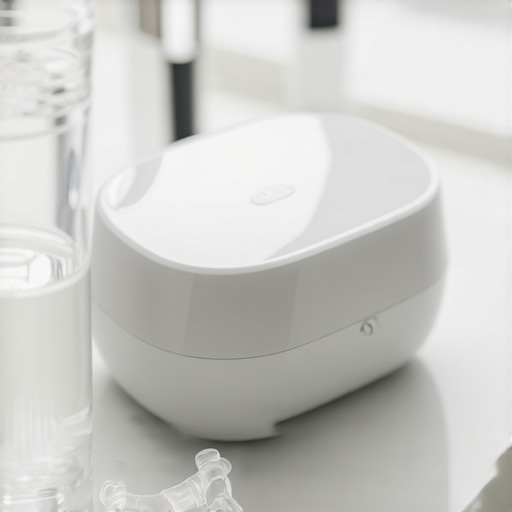
The Near Future of Spare Parts
I predict that within the next decade, we will not even need to go back to the office for simple fit adjustments. We are moving toward a world where your dentist can send you a 3D-printed reline kit or a replacement tray based on a smartphone scan of your mouth. This kind of tech is already showing up in family dentistry secrets maintaining oral health with modern techniques. We are shifting from reactive repairs to proactive ‘spare parts’ management. If you find that why your invisalign trays feel tighter on some days than others 2, it might actually be inflammation from poor hygiene rather than tooth movement. My advanced tip for today? Buy an ultrasonic cleaner for your prosthetics or aligners right now. Don’t wait for the ‘smell’ or the cloudiness to start. It is the single best investment I have made to ensure I am how to keep your breath fresh while wearing invisalign trays all day. You also need to pay attention to the best way to clean around a dental implant bridge to avoid inflammation if you have taken that step. Give that ultrasonic method a try for one week—your gums will thank you for the lack of irritation.
What I Finally Realized About the Silent Struggle of Dental Work
The biggest epiphany wasn’t about the glue; it was about the grace I had to give myself. I learned that a denture is a tool, not a natural body part, and it requires a learning curve similar to an athlete training for a new sport. I also realized that silence is a skill—mastering the move to stop your dentures from clicking while you speak is about 90% muscle memory and 10% mechanical fit. Most importantly, I discovered that modern dental tech, like the ones discussed in family dentistry secrets maintaining oral health with modern techniques, can bridge the gap between merely tolerating your smile and actually loving it again.
The Gear That Changed My Smile’s Lifespan
If I could go back in time, I would have stopped scrubbing my plates with a hard toothbrush on day one. Here are the three non-negotiables in my kit: An ultrasonic cleaner, a high-pressure water flosser, and a soft-bristled gum stimulator. I trust the ultrasonic pod because it reaches crevices no brush can touch, which is essential when you are following choosing the right crown expert advice for long-lasting results. Additionally, knowing how to clean the gunk out of your invisalign aligners properly has prevented the dreaded cloudy tray look that used to ruin my confidence in social photos.
Take Your Confidence Back from the Plastic and Porcelain
You are more than the hardware in your mouth. Whether you are dealing with the rattle of a loose plate or the sensitivity of a new restoration, remember that these are just phases in your journey toward better health. By applying top oral health tips for your familys bright smiles, you are setting a foundation that outlasts any single dental appointment. Your voice deserves to be heard without the clatter, and your food deserves to be enjoyed without the fear. Don’t let a millimeter of acrylic stand in the way of your next big laugh. Have you ever had a moment where your dentures or aligners made a noise at the worst possible time? Let me know in the comments below!