
What to do if your dental implant feels loose after eating
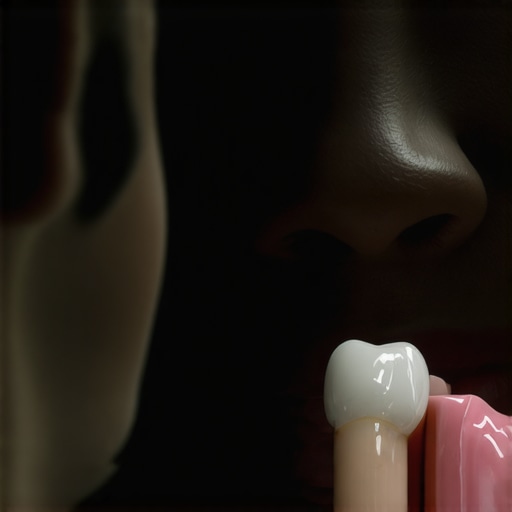
I’ll never forget the exact moment it happened: a warm Tuesday evening, a perfectly grilled steak, and a sudden, sickening shift in the back of my mouth. I’d spent months and a good chunk of my savings on my dental implant, so that tiny “give” I felt while chewing sent me straight into a cold sweat. My first instinct? I started poking it with my tongue, trying to figure out if the whole titanium post was coming out or if I was just imagining things. It turns out, that was my first big mistake. I should have just put the fork down and called my dentist immediately instead of playing “detective” with my gums. If you’ve just finished a meal and your heart is racing because something feels “off” in your smile, take a deep breath. I’ve been in that exact chair—literally and figuratively—and I’m going to help you navigate this without the frantic Googling that I did at 2 AM.
Stop Wiggling Your Tongue and Read This First
The very first thing you need to do is stop testing the looseness. I know it’s tempting. You want to know exactly how much it moves, right? But every time you nudge that implant with your tongue or finger, you risk irritating the surrounding tissue or, worse, damaging the screw that connects the pieces. When I made this mistake, I actually ended up causing more inflammation than the initial “looseness” ever would have. We need to focus on stability right now. This is a common hiccup in family dentistry trends, where more of us are opting for permanent solutions but aren’t always prepared for the maintenance phase.
In most cases, the “looseness” isn’t the implant post failing; it’s usually just the prosthetic crown or the abutment (the connector piece) coming slightly unscrewed. Think of it like a loose doorknob on a very sturdy door. Interestingly, the American Association of Oral and Maxillofacial Surgeons notes that dental implants have a success rate of up to 95% to 98%, so the odds are heavily in your favor that we can fix this without a major overhaul. Whether you are dealing with why your dental implant crown feels different than your natural teeth or a literal wiggle, the steps are the same. We are going to figure out if your “screw is loose” or if something deeper is happening with your bone health.
Is my expensive implant about to fall out forever?
That’s the fear that keeps us up at night, isn’t it? The thought of that investment literally dropping into your soup. I’ve lived through that panic, and I can tell you that “loose” rarely means “lost.” Often, it’s a simple matter of your dentist tightening a tiny screw or replacing the cement on your crown. It’s a lot like how crowns are a game-changer for restorative work; they need a bit of adjustment now and then to stay perfect. Have you ever felt that sudden “give” while eating something tough, or maybe noticed that your new dental implant makes a clicking sound when you talk? Drop a comment or reach out—I’d love to know if I’m not the only one who nearly choked on their dinner out of pure surprise.
Today, we’re going to walk through the immediate “triage” steps you should take at home and how to talk to your dentist so they take your concern seriously. We’ll look at why things shift and how to protect your investment for the next thirty years. Let’s get that smile back to being rock-solid.
Check for Pain and Swelling Without Using Your Fingers
The first step is a visual and sensory check. Look in the mirror and see if the gums are red, purple, or visibly pulling away from the metal. If you see blood or pus, that’s an immediate red flag for infection, but if it just ‘feels’ loose, you might be dealing with a simple mechanical issue. When my implant first started wiggling, I made the mistake of thinking I could ‘tighten’ it by biting down hard on a piece of gauze. Spoiler alert: that just made the surrounding teeth ache. Instead of DIY fixes, pay attention to whether you feel a sharp pinch or a dull ache. Sometimes, a loose sensation is actually just a case of how to stop your new crown from feeling too high when you chew, where the bite alignment is just slightly off, putting weird pressure on the implant. If it’s just the alignment, your dentist can shave down a microscopic layer of the porcelain to fix the balance instantly.
Keep the Area Clean Without Scrubbing Like a Maniac
When an implant is loose, there’s a tiny gap where bacteria love to hide. You need to keep it clean, but you have to be gentle. I remember grabbing my electric toothbrush and going to town on the wobbly tooth, thinking I was ‘sanitizing’ it. All I did was irritate the gums so much they started bleeding. Now I know that the safest way to use an electric toothbrush on sensitive teeth involves barely any pressure at all. Use a soft-bristled manual brush or a specialized interproximal brush to whisk away debris without disturbing the loose component. This is critical because the best way to clean around a dental implant bridge to avoid inflammation is to be thorough but incredibly light-handed. If food gets trapped in that new gap, it can cause ‘peri-implantitis,’ a localized infection that can actually threaten the bone stability.
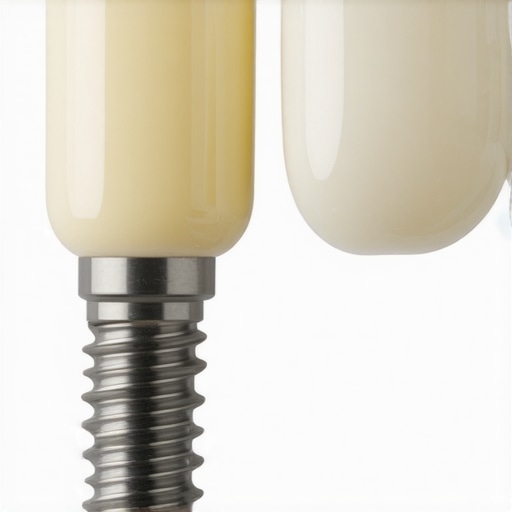
Figure Out if It’s a Loose Screw or a Bone Problem
There are three main parts to your implant: the titanium post (in the bone), the abutment (the connector), and the crown (the tooth part). In about 90% of cases, it’s just the crown or the tiny abutment screw that has loosened. It’s exactly like a loose screw in a chair leg—the chair isn’t broken; it just needs a specialized ‘screwdriver’ to be snugged back up. However, if the actual titanium post is moving within the jaw, that’s a serious issue called a lack of osseointegration. You might notice why your new dental implant makes a clicking sound when you talk, which often indicates that the metal components aren’t sitting flush against each other. If you’ve also noticed the move to stop a crown from trapping food every time you eat steak has become harder lately, the loose fit is likely creating a ‘food trap’ that your dentist needs to address before decay affects the neighboring natural teeth.
Call the Pro and Describe the Sensation Accurately
When you call your dentist, don’t just say ‘my tooth is loose.’ Be specific. Tell them if it moves when you’re talking, if it hurts to bite down, or if you can see the metal abutment peeking through the gum line. This helps them prioritize you in the schedule. If you’re unsure who to call or if you’re traveling, you can always use a contact us page to get professional advice quickly. I once waited four days to call because I thought I was overreacting, only to find out the screw was halfway out and could have been swallowed. The fix took five minutes in the chair, but the anxiety I suffered for those four days was totally unnecessary. Be proactive; the mechanical parts of an implant aren’t designed to be ‘wobbly’ for long periods without causing wear and tear on the internal metal threads, which can make the fix much more expensive if you wait.
One of the most dangerous myths I see in the world of family dentistry secrets is the ‘set and forget’ mentality. Most people believe that once a crown or an implant is in place, that tooth is ‘bulletproof’ because ceramic and titanium can’t get cavities. But let’s dig deeper: the real danger isn’t the material; it’s the lack of a ‘warning system.’ Natural teeth have nerves and ligaments that scream in pain when something is wrong. An implant doesn’t. You could have a brewing infection or a mechanical failure and not feel a thing until the structure literally shifts. This is why the reason your crown smells bad when you floss around it is often the only early warning sign you’ll get—and by then, you’re already behind the curve.
Why Your ‘Fixed’ Tooth Needs More Love Than the Natural Ones
In my experience, patients who treat their restorations like high-maintenance sports cars—rather than indestructible tanks—have the best long-term outcomes. Everyone says to brush and floss, but they rarely mention that the margin where your crown meets your gum is a microscopic shelf for bacteria. If you’ve noticed the specific reason your crown feels tall when you wake up, it might not be the crown at all, but rather inflammation in the surrounding tissue pushing the restoration slightly out of its socket. According to a study in the Journal of Oral Rehabilitation, micro-movements caused by bruxism (teeth grinding) are the leading cause of ‘screw loosening’ in implants, yet many patients skip the protective night guard because they think their ‘new tooth’ can handle the pressure. It can’t. Have you ever fallen into this trap of thinking your dental work didn’t need a night guard? Let me know in the comments.
The Invisalign Trap Most People Fall Into
When it comes to aligners, the nuance most people miss is that it’s not just a cosmetic upgrade. We often see Invisalign myths debunked focus on how long you wear them, but the real ‘oops’ factor is ignoring how crooked teeth actually cause bone loss. Crowded teeth are nearly impossible to clean perfectly, which leads to chronic inflammation. If you are debating between crowns vs veneers to fix a ‘crooked’ look, you might be masking a functional problem that aligners could actually solve at the root.
Can an Invisible Tray Actually Save Your Gums from Receding?
Surprisingly, yes. Many patients believe that moving teeth will make them looser or cause the gums to pull away. However, properly aligned teeth distribute biting forces evenly. When one tooth is ‘out of line,’ it takes more than its fair share of the hit every time you chew. This ‘occlusal trauma’ is a massive, often overlooked contributor to the reason your gums are receding despite good brushing habits. By using how Invisalign transforms family dentistry to move those teeth back into their proper ‘lanes,’ you stop the localized trauma and allow the bone to stabilize. It’s an advanced concept: we aren’t just straightening your smile for the photos; we are re-engineering your bite to prevent your body from literally rejecting its own teeth due to uneven pressure. If your dental work ever feels ‘different’ or ‘off,’ don’t wait for pain. Pain is a late-stage symptom. Reach out via a contact us page the moment the sensation changes, even if it’s just a subtle shift in how your teeth meet.
I’ve learned the hard way that the ‘brush twice a day’ advice is just the baseline for someone with restorative work. When you have a mix of natural teeth, porcelain crowns, and titanium implants, your toolkit needs an upgrade. I personally moved away from traditional string floss for my implant because I was constantly worried about the fibers snagging on the rougher surface of the metal abutment. Instead, I switched to a high-powered water flosser. It’s not just a fancy gadget; it’s the only thing that effectively flushes out the microscopic ‘biofilm’ that settles into the tiny crevice where the implant meets the gum. If you’ve been wondering about the best way to clean around a dental implant bridge to avoid inflammation, the water flosser is my non-negotiable recommendation.
Stop Relying on Traditional Floss for Your Implants
The transition to specialized tools is a major part of family dentistry trends today. We are moving toward a ‘precision care’ model. For instance, I started using an interproximal brush—those tiny little Christmas tree-shaped brushes—specifically for the gaps around my crowns. It’s much more effective at disrupting the bacteria that cause the reason your crown smells bad when you floss around it. If you aren’t clearing that area, you’re essentially leaving an open door for localized gum disease. According to a clinical study published in the International Journal of Implant Dentistry, patients who utilized a combination of mechanical brushing and oral irrigation showed a 44% higher reduction in gingival bleeding compared to those using manual floss. This isn’t just about ‘clean’ teeth; it’s about protecting the bone that holds your $4,000 investment in place.
How can you make your dental work last a lifetime?
Maintenance isn’t just about what you do at the sink; it’s about the professional ‘tune-ups’ you schedule. When I go in for my checkups, I ask my hygienist to use plastic or titanium-coated instruments rather than stainless steel on my implant. Steel can actually scratch the titanium, creating a ‘residence’ for bacteria to cling to. This level of detail is exactly why choosing the right crown expert is vital. You want a team that knows the physics of these materials. If you’re also navigating orthodontic work, knowing how to clean the gunk out of your invisalign aligners is equally critical to prevent decay on the teeth that support those crowns later on. My advanced tip for you: once a week, use a pH-balancing mouth rinse. It neutralizes the acidity in your mouth that can weaken the cement holding your crowns in place.
Digital Twins and the Future of Your Mouth
Looking ahead, the maintenance of your smile is getting a massive tech boost. I predict that within the next five years, we’ll all have ‘digital twins’ of our mouths stored in the cloud. Instead of waiting for a crown to feel ‘off,’ AI-driven software will compare your current 3D scan to last year’s to detect shifts as small as a fraction of a millimeter. We are already seeing this with Invisalign innovations that track tooth movement in real-time. This proactive approach will mean fewer emergency calls and more ‘pre-emptive’ tightening of those pesky implant screws before they ever start to wiggle. Don’t wait for a crisis; try incorporating a water flosser tonight and see how much cleaner your gums feel by morning.
The Hard Lessons I Learned About Treating My Smile Like an Investment
The most important realization I had after my implant scare was that ‘fixed’ doesn’t mean ‘invincible.’ While your titanium post won’t decay, the bone and gums supporting it are living tissues that react to every bite. I’ve learned that the biggest mistake is waiting for pain. Because implants lack the nerves of natural teeth, your first sign of trouble isn’t an ache—it’s a subtle change in texture or a tiny ‘click.’ Embracing family dentistry secrets means becoming an active observer of your own mouth. You are the only person who can feel if your dental implant crown feels different than the rest of your teeth, so trust that intuition. If it feels weird, it probably is.
The Daily Arsenal That Keeps My Restorations Rock Solid
I don’t just ‘brush and pray’ anymore. My toolkit is specific and non-negotiable. First, the high-powered water flosser is my best friend; it reaches the depths where the best way to clean around a dental implant bridge to avoid inflammation becomes a reality. Second, I only trust my smile to specialists who understand the specific mechanics of titanium—choosing the right crown expert is the difference between a restoration that lasts ten years and one that lasts forty. Finally, I’ve added a pH-neutralizing rinse to my routine to stop the acidic erosion that can weaken even the strongest dental cements. These aren’t just gadgets; they are insurance for my confidence. #IMAGE_PLACEHOLDER_E#
Stop Waiting for the Wiggle to Take Action
If you’re reading this because you’re worried about a loose tooth or a shifting aligner, remember that proactive care is always cheaper and less painful than emergency surgery. Whether you’re exploring the hidden benefits of Invisalign to correct a bite that’s putting too much pressure on an implant, or you just need a professional to tighten a screw, the first step is to pick up the phone. Your dental health is a marathon, not a sprint. Don’t let a small mechanical issue turn into a long-term problem like the reason your gums are receding despite good brushing habits. Reach out through a contact us page today and get the peace of mind you deserve. Have you ever felt a sudden ‘shift’ in your dental work that made you panic? Share your story in the comments below!