
Why your teeth look yellow even though you brush twice a day
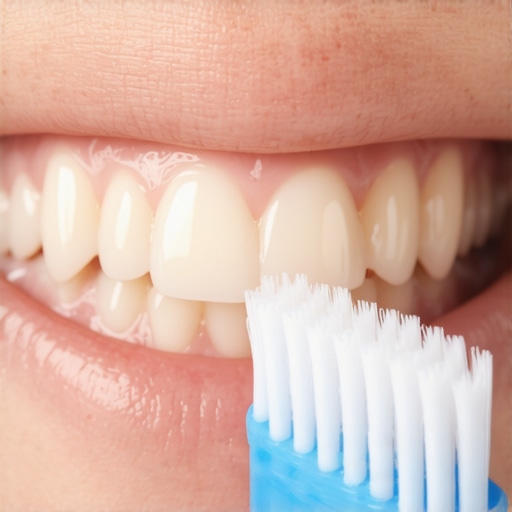
I stood there, staring into the medicine cabinet mirror, wondering if I’d accidentally bought yellow-tinted lightbulbs. I’d just spent a solid two minutes—plus the extra thirty seconds I always add for good measure—scrubbing away with the latest whitening paste. Yet, my smile still looked more like a weathered piano key than a Hollywood star. It felt like a personal betrayal. I was the guy who never missed a brush, the one who always followed the top oral health tips for your familys bright smiles. If I was doing the work, why wasn’t I seeing the results? I felt like no matter how much I cleaned, that stubborn tint remained. Today, we are going to solve this mystery once and for all. We’ll look at why your enamel might be betraying you and how to actually brighten your smile without causing permanent damage.
The Frustrating Reality of Enamel and What Lies Beneath
For a long time, I thought yellow meant dirty. I was wrong. I spent years aggressively brushing, thinking that if I just pressed harder, I’d eventually hit a layer of pure snow. In reality, I was making it worse. You see, the outer layer of your tooth, the enamel, is naturally a bluish-white, but it’s also translucent. Right underneath it sits the dentin, which is naturally yellowish. My big mistake? I was brushing so hard that I was thinning my enamel, literally revealing the yellow dentin underneath. It’s a classic case of trying too hard and getting the opposite result. According to the American Dental Association, enamel is the hardest tissue in the human body, but it doesn’t grow back once it’s worn away by over-brushing or acidic foods. If you’ve ever felt like your teeth feel fuzzy even after you just brushed them thoroughly, you might be dealing with surface issues that no amount of scrubbing will solve.
Can you actually get white teeth without ruining them?
This is where most of us get stuck. We see the charcoal trends and the high-acid DIY kits and think that’s the only way to fix a dull smile. But I’ve learned that protecting what you have is way more important than bleaching it into oblivion. We’re going to look at the lifestyle habits—like that afternoon iced coffee—that sneakily stain your smile, and how to pivot your routine to actually brighten things up safely. Have you ever looked in the mirror after a perfect dental routine and felt like your hard work just wasn’t showing up? Drop a comment because I have been exactly where you are. We need to talk about the truth about charcoal toothpaste and your tooth enamel before you try another viral hack. I want to show you how to safely whiten teeth if you have naturally thin enamel so you don’t end up with the sensitivity issues I struggled with for months. It’s not just about the brush; it’s about the chemistry of your mouth and the physics of your enamel.
Stop Scrubbing and Start Rinsing Safely
I learned the hard way that brute force is the absolute enemy of a bright smile. I remember a specific Tuesday after a dinner party where I noticed my teeth looked a dull shade of purple from a few glasses of Malbec. I panicked, grabbed my firmest-bristled brush, and scrubbed until my gums were raw and bleeding. It didn’t even help; the stain seemed deeper, and my mouth was sore for three days. I eventually discovered the trick to getting red wine off your teeth without ruining the enamel is actually a simple water rinse followed by a thirty-minute wait before you even touch a toothbrush. Think of your enamel like the clear coat on a high-end car; if you use a grit-heavy sponge while the surface is acidic, you’re just scratching the finish. This same logic applies to your morning caffeine habit. If you are wondering why your teeth hurt every time you drink iced coffee, it’s likely because the cold temperature combined with the high acidity is temporarily softening your enamel, and your aggressive brushing is doing the rest of the damage. 
How to Whiten Without the Burn
You have to be incredibly skeptical of the ‘kitchen cupboard’ remedies that dominate social media. I’ve seen people swear by high-abrasion pastes, but the truth about using baking soda to whiten your teeth is that it’s essentially sandpaper for your mouth. If you use it daily, you might see a brighter white for a week, but you’ll be left with a permanent yellow tint once that top layer is sanded away to reveal the dentin underneath. Instead of abrasion, I shifted my focus to oxygen-based cleaners or professional-grade gels that lift stains without the friction. If you already deal with sensitivity, you must learn how to safely whiten teeth if you have naturally thin enamel by using lower concentrations of carbamide peroxide over a longer period of time. It is a marathon, not a sprint, and your gums will thank you for the patience.
Straighten Your Way to a Healthier Smile
Sometimes the perceived ‘yellow’ isn’t just about food stains; it is about shadows and plaque buildup caused by alignment. When teeth are crowded, they create dark, recessed areas that are nearly impossible to keep bright, no matter how much you floss. This is where the debate of invisalign vs braces which solution fits your lifestyle becomes a major part of the whitening conversation. Straighter teeth reflect light more evenly, which naturally makes them look shades whiter without any chemical intervention. Furthermore, it is much simpler to maintain hygiene when you can just pop out a tray. I found it was far easier to learn how to clean the gunk out of your invisalign aligners than it was to spend twenty minutes picking steak out of metal brackets. If your enamel is already heavily compromised or a tooth is structurally weak, following the ultimate guide to crowns for a healthier smile might be your best path. A crown can provide a perfectly white, uniform appearance while protecting what is left of your natural tooth structure from further decay.
Why Your Crown Isn’t a Permanent Shield Against Decay
I often hear patients say they feel ‘safe’ once a tooth is capped. It’s a dangerous assumption. Most people believe a crown is a ‘set it and forget it’ solution, but the reality is that the margin—the tiny seam where the crown meets your natural gum line—is a magnet for bacteria. If you don’t maintain it, you’ll soon find the reason your crown smells bad when you floss around it is actually localized decay. I’ve seen countless cases where a patient ignored a slight ‘tall’ feeling in their bite, only to realize months later that the uneven pressure was cracking the underlying tooth. Learning how to stop your new crown from feeling too high when you chew isn’t just about comfort; it is about preventing a total structural failure.
Is Invisalign actually better for your long-term gum health than braces?
Beyond the aesthetics, the hidden nuance of clear aligners is their impact on your periodontal status. A common myth is that aligners are ‘weaker’ than metal, but for family oral health, they offer a massive clinical advantage: hygiene access. A study published in the Journal of Periodontology found that patients using clear aligners showed significantly lower levels of plaque and gingival inflammation compared to those with traditional metal brackets. This is because you can actually clean the tooth surface properly. When you look at invisalign myths debunked what you need to know today, the biggest takeaway isn’t just a straighter smile; it’s the prevention of the ‘fuzzy’ tooth feeling that leads to gum recession. 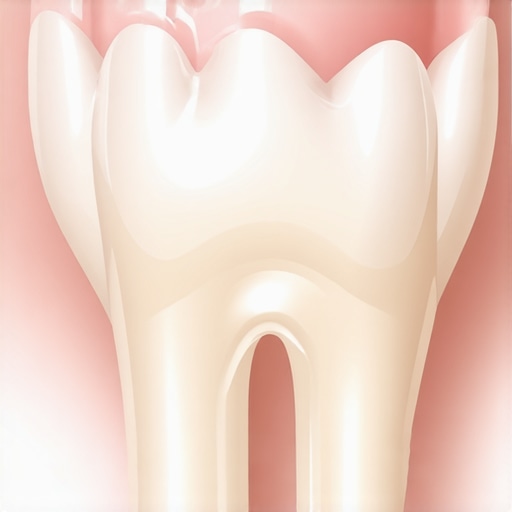
The Trap of Ignoring Minor Alignment Shifts
Here is a nuance most people miss: minor crowding isn’t just a cosmetic ‘oops’; it’s a functional trap. When teeth overlap, even slightly, they create ‘biofilm bunkers’ that no toothbrush can reach. This is how invisalign transforms family dentistry in 2025—by acting as a preventative tool rather than just a cosmetic one. If you have been told your ‘slight’ crowding is fine to ignore, you might be setting yourself up for expensive restorative work later. In my experience, why crowns are a game changer in restorative dentistry often boils down to fixing damage that could have been prevented by simple alignment five years earlier. Have you ever fallen into the trap of thinking a dental fix was ‘just for looks’ only to have it become a health necessity later? Let me know in the comments. Whether you are choosing the right crown expert advice for long lasting results or considering aligners, remember that the best dentistry is the kind that protects your natural enamel from future interventions.
The Gadgets That Actually Saved My Gums
It’s one thing to get the work done; it’s another to keep it working. I’ve realized that my ‘kit’ matters as much as the surgery or the trays themselves. For instance, I ditched manual flossing for a high-end water flosser. Why? Because manual flossing with tight contacts often leads to shreds of wax stuck between teeth. If you’ve ever wondered how to get a piece of meat out of a back tooth gap, you know the struggle. I use the Waterpik Aquarius specifically because of the pulsed water technology which massages the gums while cleaning. It’s the only way I’ve found to consistently how to prevent bad breath when you are wearing a retainer without tearing up my gingiva. This is part of the family dentistry secrets maintaining oral health with modern techniques at 254 pm that most people overlook because they are stuck in the manual-brushing past. I’ve also noticed that for those with restorative work, traditional floss can catch on the edges of a crown, whereas a pressurized stream of water clears the area safely without risk of dislodging the adhesive.
How do I keep my smile looking sharp for the long haul?
Maintenance is about more than just a quick scrub before bed. If you have crowns or Invisalign, you have to be vigilant about the ‘bio-mechanical’ fit. I’ve started using a high-resolution dental mirror at home to check my own margins. It sounds overkill until you realize that the 2-minute habit that prevents morning breath better than mouthwash isn’t just about smell—it’s about removing the plaque that targets the base of your crown. If you are a tea drinker like me, you need to know how to keep your aligners clear while drinking tea so you don’t end up with a dingy-looking smile midway through your treatment. This long-term care prevents that dreaded sensitivity and ensures the investment you made in your smile stays pristine.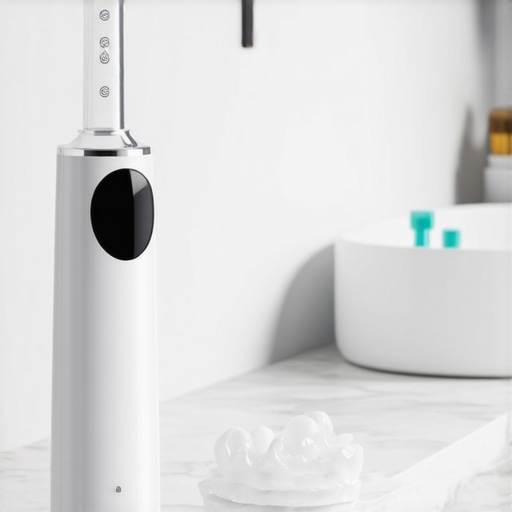
The Future of Keeping Teeth
Looking forward, I predict we are moving toward a ‘smart’ dental era. We already see invisalign innovations the future of family dentistry revealed at 1137 am involving remote monitoring apps that scan your teeth via smartphone. According to technical documentation for the iTero Element 5D scanner, near-infrared imaging (NIRI) technology can now detect interproximal caries—cavities between teeth—without a single drop of radiation. This means we are entering a phase where family dentistry trends improving oral health for all ages will focus on catching issues before they even require a drill. If you want to stay ahead of the curve, I highly recommend asking your dentist if they use AI-assisted diagnostic software like Pearl, which helps identify sub-millimeter changes in bone density and enamel.There is also a psychological shift that happens when you stop seeing the dentist as a ‘fixer’ and start seeing them as a partner in performance. Much like a high-performance athlete has a coach to prevent injury, your dentist uses these tools to prevent structural collapse. When you look into why crowns are a game changer in restorative dentistry, you realize they are often the last line of defense. Stop waiting for your next check-up to take control. My biggest piece of advice? Grab a dedicated sonic cleaner for your dental appliances. Whether it’s a night guard or an aligner, the best way to clean your retainers without using harsh chemicals is through ultrasonic vibrations that shake loose the bacteria you can’t see. It’s a game changer for keeping everything fresh and clear.
Lessons My Mirror Taught Me About True Dental Health
After years of trial and error, I realized that oral health isn’t about the intensity of a single scrubbing session; it’s about the cumulative effect of small, smart choices. One of the biggest shifts for me was recognizing the hidden benefits of invisalign for family dental care in 2025 at 903 am—it wasn’t just about straight teeth, but about making those teeth easier to defend against decay. I also learned that choosing the right crown expert advice for long lasting results is the difference between a fix that lasts five years and one that lasts twenty. Most importantly, I stopped chasing ‘fluorescent white’ and started chasing ‘structural integrity.’ When your enamel is healthy, the light reflects naturally, giving you a glow that no chemical can mimic.
My Personal Arsenal for Protecting Enamel Every Day
If you want to move beyond the basics, you need a toolkit that works with your biology rather than against it. I personally swear by an ultrasonic cleaner for any removable appliances—it’s hands down the best way to keep things hygienic. I also keep a close eye on family dentistry trends improving oral health for all ages to see how new tech can simplify my daily routine. When I needed restorative work, I focused on transform your smile how crowns boost oral health confidence at 815 am, ensuring I understood the ‘why’ behind the procedure. My toolkit isn’t just physical gadgets; it’s the knowledge of when to brush and when to just rinse and wait. #IMAGE_PLACEHOLDER_E#
Your Smile Is an Investment Worth Protecting
It is easy to feel overwhelmed by the gadgets and the jargon, but your journey to better oral health starts with the very next thing you put in your mouth. Whether you are currently deciding between crowns vs veneers which is better for your smile cure at 429 pm or just trying to find a better flossing rhythm, remember that your teeth are meant to last a lifetime. Don’t ignore the small signals your body sends you. If you’re ever unsure about a sensation, knowing how to tell if that dull ache is a cavity or sinus pressure can save you a lot of unnecessary stress. Take it one day at a time, be gentle with your enamel, and your smile will thank you for years to come.
Have you ever had a moment where you realized your ‘healthy’ habits were actually doing more harm than good? Let me know in the comments below!