
How to get a piece of meat out of a back tooth gap
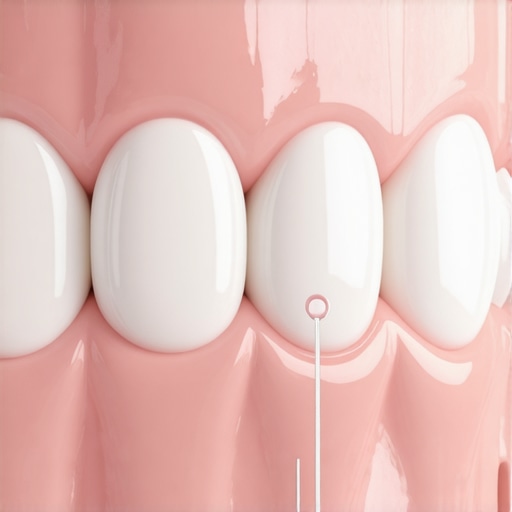
I’ll never forget the night a single bite of medium-rare sirloin turned my anniversary dinner into a silent, throbbing nightmare. There I was, trying to maintain a conversation while my entire focus was laser-beamed onto the gap between my two back molars. I’ve been there—we all have. That frantic, desperate feeling where your tongue becomes an amateur gymnast, trying every possible angle to dislodge that one stubborn fiber. It’s not just a nuisance; it’s a physical obsession that makes you want to excuse yourself from the table and never come back. Today, I’m going to share the exact methods I’ve learned—often the hard way—to clear that gap safely. We aren’t just talking about grabbing a toothpick and hoping for the best. We are going to look at why this happens and how you can reclaim your comfort without causing a gum infection or a dental emergency.
Stop Poking Around Before You Cause Real Damage
Before you reach for the nearest sharp object, let’s talk about the mistake I made back in my twenties. I was so frustrated with a piece of brisket that I actually tried to use the corner of a folded, glossy business card. It didn’t work, and I ended up with bleeding gums that throbbed for three days. Learning how to get rid of the dirty feeling on your teeth starts with patience, not sheer force. If you have a restoration, you might find this happens more often than you’d like; I’ve spent plenty of time researching the move to stop a crown from trapping food every time you eat steak, and the first rule is always the same: don’t force it. According to the Journal of Periodontology, leaving food debris trapped against the gingival tissue for too long can actually trigger localized inflammation and the beginning of a pocket within just 24 to 48 hours. It’s a race against the clock, but one you need to run smartly. Using the wrong tool can push the meat deeper, making a simple problem much worse.
Is a specific strategy for stuck food actually worth the effort?
You might think this is overkill. You might say, “It’s just meat, it’ll come out eventually, right?” Well, not always. If you have tightly crowded teeth, that piece of protein can act like a wedge, slowly pushing your teeth apart and causing a significant, deep-seated ache. I’ve had readers tell me they’ve spent hours in front of a mirror until their gums were raw and swollen. Have you ever been so desperate to clear a tooth gap that you almost reached for a sewing needle or a paperclip? Tell me I’m not the only one who has faced this dinner-table crisis! We need to move beyond the “poke and hope” method. Whether you are dealing with natural teeth or even cleaning around a dental implant bridge, the tools you use matter. In the next section, I’m going to walk you through the tie-a-knot trick and explain why a high-quality water flosser might be your new best friend for those deep molar gaps.
Tie a Knot to Create an Emergency Scraper
One trick I swear by involves a simple piece of waxed floss and a bit of physics. If you are dealing with tightly crowded teeth, standard sliding often isn’t enough to grab a slippery fiber of beef. You need more surface area to create friction. Tie a small, simple knot—maybe even two—in the middle of your floss strand. When you guide the floss into the gap, make sure the knot stays on the outside initially. Once the floss is seated near the gum line, pull the knotted section through the gap horizontally. The knot acts like a tiny hook or a shovel, snagging the meat and dragging it out rather than just sliding past it. I’ll never forget doing this in a cramped bathroom at my sister’s engagement party. I had a piece of prosciutto that felt like it was fused to my jawbone. I didn’t have a water flosser handy, so I tied three knots in a row. On the second pass, the ‘saw’ effect worked, and the relief was so sudden I actually gasped. This is one of those family dentistry secrets that keeps you from needing an emergency appointment on a Saturday night.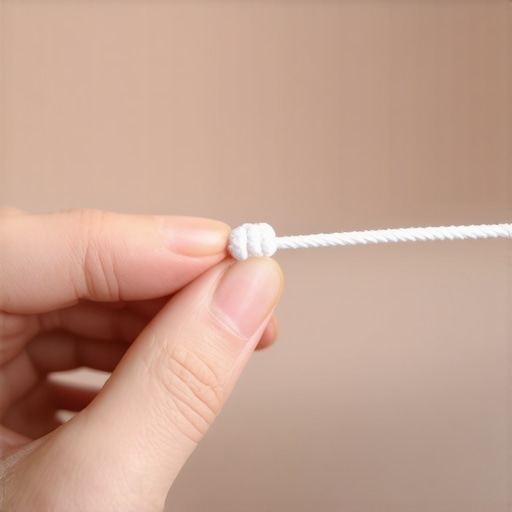
Flush It Out Without the Bleeding
If the knot trick fails, stop. Pushing harder with physical string is how people end up searching for the safest way to remove a popcorn kernel stuck deep in your gums. Instead, grab a water flosser. Think of it as a power washer for your mouth. Lean over the sink, set the device to a medium-high pulse, and aim the tip directly into the interdental space from both the cheek side and the tongue side. The goal is to create enough hydraulic pressure to wiggle the fiber loose without scraping the soft tissue. If you are on the go, even swishing vigorously with warm salt water can sometimes provide enough movement to shift the debris.
Protect Your Crowns from Aggressive Cleaning
If you have a bridge or a crown, the rules change entirely. You cannot just ‘pop’ the floss down vertically because you might catch the edge of the restoration. Finding the easiest way to get sticky food out from under a dental bridge usually involves a combination of high-pressure water and specialized floss threaders. Be incredibly gentle; many patients wonder why your gums feel sore after getting a new dental crown, and it is often due to aggressive poking that damages the delicate seal between the prosthetic and the natural gum line. Use a ‘shoe-shine’ motion—side to side—rather than up and down to avoid lifting the margin of your dental work.
Your Crown Isn’t a Shield Against Cavities
One of the biggest misconceptions I encounter—and I’ll admit, I used to believe this too—is that a tooth with a crown is “finished.” We think that because the porcelain covers the structure, it’s invincible. In reality, the most vulnerable part of your tooth is now the tiny seam where the crown meets your natural gum line. This is why choosing the right crown expert advice for long-lasting results is so vital; if that margin isn’t perfect, it becomes a magnet for microscopic debris. According to a study published in the International Journal of Dentistry, the “biological width” around restorations is extremely sensitive to plaque accumulation, which can lead to recession or “recurrent decay” underneath the expensive porcelain. Don’t fall into the trap of thinking you can slack off on hygiene just because you have a restorative masterpiece in your mouth.
Can your bite actually change overnight during treatment?
If you are using clear aligners, you might notice your teeth feel “loose” or your bite feels slightly “off” when you wake up. This isn’t your imagination. When discussing how Invisalign transforms family dentistry in 2025, we have to talk about the nuance of bone remodeling. Your teeth are literally being held in a state of controlled inflammation to allow them to move. However, a common mistake is skipping the deep clean of the trays. I’ve seen patients who wondered why your Invisalign case smells even after you wash it, only to realize they were trapping bacteria against their teeth for 22 hours a day, which actually softens the enamel further. 
Stop Treating Your Aligners Like They Are Indestructible
Another “oops” factor involves what you drink. Everyone knows to avoid red wine, but many think white tea or light-colored sodas are safe. They aren’t. Not only can the heat warp the plastic, but the liquid seeps into the tray and sits against your teeth, creating a sugar bath. I always point people toward invisalign myths debunked what you need to know today to clarify that anything other than cool water is a risk. I once had a reader tell me they drank “clear” vitamin water all day with their trays in, only to end up with three new cavities at their next checkup. It’s a sophisticated trap because the trays look clean, but the damage is happening underneath. Whether you are comparing invisalign vs braces which solution fits your lifestyle or already mid-treatment, remember that the “freedom” of aligners comes with the responsibility of hyper-vigilance. Have you ever fallen into this trap of thinking a “clear” drink was safe? Let me know in the comments!
It’s one thing to get the food out, but quite another to keep your mouth from becoming a recurring crime scene of inflammation. I’ve found that the real game-changer for long-term crown stability isn’t actually floss—it’s the interdental brush. If you’ve been following top oral health tips for your familys bright smiles, you know that standard flossing is the baseline. But for those of us with bridges or tight molar gaps, those tiny, wire-bristled brushes are the only things that truly disrupt the biofilm. A study in the Journal of Clinical Periodontology found that interdental brushes are significantly more effective at removing plaque than floss alone, especially in wider spaces or around restorations. I use the size-coded TePe brushes because they don’t have that ‘snap’ factor that can make you worry why your crown feels sensitive to cold months after it was placed. If you feel a ‘tug’ with floss, you might be pulling on the margin of your crown; a side-entry brush eliminates that risk entirely.
How do I keep my dental work in peak condition for years?
Maintenance isn’t just about the teeth; it’s about the hardware. If you’re wearing aligners, stop using toothpaste to scrub them. The abrasives in toothpaste create microscopic scratches that harbor bacteria, which is how to keep your aligners clear while drinking tea becomes an impossible task—the stains just sink into the scratches. I switched to using specialized cleaning crystals or even a simple ultrasonic cleaner. You can find the best way to clean your retainers without using harsh chemicals by looking at the pH-balanced solutions specifically designed for medical-grade plastics. #IMAGE_PLACE_HOLDER_D# I predict that by 2030, we won’t even be ‘guessing’ if we cleaned well enough. We are already seeing the invisalign innovations the future of family dentistry revealed at 1137 am moving toward AI-integrated apps that use your phone’s camera to scan for plaque buildup in real-time. We’re moving from ‘reactive’ dentistry to ‘predictive’ maintenance. Before we wrap up this guide, I want you to try one thing tonight: instead of flossing from the top down between your tightest teeth, try an interdental brush from the side. You’ll be shocked at what the floss was leaving behind.
The Hardest Lesson I Learned About My Persistent Food Traps
I used to think my teeth were just naturally ‘hungry’ for steak fibers, but I eventually realized that a recurring food trap is often a quiet signal from your body that a contact point has shifted. After years of dealing with this, here are the lightbulb moments that changed everything for me:
- Tightness doesn’t always equal health. Just because your teeth feel crowded doesn’t mean they are protected; in fact, the best strategy for flossing when your teeth are tightly crowded involves precision and the right angles, not just brute force.
- The ‘puffy gum’ warning. If your gums bleed every time you finally dislodge that piece of beef, it’s usually not the meat itself causing the immediate blood—it’s the pre-existing inflammation. I discovered that the hidden reason your gums bleed even if you floss daily is often the microscopic biofilm left behind by standard string that didn’t quite reach the corners.
- Restorations are more vulnerable than they look. My biggest mistake was assuming my crown was a shield. I had to learn that choosing the right crown expert advice for long-lasting results means checking the ‘seal’ at the gum line regularly to ensure food isn’t wedging into a tiny gap.
The Tools That Actually Saved My Smile
You don’t need a drawer full of gadgets, but you do need the right ones for your specific anatomy. If you want to maintain your investment, these are the three things I never travel without:
- A Portable Water Flosser: This is the only way to safely clear debris from under a bridge or around a complex molar. It’s a literal lifesaver when you’re out at dinner and can’t spend twenty minutes in front of a mirror.
- Size-Specific Interdental Brushes: Forget the one-size-fits-all approach. These are essential for maintaining oral health with modern techniques because they scrub the concave sides of the teeth where floss just slides right over.
- pH-Balanced Aligner Cleaners: If you’re currently using trays, avoid the yellowing trap. Knowing the best way to clean your retainers without using harsh chemicals keeps your breath fresh and your plastic crystal clear while your teeth are on the move.
#IMAGE_PLACEHOLDER_E#
Don’t Let a Single Meal Ruin Your Oral Health Future
Taking care of your teeth shouldn’t feel like a chore or a source of anxiety during every dinner party. Whether you are currently exploring invisalign vs braces which solution fits your lifestyle or you’re just trying to keep your original set of molars in top shape, the key is consistency and the right technique. Your smile is a permanent investment in your confidence and your overall systemic health. By moving away from aggressive poking and toward gentle, effective clearing methods, you’re ensuring that your top oral health tips for your familys bright smiles stay relevant and effective for decades to come. Have you ever had a specific food—like popcorn or steak—that seemed completely impossible to remove? Let me know your struggle in the comments below!