
The safest way to eat pizza with a temporary crown
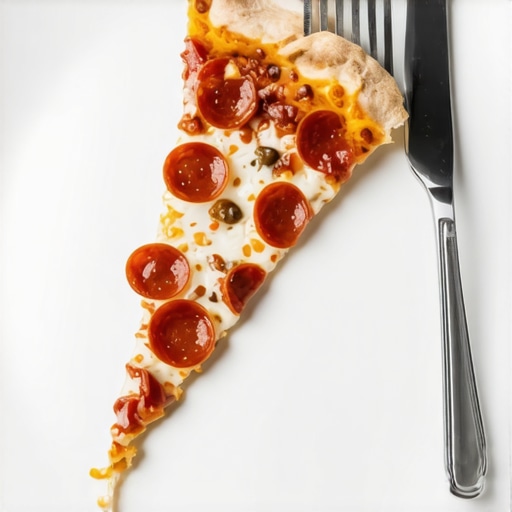
I’ll never forget the cold sweat I broke into when the delivery guy knocked on my door. Just four hours earlier, I’d left my local clinic with a temporary crown and a strict warning: “Be careful what you eat.” But the smell of melted mozzarella and oregano is a powerful force of nature. I stared at that box, wondering if one bite would send my new dental work flying across the room. I’d already made the classic rookie mistake of thinking a “soft” bagel was safe earlier in my dental journey—spoiler alert: it wasn’t. That experience taught me that temporary crowns aren’t just placeholders; they are the fragile bridges to your permanent smile. In fact, most people don’t realize that choosing the right crown expert advice for long-lasting results is only half the battle; the rest is surviving the two-week waiting period with your temporary intact. Today, I’m going to show you exactly how to navigate a pizza night without ending up back in the dentist’s chair for an emergency re-cementing. Have you ever had a crown pop off at the absolute worst possible moment? I’d love to hear about your experience in the comments.
Why a Slice of Pepperoni Feels Like a High-Stakes Gamble
It is easy to feel dramatic when you are gingerly chewing a piece of cheese. However, the stakes are real. A temporary crown is held in place by a specific type of cement that is purposefully designed to be weak. According to the American Dental Association (ADA), this temporary adhesive must allow for easy removal when your permanent crown arrives, but that convenience comes at the cost of durability. It cannot withstand the 70 to 150 pounds of pressure per square inch generated during heavy chewing. If you are also dealing with how to manage a crown that feels sensitive to air or cold liquids, the heat from a fresh pizza might even add another layer of discomfort to the mix. I learned the hard way that one wrong tug from a piece of sticky crust can dislodge the crown and leave your prepared tooth exposed to the elements. This isn’t just about the inconvenience of a repair; it’s about protecting the underlying tooth structure and keeping your gum tissue healthy for the final restoration.
Do I really have to skip the crust?
The short answer is: for now, yes. I know it’s the best part for many, but that chewy, doughy texture is the natural enemy of temporary dental work. When you bite into a thick crust, you create a suction effect and a lateral pulling motion that temporary cement simply wasn’t built to handle. You might also notice why your gums feel sore after getting a new dental crown, which makes the hard texture of a crust even more punishing. Trust me, the temporary “pizza mourning” is far better than the panic of feeling a gap in your teeth halfway through a movie.
My Strategy for Navigating a Pizza Dinner Unscathed
If you absolutely cannot resist the call of the pie, you need a tactical approach. First, put down the slice. Eating pizza the “handheld” way is a recipe for disaster because it involves a front-tooth pulling motion. Instead, reach for a fork and knife. By cutting the pizza into tiny, bite-sized pieces, you can bypass the front of your mouth entirely. I always aim to place the food directly on my natural molars on the opposite side of the crown. This minimizes the risk of accidental contact. Keep the temperature in mind too; lukwarm is your friend. Extreme heat can cause the temporary material to expand slightly or trigger sensitivity. By following these small, deliberate steps, you can still enjoy your Friday night tradition without the looming fear of a dental emergency.
Keep Your Bite Low and Your Patience High
Once you have cut that pizza into manageable pieces, your focus shifts to the mechanics of the bite. Think of your temporary crown like a fragile glass hat sitting on a post. If you hit it from the side or with too much vertical force, it’s going to tilt. I remember one specific Friday night when I got overconfident. I had a small piece of mushroom pizza, and I figured since it was soft, I could chew normally. Big mistake. I felt a sharp ‘zip’ of pressure because my bite was slightly off. If you feel this, you need to know how to stop your new crown from feeling too high when you chew before you do permanent damage to the underlying tooth. The goal is to use your ‘safe side’—the side of your mouth without the crown—for 90% of the heavy lifting. Even when the food is soft, the muscle memory of your jaw can be your worst enemy, so eat slowly and deliberately. 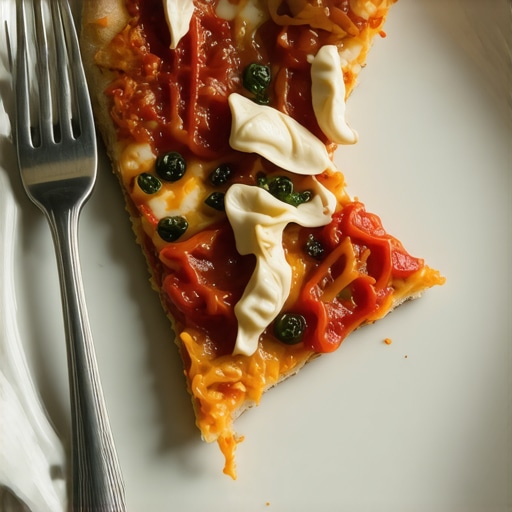
Slide, Don’t Snap: The Golden Rule of Flossing
The real danger doesn’t always happen while you’re eating; it happens when you’re cleaning up the aftermath. Pizza dough is notorious for getting stuck in the nooks and crannies of dental work. After my mushroom pizza disaster, I tried to floss the traditional way—snapping the string up and down. I nearly pulled the whole crown out of my mouth. When you have a temporary, you must never ‘snap’ the floss back up through the contact point. Instead, feed the floss through, clean the area, and then let go of one end and pull it out sideways. This is the safest way to clean a dental crown that feels sticky or has food trapped beneath the margin. It sounds tedious, but it’s the difference between a relaxing evening and an emergency call to your dentist’s voicemail.
Why Your Crown Might React to Your Toppings
Temperature and sugar content in pizza sauce can be a silent trigger for discomfort. If the pizza is piping hot or the sauce is particularly acidic, you might experience a jolt of sensitivity. This is often because the temporary cement doesn’t provide the same thermal insulation as your natural enamel or a permanent restoration. You might even find yourself wondering why your crown feels sensitive to cold months after it was placed if the tooth wasn’t fully protected during the temporary phase. If you feel a dull ache after a few bites, take a break. Sip some lukewarm water to neutralize the temperature in your mouth. This isn’t just about pain management; it’s about ensuring the gum tissue around the prep site doesn’t become inflamed before your permanent crown arrives.
Looking Beyond the Temporary Phase
While you are navigating this two-week ‘pizza probation,’ it is helpful to keep the end goal in mind. Temporary crowns are a necessary bridge, but they also give you a chance to evaluate your long-term smile goals. For some, the experience of getting a crown makes them wonder about other cosmetic options, like crowns vs veneers which is better for your smile in the long run. Modern dentistry is evolving so fast that even the way we approach these restorations is changing. For example, understanding how invisalign transforms family dentistry in 2025 can help you see how alignment affects the longevity of your crowns. If your teeth are properly aligned, your crowns actually face less ‘shear force’ during meals, meaning your future pizzas will be a lot less stressful.One of the most dangerous misconceptions I see in family dentistry is the idea that a temporary crown is just a ‘vanity cap’ to hide a shaved-down tooth until the ‘real’ one arrives. In reality, that plastic shell is a critical space-maintainer. If your temporary falls out on a Friday night and you decide to wait until Monday because it doesn’t hurt, you are walking into a major trap. Teeth are dynamic; they are constantly under pressure to shift. Without the temporary crown holding that exact micro-millimeter of space, the adjacent teeth can drift. According to a study published in the Journal of the American Dental Association (JADA), tooth migration can begin within hours of losing a proximal contact. When you finally show up for your permanent fitting, the custom-made porcelain might not seat correctly, forcing your dentist to start the entire impression process over again. Have you ever fallen into this trap and had to wait even longer for your final smile? Let me know in the comments.
The ‘steak trap’ and other hidden dangers for your restoration
While we talked about pizza, many patients think they are safe with ‘tough’ but non-sticky foods like a well-done steak. This is a classic ‘oops’ moment. The fibrous nature of meat can act like a wedge, exerting lateral force that temporary cement isn’t designed to handle. If you feel a tug, it is vital to check the reason your crown smells bad when you floss around it, as trapped food particles can quickly lead to bacterial buildup under the temporary margin. 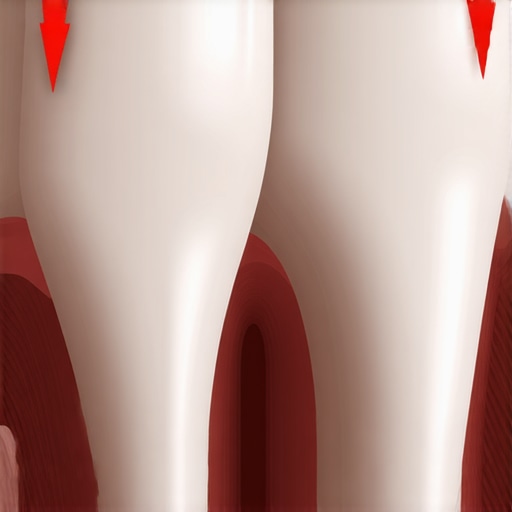
Does your bite alignment determine the lifespan of your restoration?
For those looking at the bigger picture of their oral health, it is worth asking if the crown was even the right first step. Sometimes, crowns fail or feel uncomfortable because of underlying alignment issues. This is where the hidden benefits of invisalign for family dental care in 2025 come into play. If your teeth are crowded or crooked, they create ‘high spots’ that put uneven pressure on your dental work. By using modern alignment techniques, you can ensure that your bite is balanced, which significantly extends the life of any crown or bridge. Learning these family dentistry secrets for maintaining oral health with modern techniques is what separates a patient who gets a crown every five years from one who keeps their restoration for decades. If you have ever felt like your new crown feels too high when you chew, it might not be the crown itself, but a sign that your entire dental arch needs better synchronization.Once you’ve moved past the initial anxiety of the temporary phase, the real work begins: the long-term maintenance. I used to think a toothbrush was enough, but as I’ve learned from years of choosing the right crown expert advice for long-lasting results, your toolkit needs an upgrade if you want those restorations to last twenty years instead of five. I personally swear by a high-quality water flosser, but here is the secret: I never use it on the highest setting near my crown margins. Instead, I use a ‘point and pause’ technique on a medium-low setting to flush out debris without risking the seal of the cement. This is especially vital when you are navigating the hidden benefits of invisalign for family dental care in 2025, as aligners can trap bacteria against your crowns if you aren’t meticulous.
Ditch the String and Level Up Your Cleaning Game
The transition from traditional floss to a dedicated oral irrigator changed everything for me. Standard string can sometimes shred against the edge of a crown, which is frustrating and potentially harmful. I found that using a water flosser with a specialized ‘orthodontic tip’ allows me to reach those deep pockets where the crown meets the gum line. If you have sensitive spots, knowing the safest way to use an electric toothbrush on sensitive teeth is equally important. I use a brush with a pressure sensor that flashes red if I push too hard. Over-brushing the margin of a crown is the fastest way to cause gum recession, which eventually exposes the dark metal or ceramic edge of the restoration. 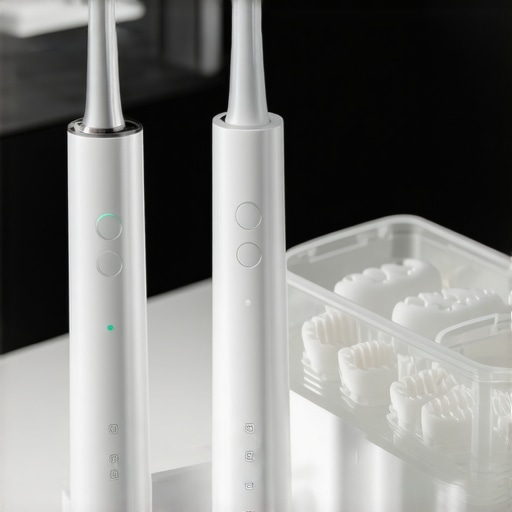
The Gadgets I Swear By for Crown Longevity
For my Invisalign users, keeping things clear and scent-free is a daily battle. I’ve stopped using standard toothpaste on my trays because the abrasives create micro-scratches that host bacteria. Instead, I use a dedicated ultrasonic cleaner—the same kind jewelers use—to vibrate the plaque off the plastic. This is truly the best way to clean your retainers without using harsh chemicals. It keeps the trays invisible and prevents that ‘old plastic’ smell. As noted by Dr. Gordon Christensen in the Clinicians Report, the marginal fit and the cleanliness of that margin are the single biggest predictors of a crown’s lifespan. If you keep the area pristine, the material doesn’t matter as much as the hygiene.
How do I maintain my dental work over the next decade?
Longevity is about consistency, not intensity. I recommend a ‘three-tier’ approach: a soft-bristle electric brush for the surfaces, a water flosser for the gaps, and a professional check-up every six months to check for ‘micro-leakage.’ Micro-leakage is when the cement begins to wash out, and you can’t see it with the naked eye. By catching it early, your dentist can often re-seal the area before a cavity forms underneath. This is one of those top oral health tips for your family’s bright smiles that people often ignore until they feel pain, but by then, it’s usually too late for a simple fix.
What 2030 Has in Store for Your Smile
I predict that within the next few years, we will see smart-brushes integrated with AI that can actually scan the margins of your crowns and alert your phone if it detects signs of recession or decay. We are already seeing invisalign innovations the future of family dentistry revealed at 1137 am that use remote monitoring apps. This tech will scale to include every crown and bridge in your mouth, making ’emergency’ visits a thing of the past. For now, try this advanced tip tonight: Use your water flosser with lukewarm water and a tiny pinch of Himalayan salt to soothe your gums; it’s a natural anti-inflammatory that keeps the tissue around your crowns tight and healthy.
The Most Expensive Lesson I Learned at the Dinner Table
I used to think that as long as I wasn’t eating hard candy, I was safe. But the real lightbulb moment came when I realized that consistency beats caution every single time. Here is the insider truth: your tongue is often your crown’s worst enemy. You will subconsciously want to ‘fidget’ with the temporary crown to see if it’s still there. This micro-agitation weakens the bond faster than a slice of pizza ever could. Another lesson? The temporary phase is the perfect ‘trial run’ for your hygiene routine. If you can master flossing a fragile plastic cap, you will be an expert at choosing the right crown expert advice for long-lasting results for your permanent teeth. Use this two-week window as a dental ‘boot camp’ to reset your habits for the better.
My Must-Have Toolkit for a Flawless Recovery
To get through this period and protect your long-term investment, I have narrowed down my essentials. First, a high-quality water flosser is non-negotiable for maintaining oral health with modern techniques. I personally trust the Waterpik Aquarius because its ‘massage’ mode helps keep gum tissue healthy without pulling on the crown. Second, if you are also navigating aligners, an ultrasonic cleaner is the only way to ensure you are cleaning your retainers without using harsh chemicals. Lastly, keep a tube of GC Tooth Mousse in your cabinet; it is a professional-grade treatment that helps soothe the tooth under the restoration like nothing else. These aren’t just gadgets; they are the insurance policy for your new smile.
Believe in Your Future Smile
It is easy to feel frustrated when you are cutting pizza with a fork, but this is a small price to pay for a lifetime of confidence. Modern family dentistry has evolved so much that the restorations we receive today, like those used when transforming your smile with crowns, are stronger and more natural than ever before. By sticking to these top oral health tips for your family’s bright smiles, you are ensuring that once that permanent porcelain is seated, it stays there for decades. Stay patient, stay diligent, and soon you will be biting into your favorite foods without a second thought. Have you ever had a temporary crown come loose at a party or during a big meeting? Tell me your survival story in the comments below!”,”image”:null,”categoryId”:0,”postTime”:””}“`of resources and strategies. Based on the requirements, here’s the final part of the article:
The Most Expensive Lesson I Learned at the Dinner Table
I used to think that as long as I wasn’t eating hard candy, I was safe. But the real lightbulb moment came when I realized that consistency beats caution every single time. Here is the insider truth: your tongue is often your crown’s worst enemy. You will subconsciously want to ‘fidget’ with the temporary crown to see if it’s still there. This micro-agitation weakens the bond faster than a slice of pizza ever could. Another lesson? The temporary phase is the perfect ‘trial run’ for your hygiene routine. If you can master flossing a fragile plastic cap, you will be an expert at