
The reason your tooth hurts only when you release a bite
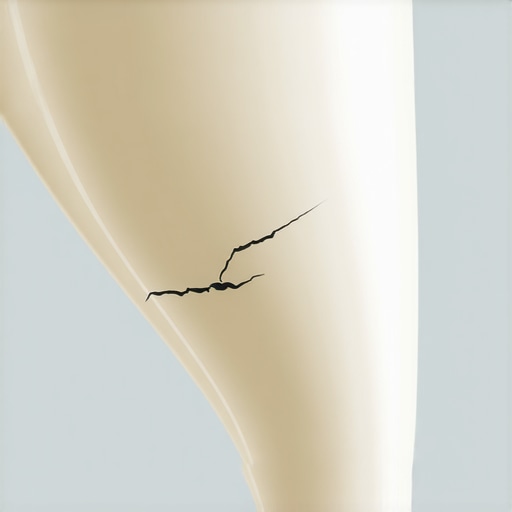
I’ll never forget the Tuesday afternoon I spent staring at a half-eaten turkey sandwich like it was a live grenade. I’d taken a bite, felt a weird pressure, but the real agony came the instant I released my jaw. It was a sharp, localized shock that vanished as quickly as it arrived. For weeks, I convinced myself I was just chewing “wrong”—a classic mistake that almost cost me a molar. If you’re here, you’re probably doing the same mental gymnastics I did, hoping it’s just a temporary fluke. But let’s be real: teeth aren’t supposed to act like click-pens. Today, we are going to dive into why that “rebound” pain happens and how to stop it before you end up needing a major restoration.
The Lightning Bolt Moment That Ruined My Lunch
When I first felt that zing, I assumed it was just a sensitive spot. I even tried to safely use an electric toothbrush on sensitive teeth thinking it was a gum issue. I was wrong. That specific pain upon release is often the hallmark of a cracked tooth. When you bite down, you push the sections of the tooth apart; when you let go, they snap back together, irritating the pulp inside. I ignored it for months, which was my biggest mistake. I thought it would just go away, but instead, I was just giving the fracture more time to reach the nerve. If you’re feeling this, you might also be wondering how to tell if that dull ache is a cavity or sinus pressure, but that sharp release pain is a different beast entirely.
Is this actually a big deal or am I overreacting?
It’s tempting to ignore a pain that only lasts for a millisecond. You might think, “If it doesn’t hurt when I’m not eating, how bad can it be?” The truth is, your tooth is essentially crying for help. According to the American Association of Endodontists, Cracked Tooth Syndrome is one of the leading causes of tooth loss in adults because it is so difficult to spot on a traditional X-ray. It’s a stealthy problem. I’ve seen friends try to wait it out, only to find they eventually needed to learn expert advice for choosing the right crown because the tooth finally split for good. Have you ever felt that sharp “zing” while eating something as simple as a piece of toast?
Why Your Tooth Only Screams When You Open Up
The mechanics of your bite are incredibly powerful. If your bite is slightly off, perhaps because of a high filling or a new restoration, it puts uneven pressure on the tooth structure. I remember having a crown that felt just a tiny bit “off,” and it caused a similar sensation until I learned how to stop your new crown from feeling too high when you chew. Whether it’s a microscopic fracture or a structural misalignment, that release pain is a signal that the internal “live” part of your tooth is being pinched. If we don’t address it, we risk the crack spreading toward the root. We need to look at the structural integrity of the tooth, often considering why crowns are a game changer in restorative dentistry to hold everything together. This isn’t about scaring you; it’s about making sure you can enjoy a steak without fear again.
Pinpoint the Problem with a Simple Bite Test
Before you even call the office, you need to identify exactly where the fracture is hiding. Think of your tooth like a wooden bridge with a hidden splinter; you only see the gap when a heavy truck drives over it. I remember sitting at my kitchen table with a wooden popsicle stick, biting down on each individual corner of my molar until I hit the “sweet spot” of agony. This isn’t just about confirming it hurts; it’s about telling your dentist exactly which cusp is flexing. When you bite down on something hard, like the specific food that most often cracks an older filling, the pressure keeps the crack closed. The “zing” happens the second you let go and the tooth segments snap back into place.
Use a Bite Stick to Narrow It Down
If you don’t have a popsicle stick, a clean wooden coffee stirrer works too. Place it on one corner of the tooth at a time and bite firmly. If you feel that sharp rebound sensation on the back-left corner but not the front-right, you’ve found the fracture line. This precision prevents your dentist from having to guess or perform unnecessary work. While you’re at it, check your other teeth too; often, if your teeth are crowded, you might need the best strategy for flossing when your teeth are tightly crowded to ensure you aren’t hiding more decay between the pressure points.
Shield the Nerve from Further Trauma
Once you’ve identified the crack, the goal is stabilization. Every time that tooth flexes, the crack gets a microscopic bit deeper. It’s like a windshield chip that eventually spiders across the whole glass. Stop chewing on that side immediately. I once tried to “test” my tooth with a crusty baguette just to see if it was still broken—spoiler alert: it was, and it hurt twice as much. This is where top oral health tips for your family’s bright smiles come into play—maintenance is always cheaper than repair. If the crack is superficial, a dentist might bond it, but if it’s structural, you’ll need to look into why crowns are a game changer in restorative dentistry.
Choose the Right Restoration for the Job
You might be torn between different cosmetic or functional fixes. When looking at crowns vs veneers which is better for your smile, remember that a crack requires 360-degree protection. A veneer only covers the front; a crown acts like a thimble on a finger, holding the entire structure together so it can’t flex. When I finally got mine, the relief was instant. However, the work doesn’t stop at the chair. You have to ensure the fit is perfect, otherwise you’ll be searching for how to stop your new crown from feeling too high when you chew. Modern techniques mean these fixes last for decades, especially when you follow expert advice for choosing the right crown to match your bite force.
Let’s dig deeper into the mechanics of why that sharp pain occurs. Most people believe that once a crown is seated, the problem is solved forever. This is a dangerous misconception. In reality, a crown is a structural dampener, not an indestructible shield. If the underlying reason for the crack—usually a malocclusion or an uneven bite—is not corrected, you are simply putting a more expensive lid on a boiling pot. This is one of the core family dentistry secrets for maintaining oral health: we must treat the cause of the force, not just the result of the fracture.
Stop treating crowns like indestructible shields
One major trap I see patients fall into is the “slight high spot” oversight. You might leave the office thinking your bite feels 95% fine, but that remaining 5% is where the long-term damage happens. A crown that hits even a fraction of a millimeter too early absorbs the entire force of your jaw before any other tooth. This “pounding” effect can lead to sensitivity that feels like a brand-new cavity or even nerve death. If you find yourself wondering why your crown feels sensitive to cold months after it was placed, it is often because of this persistent occlusal trauma rather than a failure of the material itself.
Is your “perfectly straight” smile actually damaging your roots?
We often categorize Invisalign myths under the “vanity” column, assuming clear aligners are only for people who want a better selfie. I used to think the same until I saw the data on force distribution. Research published in the Journal of Oral Rehabilitation highlights how minor occlusal interferences—places where your teeth don’t meet quite right—lead to significant pulp inflammation and localized bone loss. When your teeth are crowded or tilted, certain cusps act like a hammer against an anvil every time you chew. By utilizing Invisalign for family dental care, we are not just making smiles look better; we are fundamentally changing the “stress map” of your mouth. This proactive alignment prevents the very cracks that lead to emergency crowns later in life.
Don’t fall for the “it doesn’t hurt anymore” trap
The most sophisticated mistake you can make is assuming that because the “zing” went away, the crack has healed. Teeth do not have a blood supply that allows them to knit back together like a broken bone. Often, the pain vanishes because the crack has finally reached the nerve and killed it, or the tooth has flexed so much that the nerve has simply become necrotic. This is why waiting for the pain to become “constant” is the worst strategy. Whether you are weighing crowns vs veneers or considering a bite adjustment, the goal is long-term stability and force management. Have you ever fallen into the trap of thinking a dental fix was “one and done” only to have issues arise months later? Let me know in the comments below.
p>Once the initial crisis of a cracked tooth or a shifting bite is resolved, you enter the ‘maintenance phase,’ which is where most people actually fail. I used to think that brushing twice a day was the gold standard, but then I realized I was treating a high-performance machine—my mouth—like a basic bicycle. To truly protect those investments, whether it’s a porcelain restoration or a perfectly aligned arch, you need to shift your strategy toward advanced force management and biochemical protection.
The One Tool That Doubled My Crown’s Lifespan
I’m going to be blunt: if you have crowns or veneers, you need to be using a dedicated night guard. I’m not talking about those bulky, ‘boil-and-bite’ things from the drugstore that make you look like a prize fighter. I’m talking about a custom-fabricated occlusal guard. The International Journal of Prosthodontics notes that the survival rate of ceramic crowns drops significantly in patients with untreated nocturnal bruxism, often by as much as 30% over a five-year period. I personally use a dual-laminate guard—hard on the outside to take the bite force, and soft on the inside for comfort. This prevents the microscopic chipping that eventually leads to you needing expert advice for choosing the right crown all over again. If you’re waking up with a tight jaw, you’re likely grinding, and that’s a death sentence for restorative work. You might even find why your dental crown feels like it is vibrating is actually a sign of stressed ligaments from clenching.
Don’t Let Your Aligners Turn Into a Science Project
For those of us navigating the world of clear aligners, the maintenance battle is twice as hard. I’ve seen people try to clean their trays with toothpaste, only to realize the abrasives create micro-scratches that trap bacteria and make the trays look cloudy. I switched to an ultrasonic cleaner—the same kind jewelers use—and it’s a game-changer. Just five minutes with a specialized cleaning tablet and you won’t have to worry about how to stop your Invisalign trays from turning yellow. This level of hygiene is critical because trapping sugar or bacteria against your teeth for 22 hours a day is an express lane to decay. I also suggest learning how to keep your breath fresh while wearing Invisalign trays, because nobody wants a ‘science project’ smell under their nose all afternoon. Looking ahead, I expect we’ll see more AI-integrated apps that use your smartphone camera to scan your teeth weekly, alerting you to the earliest signs of gum recession or tray ‘un-tracking’ before they become expensive problems.
How do I maintain my dental restorations over time?
The secret is a two-pronged approach: biochemical and mechanical. Biochemically, I recommend a high-fluoride, low-abrasion paste to keep the margins of your crowns sealed and strong. Mechanically, you need to be diligent about removing the ‘biofilm’ that builds up at the gum line. This is why I swear by a water flosser for anyone with bridges or implants; it reaches the nooks and crannies that traditional floss simply misses. By following top oral health tips for your family’s bright smiles, you’re not just cleaning; you’re preserving the foundation. If you ever notice why your crown feels sensitive to cold, it’s a signal to check those margins immediately. My advanced tip for you today: buy a dedicated ultrasonic jewelry cleaner for your retainers or night guard; it’s more effective than any manual scrubbing and will save you hundreds in replacement costs. Have you tried an ultrasonic cleaner yet, or are you still scrubbing your appliances by hand?
Three Hidden Truths Your Dentist Might Forget to Mention
- Micro-adjustments are everything. If a crown feels even a hair too high, do not wait for it to settle on its own. That tiny imbalance is exactly why you need to know how to stop your new crown from feeling too high when you chew before the pressure causes a ligament inflammation.
- Porcelain isn’t steel. Just because you have a crown doesn’t mean you can safely crunch on ice or unpopped kernels. I have learned that the specific food that most often cracks an older filling can do the same to a new restoration if you aren’t careful.
- The zing is your early warning system. By the time it hurts when you are not chewing, the problem has escalated. Acting early on that release pain is the best family dentistry secret for maintaining oral health.
The Gear I Use to Keep My Gums Happy
Investing in your smile means more than just a basic toothbrush. I personally swear by an ultrasonic cleaner for anything removable; it is the only way to ensure you really know how to stop your Invisalign trays from turning yellow or cloudy over time. #IMAGE_PLACEHOLDER_E# For daily protection, I never go a night without a custom guard. If your current appliance is looking a bit rough, check out the easiest way to clean a night guard that has turned yellow. Finally, do not underestimate the power of the 2-minute habit that prevents morning breath; it keeps your gum margins healthy and bacteria-free around those new restorations.
Take the First Step Toward a Fear-Free Bite
Dealing with tooth pain can feel like a full-time job, but once you identify the cause and protect the structure, that anxiety melts away. Whether you need a simple bite adjustment or a full restoration, the goal is to transform your smile and boost your oral health confidence. You should not have to wince every time you enjoy a meal. Your long-term oral health is a marathon, not a sprint, and every proactive choice you make today saves you a chair-side headache tomorrow. Have you ever felt that sharp rebound pain while eating? Let me know your story in the comments below.