
The reason your mouth feels dry only at night

I woke up at 3 AM last night with a tongue that felt like it had been cured in salt and left to dry in the Sahara. I tried to swallow, but my throat was a sticky mess of ‘nope.’ It’s a terrifying sensation, isn’t it? You’re fumbling for the water glass on your nightstand, knocking over your phone, all while your mouth feels like a construction site. I used to think I was just destined to be a midnight mouth-breather, but I eventually learned there’s a lot more going on under the surface. Today, we’re going to pinpoint exactly why your saliva vanishes the moment you close your eyes and, more importantly, how to bring it back.
The Desert Inside Your Cheeks Every Night
For a long time, I made a massive mistake: I thought dry mouth was just a ‘water’ problem. I’d drink a gallon of H2O before hitting the hay, only to wake up still parched and needing a bathroom run at 4 AM. It was frustrating. I started noticing why my tongue looks white and furry in the morning, and frankly, it was a bit gross. The truth is, our bodies naturally produce less saliva while we sleep. According to the Mayo Clinic, certain medications or even just your sleeping position can turn a minor dip in moisture into a full-blown drought. This isn’t just about comfort; it’s vital for maintaining your family’s bright smiles, because saliva is your mouth’s primary defense against decay. Have you ever woken up feeling like you swallowed a wool sock?
Is This Actually Something I Need to Fix?
You might be thinking that a little thirst isn’t worth a trip to the professional. I thought so too, until I realized that the 2-minute habit that prevents morning breath works a lot better when your mouth isn’t a desert. When you lack saliva, bacteria throw a party, and they aren’t the kind of guests you want. One of the biggest ‘aha!’ moments for me was realizing the reason your mouth gets dry when you take allergy medicine. My nightly antihistamine was essentially sucking the moisture right out of my gums. It’s a classic neighborly mistake—fixing one problem while accidentally creating another. We’re going to dive into the specific lifestyle tweaks that actually work, moving beyond just ‘drinking more water’ and getting to the root of the issue.
Reclaim Your Moisture with These Nighttime Adjustments
You cannot simply out-drink a dry mouth problem. If you are breathing through your mouth all night, you are effectively running a hair dryer over your gums for eight hours straight. No amount of water in your stomach can compensate for that constant evaporation. Think of your saliva as the engine oil for your mouth; without it, the friction between your tongue, cheeks, and teeth starts causing real damage. To fix this, you have to look at how you breathe and what you put in your mouth right before bed.
Stop Air-Drying Your Gums While You Sleep
The most common culprit for that desert-like feeling is mouth breathing. When your jaw drops open, you bypass the natural humidifying system of your nose. I used to struggle with this constantly until I experimented with side-sleeping and using a humidifier. One night, I forgot to refill the humidifier and woke up feeling like my throat was glued shut. It was a stark reminder that environmental moisture is just as important as internal hydration. If you wear appliances, you also need to know how to keep your breath fresh while wearing invisalign trays all day, as these can trap bacteria that exacerbate dryness. 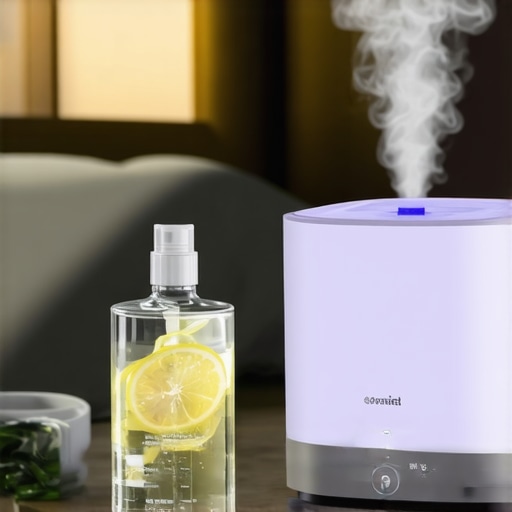
Ditch the Alcohol-Based Mouthwashes for Good
Most people reach for the strongest, stingiest mouthwash they can find, thinking ‘stronger is better.’ This is a massive mistake. Alcohol is a desiccant—it dries things out. If you have ever wondered about the reason your mouth feels like it is burning after using mouthwash, it is usually the alcohol content stripping away your protective mucosal layer. I remember one Tuesday when I used a high-alcohol rinse right before a long flight; by the time we landed, my mouth felt like it had been pickled. Switch to an alcohol-free, xylitol-based rinse instead. Xylitol actually helps stimulate saliva flow rather than suppressing it. This is a core part of family dentistry secrets for maintaining oral health with modern techniques that many people overlook.
Clean Your Nightly Appliances Correctly
If you wear a night guard or retainer, it can become a breeding ground for plaque if not maintained. A dirty appliance makes your mouth work harder to fight off bacteria, which can further deplete your saliva reserves. You should learn the easiest way to clean a night guard that has turned yellow or cloudy to ensure you aren’t reintroducing irritants into a dry environment every night. Furthermore, if you have existing dental work, a dry mouth can make things feel much worse. For instance, if you are struggling with how to manage a crown that feels sensitive to air or cold liquids, the lack of insulating saliva can turn a minor sensitivity into a sharp, painful experience. Keeping your appliances pristine and your mouth hydrated creates a synergy that protects both your natural teeth and your dental investments.It’s easy to assume that once you’ve invested in a major dental restoration, the hard work is over. I’ve seen this ‘set it and forget it’ mentality lead to some pretty expensive surprises down the road. Let’s dig deeper into why your dental work isn’t a suit of armor and why common wisdom often fails when it comes to longevity. Have you ever fallen into the trap of thinking a crown means you can skip flossing that spot? Let me know in the comments.
Don’t Fall for the Invincibility Myth of Dental Crowns
Many patients believe that because why crowns are a game changer in restorative dentistry, the tooth underneath is now immune to decay. This is one of the most dangerous misconceptions in family dentistry. In reality, the margin where the crown meets your natural tooth structure is a microscopic highway for bacteria. If your oral hygiene slips even slightly, you can develop ‘secondary caries’—decay that hides under the expensive porcelain. The biggest ‘oops’ factor I see is people ignoring a slight food trap between their teeth. If you are searching for the move to stop a crown from trapping food every time you eat steak, you shouldn’t just reach for a toothpick; you should consult your dentist about the contact point. A crown that catches food is a crown that is actively inviting gum disease and bone loss.
Why Your New Crown Might Still Feel Sensitive Months Later?
One of the most sophisticated questions I get is why a tooth that has been ‘fixed’ still reacts to the world. You might wonder why your crown feels sensitive to cold months after it was placed. It isn’t always a sign of a failing nerve; often, it’s an issue of occlusal trauma. If the crown is even a hair too high, your jaw applies thousands of pounds of pressure to that one spot every time you swallow. Learning how to stop your new crown from feeling too high when you chew often requires a simple professional adjustment that can save you from a needless root canal. According to a study published in the Journal of Dentistry, marginal leakage and occlusal disharmony are leading causes of patient dissatisfaction with fixed prosthodontics, proving that ‘the fit’ is more important than the material used.
Master the Nuances of Invisalign Tracking for Faster Results
In the world of clear aligners, most people focus on the ‘clear’ part and forget the ‘aligner’ part. Common wisdom says you just pop them in and wait. But invisalign myths debunked reveal that ‘tracking’—the way the tray actually grips the tooth—is the real secret to success. If there is a tiny air gap between the edge of your tooth and the tray, the orthodontic force is being distributed incorrectly. This is where the hidden benefits of invisalign for family dental care in 2025 come into play, utilizing advanced attachments to ‘grab’ the teeth and guide them. 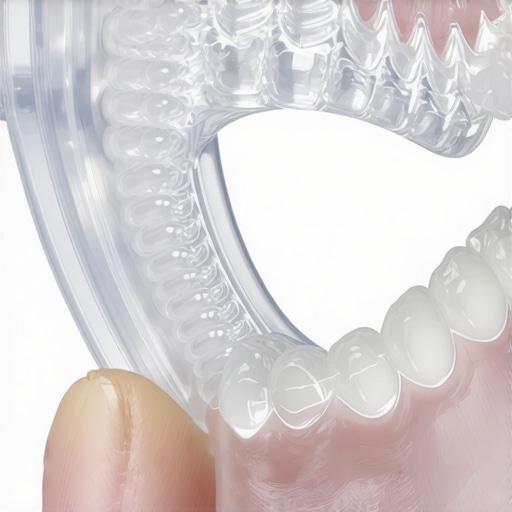 If you are already struggling with how to manage a crown that feels sensitive to air or cold liquids, adding the pressure of aligners can complicate your comfort. The nuance here is using ‘chewies’ or seating devices to ensure the tray is fully engaged with every single tooth. Don’t let a ‘good enough’ fit double your treatment time; precision is the difference between a straight smile and a frustrated one.
Stop Treating Your Dental Work Like a One-and-Done Project
I used to think that once my crown was seated or my Invisalign treatment was finished, I could just coast. That is a recipe for disaster. Think of your dental work like a high-performance car; you don’t just drive it off the lot and never change the oil. To keep things running smoothly, you need to transition from the ‘repair’ phase into the ‘preservation’ phase. This is where most people fail because they rely on the same old tools that got them into trouble in the first place. If you want to truly master family dentistry secrets for maintaining oral health with modern techniques, you have to upgrade your toolkit. I personally swapped my manual brush for a pressure-sensing electric model the moment I realized the reason your gums bleed only when you use an electric toothbrush is often because you’re scrubbing too hard, not because the brush is ‘mean.’
How Do I Maintain My Dental Work Over the Next Decade?
Longevity is the name of the game. For my crowns, I’ve become obsessed with interproximal hygiene. Standard floss is great, but when you have a restoration, you need something that can navigate the slightly different contours of a prosthetic. I recommend using a water flosser on a medium setting. Why? Because it flushes out the ‘micro-debris’ that a string might skip over. If you’ve ever noticed the reason your crown smells bad when you floss around it, that’s your warning sign that bacteria are colonizing the margin. By using a water flosser, you’re essentially power-washing the foundation of your smile. This is a crucial step in the ultimate guide to crowns for a healthier smile.
The Ultrasonic Secret for Pristine Aligners
If you are still scrubbing your aligners or night guard with a toothbrush and toothpaste, stop. Toothpaste contains abrasives that create microscopic scratches in the plastic, which then act as ‘hotels’ for bacteria. I use a dedicated ultrasonic cleaner. These devices use high-frequency sound waves to create cavitation bubbles that implode against the surface of the plastic, blasting away plaque without scratching the material. This is by far the most effective way to learn how to clean the gunk out of your invisalign aligners without damaging them. According to Dr. Gordon Christensen of the CR Foundation, ultrasonic cleaning is significantly more effective at removing biofilm than manual brushing alone, especially for complex geometries like dental appliances. 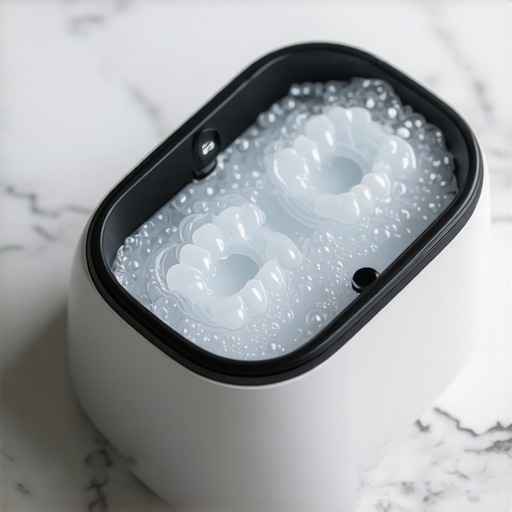
Where the Future of Your Smile is Heading
I predict that within the next five years, we’ll all be using AI-integrated mouth-scanners at home. We are already seeing invisalign innovations and the future of family dentistry moving toward remote monitoring. Imagine snapping a photo with your phone and having an app tell you exactly where plaque is building up around your crowns that boost oral health and confidence. Until that tech is standard, my advanced tip for you today is this: Buy a pack of disclosing tablets. Use one tonight after you think you’ve finished brushing. It will stain the remaining plaque bright purple, showing you exactly where you’re missing. It’s a humbling but necessary reality check for anyone serious about top oral health tips for your family’s bright smiles.
The Hardest Lesson I Learned About Protecting My Smile
For years, I believed that dental work was a ‘one-and-done’ solution. I thought a crown was like a permanent shield and that once my teeth were straight, the work was over. The reality is quite different. The biggest lightbulb moment for me was realizing that your home-care routine is actually more important than the initial procedure. If you don’t stay vigilant, you’ll find yourself needing replacements much sooner than expected. Another shocker? I found that how to clean your tongue without triggering a strong gag reflex is a skill everyone needs, as a coated tongue can harbor the very bacteria that attack your crown margins. I also learned that invisalign vs braces which solution fits your lifestyle isn’t just about aesthetics; it’s about which system you are more likely to actually clean and maintain every single day.
The Three Tools Currently Rescuing My Teeth
I have narrowed my dental toolkit down to three non-negotiables that have saved me thousands in potential repairs. First, a high-pressure water flosser is a game changer for getting under bridge work and around the base of crowns where traditional floss often shreds. Second, I cannot recommend a small ultrasonic cleaner enough for your night guards or aligners; it reaches the microscopic pores that a brush simply can’t touch. Finally, I always keep disclosing tablets on hand. They are the ultimate truth-tellers, showing you exactly where your technique is failing. These tools are the backbone of choosing the right crown expert advice for long-lasting results because even the best dentist’s work cannot survive a poor environment. I trust these methods because they shift the control back into your hands, ensuring your oral health stays proactive rather than reactive.
Consistency Always Beats Perfection
It is easy to get overwhelmed by the nuances of oral hygiene, but you don’t have to be perfect every single day; you just have to be consistent. The world of family dentistry is constantly evolving, and staying informed about family dentistry trends improving oral health for all ages will help you adapt as your needs change over time. Your smile is the first thing people notice, and protecting it is an act of self-care that pays dividends in both health and confidence. Remember, a little extra effort tonight, like learning how to prevent bad breath when you are wearing a retainer, ensures a much brighter tomorrow. Have you noticed any specific spots around your crowns or aligners that are particularly tricky to keep clean? Let me know in the comments below!