
How to stop your new crown from feeling too high when you chew
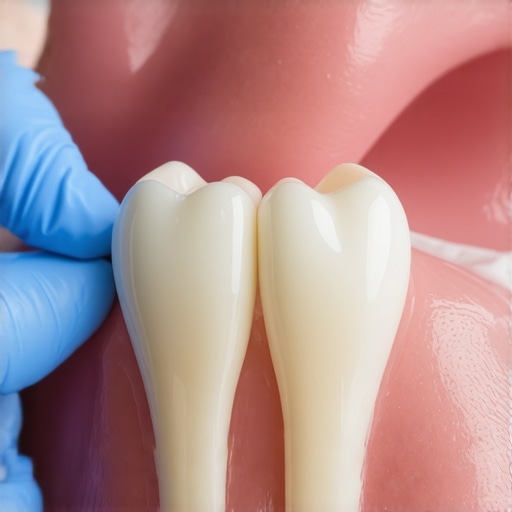
I sat there, staring at my favorite sourdough sandwich, and for the first time in my life, I was actually scared to take a bite. I had just spent two hours in the chair, my jaw was still slightly numb, and the shiny new porcelain felt less like a tooth and more like a pebble glued to my molar. I remember thinking, ‘Is it supposed to feel like this?’ Every time I closed my mouth, that one spot hit first. Hard. It wasn’t just uncomfortable; it was incredibly frustrating. You expect to walk out of the office with a perfect smile, but sometimes you walk out feeling like your jaw is permanently crooked. I once made the mistake of trying to ‘grind it down’ myself by chewing on ice, thinking I could force it into place. Trust me, that only leads to a different kind of dental emergency.
That Annoying Mountain in Your Mouth
When you get a new crown, you are usually focused on the aesthetics or the relief from a cavity. However, the reality of what to do when your crown feels taller than your other teeth is something few people talk about until they are mid-meal and miserable. I made the classic rookie mistake of assuming my mouth would just ‘figure it out.’ I figured if I chewed enough, it would eventually settle. Spoiler alert: it didn’t, and I ended up with a massive headache. If you are currently tapping your teeth together and feeling that one high spot, I am here to tell you that you do not have to just ‘live with it.’ Today, I am going to share how we can get your bite back to normal without the stress.
Is a little bit of height actually a big deal?
You might think you are being dramatic. You are not. Your mouth is incredibly sensitive; even a few microns—thinner than a human hair—can throw off your entire bite alignment. According to the American Dental Association, a ‘high’ restoration can lead to pulpitis, which is inflammation of the tooth’s nerve, making the whole situation much more painful than it needs to be. You might also notice why your gums feel sore after getting a new dental crown as your mouth tries to compensate for the uneven pressure.
Why This Needs Your Attention Right Now
Ignoring a high crown isn’t just about comfort; it is about protecting your investment. If you keep hammering down on that one tooth, you risk cracking the porcelain or even damaging the underlying natural tooth structure. I have seen folks wait weeks, hoping for a miracle, only to end up back in the chair for a more complex fix. Plus, the way you chew affects everything from your jaw joints to your digestion. Have you ever felt like you were chewing on one side of your mouth just to avoid a weird sensation? I would love to hear if you are stuck in that ‘one-sided chewing’ phase right now—drop a comment and let me know. Knowing the specific reason your crown feels tall when you wake up versus when you eat can help you figure out if it is a simple fix or a lingering inflammation issue. Before we dive into the mechanical fixes, let’s look at what to eat after getting a new dental crown to keep the pressure low while we sort this out.
Give your mouth a chance to settle
Before you panic and call the office, you need to wait for the local anesthetic to completely wear off. It sounds basic, but I once spent half an hour panicking that my face was lopsided, only to realize I just couldn’t feel my own cheek. Once the numbness is gone, give it about 24 hours. Sometimes, the ligaments around the tooth are just inflamed from the procedure itself. During this window, you might notice why your new crown feels sensitive to cold drinks, which is usually just a sign that the nerve is a bit grumpy from the work. If you still feel like you’re biting down on a marble after a full day of rest, it’s time to take action. 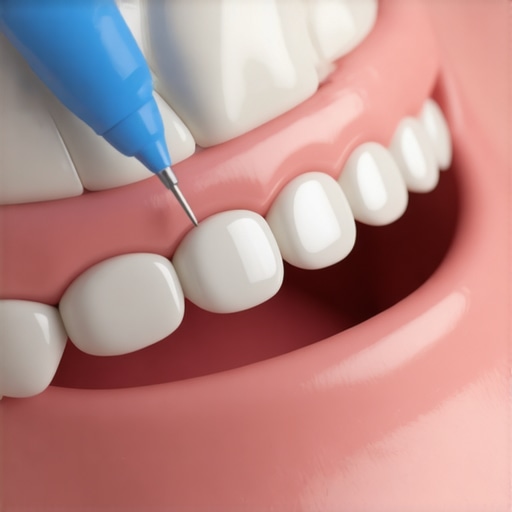
The simple tap test you can do at home
Think of your teeth like a set of perfectly timed gears. When one gear is even a fraction of a millimeter too big, the whole machine grinds to a halt. To see if your crown is truly ‘high,’ try this: sit up straight, relax your jaw, and slowly tap your teeth together. Do you feel that specific tooth hitting before any of the others? Now, try sliding your jaw side-to-side while your teeth are touching. If the crown catches or feels like it’s tripping up your jaw’s movement, it’s a high spot. I remember a time I tried to ignore this with a temporary crown; I thought if I just chewed on the other side, I’d be fine. Within three days, I had a twitch in my temple and couldn’t open my mouth wide enough to eat an apple. That was a hard lesson in choosing the right crown expert advice for long-lasting results rather than trying to ‘tough it out.’
What happens during a professional bite adjustment
When you go back to the dentist, the fix is actually incredibly fast and painless. They use a special piece of thin, colored film called articulating paper. You’ll bite down on it, and it leaves a little mark on the exact spot where the crown is hitting too hard. The dentist then uses a fine diamond bur to buff away those microns of porcelain. It doesn’t require more numbing, and it feels like a weight has been lifted off your jaw the second it’s done. This precision is part of top oral health tips for your familys bright smiles because a balanced bite prevents future chips and cracks.
Why you should check for lingering sensitivity
Even after the bite is adjusted, keep an eye on how the tooth reacts to temperature. If you find yourself wondering why your crown feels sensitive to cold months after it was placed, the issue might not be the height anymore, but how the crown is sealed or how the nerve is recovering. Also, if you are looking at other teeth and worrying, it’s helpful to know how to tell if that white spot on your tooth is a cavity or just a natural variation, so you can address everything in one visit. Maintaining that alignment is as crucial for crowns as it is for those using invisalign myths debunked to straighten their natural teeth. A balanced mouth is a healthy mouth.
Why the ‘waiting game’ usually fails with new crowns
Everyone tells you to just give it time. ‘Wait a week,’ they say. But in my experience, if a permanent crown feels high on day two, it is not going to suddenly sink into your jawbone like a post in the mud. This ‘settling’ is often just your periodontal ligament becoming bruised or your brain subconsciously shifting your jaw to avoid the pain—a process called neuromuscular adaptation. While your brain is smart, it is also lazy. It will literally change the way you chew just to avoid that one high spot, which eventually leads to muscle fatigue. This is one of the family dentistry secrets maintaining oral health with modern techniques at 254 pm that we focus on: true precision over a ‘wait and see’ approach.
Stop your jaw from overcompensating for a bad bite
Here is the trap most people fall into: they think the crown is the problem when the issue is actually the bite’s occlusion across the entire arch. If you ignore that ‘tall’ feeling, you are not just risking the crown; you are risking the health of the opposing tooth. According to a study published in the Journal of Oral Rehabilitation, even minor occlusal interferences can significantly increase the activity of the masseter muscles, leading to bruxism or grinding. This is why crowns are a game changer in restorative dentistry—they require a holistic view of your mouth, not just a single tooth fix. If you start noticing the reason your jaw clicks more when youre feeling tired, you might already be overcompensating for an uneven bite. 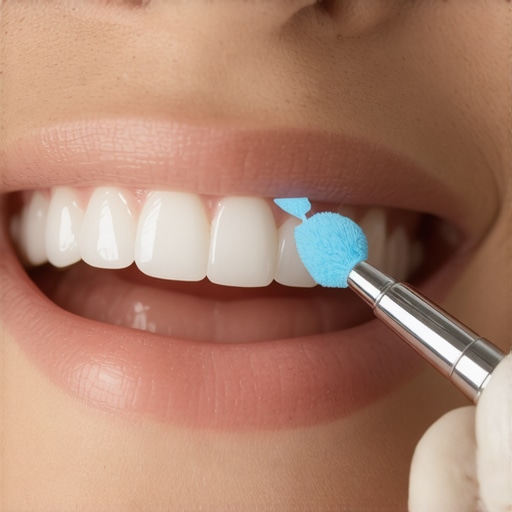
Could a single high crown trigger chronic jaw pain?
The short answer is yes. We often see patients who have undergone how invisalign transforms family dentistry in 2025 or other alignment treatments, and then a new crown throws the whole delicate balance off. It is not just about the vertical height; it is about the ‘inclined planes’—the slopes of the tooth’s cusps. If those slopes are too steep, your jaw has to work harder to ‘slide’ into a closed position. This is the ‘hidden nuance’ that separates a standard crown from a masterpiece. Most patients underestimate the role of the periodontal ligament (PDL). The PDL acts as a shock absorber. When a crown is too high, the PDL is constantly compressed, which causes inflammation. This inflammation can make the tooth feel even ‘taller’ than it actually is, creating a vicious cycle of pain. This is why immediate intervention is better than a ‘wait and see’ approach in top oral health tips for your familys bright smiles. Have you ever fallen into this trap where one small dental change seemed to trigger a whole chain reaction of jaw clicks or headaches? Let me know in the comments. When we look at the ultimate guide to crowns for a healthier smile, we emphasize that the restoration must integrate into your existing chewing cycle. Modern dentistry uses digital scans to ensure this, but older methods sometimes miss the mark. Do not be afraid to ask for a second adjustment. It is better to have your dentist buff the porcelain three times than to have a root fracture once. Protecting your oral health means being an advocate for your own comfort.Once that bite is adjusted, the real work begins: maintenance. I stopped using standard floss around my crowns years ago. I switched to an electric water flosser because the pulse helps clean the margin where the porcelain meets the gumline—the exact spot where why your gums feel sore after getting a new dental crown often starts. I’m a huge advocate for T-Scan technology over traditional articulating paper. While the colored paper I mentioned earlier is great for finding the ‘where,’ digital occlusal analysis is the gold standard for finding the ‘how much.’ According to research published in the International Journal of Computerized Dentistry, digital sensors can measure the force and timing of a bite with a level of precision that manual methods simply cannot touch. It shows exactly which tooth is hitting first in milliseconds, preventing that ‘tall’ feeling from ever returning.
Keep your investment from cracking under pressure
Protecting a crown is about more than just brushing; it is about managing the forces in your mouth. If you are someone who clenches when stressed, even a perfectly fitted crown can eventually fail. I personally use a custom-fitted night guard, which is one of the family dentistry secrets maintaining oral health with modern techniques at 254 pm. It acts as a sacrificial barrier, so your porcelain doesn’t have to take the brunt of your stress. Also, be mindful of the safest way to use an electric toothbrush on sensitive teeth to avoid wearing down the junction where the crown meets your natural tooth. 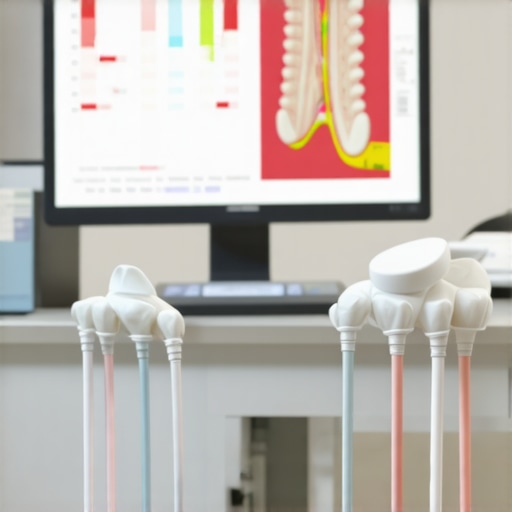
How do I maintain my dental restorations over the long haul?
Consistency is your best friend here. I recommend a ‘maintenance audit’ every six months. Ask your dentist specifically to check the ‘occlusal contacts’ of your crown during your cleaning. Mouths change—teeth shift slightly over time, especially if you have had invisalign myths debunked and aren’t wearing your retainer. If you notice why your crown feels sensitive to cold months after it was placed, it might be a sign that your bite has shifted and the crown is taking too much force again.
The future of perfect bites is digital
Looking ahead, I see AI-integrated scans becoming the standard. We are moving toward a world where how invisalign transforms family dentistry in 2025 is just the beginning; soon, an app might analyze your jaw movement via your phone’s camera to predict when a crown needs a tweak before it even hurts. This proactive approach is a cornerstone of choosing the right crown expert advice for long-lasting results. Don’t wait for a crack to appear. My advanced tip for you today: next time you are in the chair, ask your dentist if they use digital occlusal scanning (like T-Scan) rather than just the blue paper. It is a game-changer for your comfort. If you have any questions about how your bite feels after a procedure, contact us to get a professional evaluation.
The Hardest Lesson I Learned About New Crowns
The most important thing I realized is that “toughing it out” is the enemy of healing. Your teeth are part of a complex system, and a single high spot can trigger a domino effect of muscle tension and nerve inflammation. I learned that being vocal about a tiny discomfort on day two saves me from a massive headache on day ten. Also, never underestimate the power of your periodontal ligament; it is a living shock absorber, not just a socket. Treat it with respect by ensuring a balanced bite from the start.
My Essential Toolkit for Post-Crown Comfort
To keep my dental work in top shape, I rely on a few specific things. First, an electric water flosser is non-negotiable for cleaning that crown margin where bacteria love to hide. Second, a custom-fitted night guard is the best insurance policy you can buy for your porcelain restorations. Third, I always check the ultimate guide to crowns for a healthier smile whenever I have a question about maintenance. Finally, I highly recommend finding a practitioner who uses digital bite analysis, as it offers a level of precision that traditional methods often miss, which is a key part of choosing the right crown expert advice for long-lasting results and protecting your oral health.
Take Charge of Your Smile Today
Don’t let a “tall” tooth ruin your day or your long-term health. Knowing exactly what to do when your crown feels taller than your other teeth empowers you to speak up at the dentist and get the adjustment you deserve. Your smile is an investment in your confidence and your quality of life. By staying proactive and using family dentistry secrets maintaining oral health with modern techniques at 254 pm, you can ensure your bite stays perfect for years to come. If you’re still feeling uneasy about your alignment, do not hesitate to contact us for a second look. Have you ever had a crown that felt just a little bit ‘off’ after you left the office? Let me know in the comments how you handled it!