
How to safely whiten teeth if you have naturally thin enamel
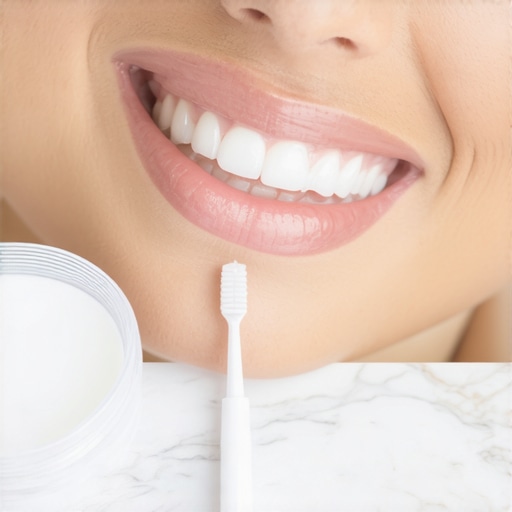
I spent years looking at my reflection and wondering why my teeth looked more see-through than pearly white. In my early twenties, I made a massive mistake: I thought more was better. I used extra-strength whitening strips every single day for a week, ignoring the minor twinges of pain. By day four, I couldn’t even drink room-temperature water without wincing. My enamel was naturally thin, and I was basically sandblasting my teeth with acid. It was a visceral, painful realization that my DIY dental experiments were doing more harm than good. I wanted the confidence of a bright smile, but I was on the fast track to needing restorative crowns just to protect my exposed nerves. Today, I’m going to show you that you do not have to choose between a bright smile and a pain-free life. We are going to walk through the exact, gentle methods I have used to brighten my own smile without eroding what is left of my precious enamel.
Stop Blasting Your Teeth with Harsh Chemicals
We live in a world of filtered photos and blindingly white veneers, but if you have thin enamel, you are playing by a different set of rules. Enamel is the hard, protective outer layer of your teeth, and unlike a scraped knee, it does not grow back. When it is thin, the yellowish dentin underneath shows through more easily, which often makes us want to scrub even harder. Many people jump straight to harsh abrasives, but the truth about charcoal toothpaste and your tooth enamel is that it can act like sandpaper, wearing down the very layer you are trying to keep. I have found that it is far better to focus on pH-balanced options and the safest way to use an electric toothbrush on sensitive teeth to maintain brightness without the lightning-bolt zings of sensitivity.
Can you actually get results without the pain?
This is the biggest fear I hear from my neighbors and friends. If your enamel is already thin, adding chemicals seems like a recipe for disaster. However, it is not about bleaching the life out of your teeth; it is about managed brightening. According to the American Dental Association, the safety of whitening is highly dependent on the concentration of the whitening agent and the duration of contact. For us thin-enamel folks, we have to prioritize the difference between professional whitening and store-bought strips because professional oversight ensures your gums and thin spots are protected. Have you ever had that sharp sensation after trying a whitening product at home? Let me know in the comments; I want to know I am not the only one who learned the hard way! The key is to move away from high-concentration peroxide and toward remineralizing agents. Using family dentistry secrets like hydroxyapatite-based pastes can actually help plug those microscopic pores that cause sensitivity while slowly lifting surface stains. We are not going for a fake, fluorescent look; we are going for your healthiest, brightest natural shade.
Build Your Brightness Without the Burn
Think of your teeth like a delicate piece of heirloom jewelry. If you scrub them with a wire brush, they’ll lose their luster forever. Instead, you need to polish them with intention. The first concrete step I took was switching from abrasive ‘whitening’ pastes to a remineralizing regimen. For those of us with thin enamel, our teeth are like porous sponges. We need to fill those pores before we can safely lighten the shade. I remember the first time I used a ‘high-potency’ whitening gel I bought off a late-night ad. Within ten minutes, I felt a searing heat on my upper gum line. When I pulled the tray out, my gums were ghostly white and felt like they were made of paper. That was the day I realized that the difference between professional whitening and store-bought strips isn’t just the price tag—it’s the physical safety of your mouth’s ecosystem. Seeing why your gums look white after using whitening strips was the wake-up call I needed to stop the DIY madness and look for the easiest way to whiten teeth when you have sensitive gums.
Trade the Sandpaper for Remineralizing Power
The secret is to use products that contain hydroxyapatite or high-concentration fluoride. These substances act like a liquid ‘patch’ for the micro-cracks in your enamel. I started using a remineralizing paste twice a day, and for the first two weeks, I didn’t even think about whitening. I was just focused on rebuilding the shield. By the third week, my teeth felt less ‘fuzzy’ and more solid. This is the foundation. If you try to whiten a tooth that has unprotected nerves, you’re basically inviting a lightning strike into your jaw. 
Lighten Your Touch with Your Toothbrush
It sounds counterintuitive, but the harder you brush, the yellower your teeth will get because you are scrubbing away the white enamel and exposing the yellow dentin. I had to relearn how to brush. If you are using an electric brush, you shouldn’t be ‘scrubbing’ at all; you should be guiding. Learning the safest way to use an electric toothbrush on sensitive teeth changed my morning routine from a chore into a therapeutic ritual. I also realized that the best time of day to brush for maximum enamel protection is actually before breakfast or at least 30 minutes after eating, especially if you’ve had acidic fruit or coffee.
Save Your Smile from the Acid Attack
You don’t have to give up your morning latte, but you do have to change how you handle the aftermath. Acid softens enamel, and if you brush immediately after drinking coffee or wine, you’re literally brushing your enamel away. I started using the trick to getting red wine off your teeth without ruining the enamel—which involves a simple water rinse and a fibrous snack like celery—to keep stains from setting. For daily habits, focus on how to prevent your coffee habit from ruining your new veneers or natural teeth by using a straw and rinsing immediately. These small, direct actions create a buffer that allows your teeth to stay bright without needing the harsh chemicals that caused me so much pain in the past.
Your Crown Is Not Just a Decorative Cap
Most people assume that once a crown is seated, the tooth is ‘saved’ forever. But here is the nuance: a crown is a functional prosthetic that interacts with your jaw every time you bite down. If the fit is even a fraction of a millimeter off, your body will let you know in strange ways. For instance, you might notice the specific reason your crown feels tall when you wake up is often due to nocturnal clenching that compresses the periodontal ligament. I used to think I just had to ‘get used’ to it, but that is a dangerous trap. Ignoring a crown that feels high can lead to persistent inflammation or even jaw joint issues. 
Why does your bite feel weirdly high only when you first wake up?
This is a sophisticated question I get from readers who have spent time in the dental chair. When you lie down, the blood flow to your head increases, and if you are a habitual grinder, you are putting immense pressure on that new restorative work. If you find yourself wondering how to manage a crown that feels sensitive to air or cold liquids, it might not be the crown itself, but the way your bite is distributing force. This is why crowns are a game changer in restorative dentistry only when they are perfectly calibrated to your natural occlusion.
The Invisalign Secret That Has Nothing to Do with Vanity
Everyone talks about clear aligners as a way to look better in selfies. However, in the world of family dentistry secrets, the real value of Invisalign is periodontal health. According to a study published in the American Journal of Orthodontics, misaligned teeth are significantly harder to clean, leading to a higher risk of localized gum disease regardless of how often you floss. Straightening your teeth is not about vanity; it is about creating a ‘cleanable’ environment for your gums. I have seen many invisalign myths debunked lately, but the most common one is that it is an optional cosmetic luxury. In reality, it is a preventative health tool.
The Whitening Trap You Have Not Considered
Here is the ‘oops’ factor that almost ruined my own smile. If you have any restorative work—like a crown or a composite filling—whitening strips will not change their color. I once applied high-strength gel over my front teeth, forgetting I had a small filling on my lateral incisor. The natural tooth lightened, but the filling stayed dark, leaving me with a patchy, ‘checkerboard’ smile. This is the danger of using whitening strips on a tooth with a filling that many DIY enthusiasts overlook. Have you ever fallen into this trap or experienced a crown that just did not feel right? Let me know in the comments; your experience could help someone else avoid a painful mistake.Maintaining your smile after the initial investment is where most people lose the battle. I learned quickly that whether you are wearing clear aligners or have a mouth full of porcelain, the ‘standard’ routine just doesn’t cut it. To keep everything functioning, I had to upgrade my toolkit from a basic toothbrush to specific gear that preserves my enamel and my restorations. I’ve realized that the tools you use define whether your dental work lasts five years or twenty. I personally use an ultrasonic cleaner for my retainers because scrubbing them with a toothbrush actually creates micro-scratches where bacteria hide. This is the best way to clean your retainers without using harsh chemicals that could cloud the plastic over time. If you’re currently in treatment, understanding how invisalign transforms family dentistry in 2025 means realizing that maintenance technology is evolving just as fast as the aligners themselves.
Stop Fumbling with Floss and Get a Water Flosser
If you have a crown, you know the anxiety of feeling a piece of steak get wedged in that tiny gap. Traditional floss can sometimes snag or even pull on the margins of a crown if you aren’t careful. I switched to the Waterpik Ion, a compact, cordless water flosser that allows me to flush out debris without the mechanical stress of string floss. It is essential for the best way to clean around a dental implant bridge to avoid inflammation and keep your gums healthy. According to a study led by Dr. Gorur in the Journal of Clinical Dentistry, water flossers removed 99.9% of plaque from treated areas compared to traditional manual brushing. By using pulsating water, you’re effectively power-washing the base of your restorative crowns where bacteria like to congregate. 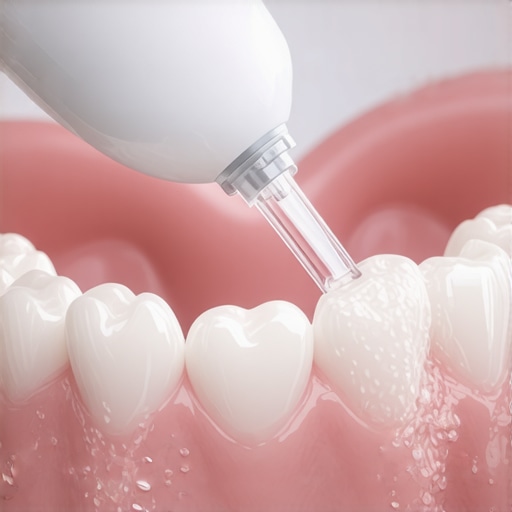
How do I maintain my dental work over the next decade?
The key is consistency and the right chemicals. I’ve moved away from any paste that contains silica or high abrasivity. Instead, I look for family dentistry secrets like nano-hydroxyapatite serums that actually ‘re-seal’ the teeth daily. If you are choosing the right crown expert advice for long lasting results, you’ll find that they always emphasize the health of the surrounding gum tissue. I also recommend a high-quality night guard if you show any signs of clenching, as this protects both your natural enamel and your expensive porcelain from fractures.
The Future of Your Smile is Digital and Proactive
Looking ahead, I predict we are moving toward ‘smart’ oral health where AI-driven sensors in our toothbrushes will alert us to acidic spikes in our saliva before they even have a chance to erode our enamel. We will see more home-based scanning tools that allow us to send a quick video to our dentist to check for top oral health tips for your familys bright smiles without needing an office visit for every minor concern. This shift from reactive to proactive care is what will allow us to keep our natural teeth for a lifetime. My challenge to you: replace your manual floss with a high-quality water flosser for just 30 days and watch your next dental check-up become the easiest one you’ve ever had.
The Costly Lessons My Teeth Taught Me the Hard Way
Looking back at my early dental mishaps, I realized that my quest for a ‘perfect’ smile was actually a fight against my own biology. The most vital lesson I learned is that white teeth aren’t always healthy teeth, especially if you have naturally thin enamel. First, I learned that ignoring the ‘zing’ of sensitivity is like ignoring a fire alarm; your body is telling you that you are over-bleaching. Second, I discovered the danger of using whitening strips on a tooth with a filling or a crown, which can lead to an uneven, mismatched look that is much harder to fix later. Lastly, I realized that those mysterious white spots on your teeth after braces are often areas of demineralization that need gentle rebuilding, not harsh scrubbing. My lightbulb moment was realizing that true brightness comes from the health of the enamel, not the strength of the chemicals.
The Survival Kit My Enamel Swears By
To maintain my results without the burn, I have narrowed down my toolkit to a few non-negotiables. I personally trust a high-quality water flosser over traditional string because it reaches the margins of my dental work without tugging. I also rely on nano-hydroxyapatite serums to ‘re-seal’ my teeth every night, which has been a total game-changer for my sensitivity levels. If you are looking for long-term success, I highly recommend choosing the right crown expert advice for long lasting results so that your restorations feel natural from day one. Additionally, following top oral health tips for your familys bright smiles, like using pH-neutral rinses after coffee, can prevent stains from setting without requiring you to use abrasive pastes every morning.
Your Smile Is a Story Worth Telling
At the end of the day, your teeth are a functional part of your health, not just a cosmetic feature. Don’t be afraid to take the slow road to a brighter smile. Whether you are curious about how invisalign transforms family dentistry in 2025 or you are just trying to find a toothpaste that doesn’t make you wince, remember that consistency always beats intensity. Your oral health is an investment that pays off every time you laugh without hesitation. Have you ever tried a whitening product that felt a little too ‘powerful’ for your comfort? Let me know in the comments below!