
How to manage a chipped front tooth on a weekend
It happened at 2:00 PM on a Saturday. I was biting into a piece of artisanal sourdough—the kind that’s mostly crust and ego—when I heard it. A sharp, crystalline click. My tongue immediately found the jagged crater where my smooth incisor used to live. My dentist was closed, and I felt that immediate, cold sink in my stomach. I’ve been there, staring at the bathroom mirror, wondering if I’d ever smile normally again. Today, I am going to share the exact steps to stabilize a chipped front tooth so you do not end up making the situation worse before Monday morning.
Stop the Panic and Check the Damage
The first thing I did—and the biggest mistake you can make—was trying to ‘smooth it out’ myself with a metal nail file. I thought I was being clever. I was not. I was just stripping away enamel that I would eventually need for a proper repair. If you are currently running your tongue over a sharp edge, your priority is protection, not a DIY dental degree. You need to know how to stop a sharp tooth from cutting your tongue before you start worrying about the aesthetics. Did you know that the specific food that cracks more teeth than anything else isn’t always what you would expect? It is often the simple, everyday snacks that catch an older filling off guard. According to the American Association of Endodontists, nearly five million teeth are knocked out or chipped each year, but the way you handle the first sixty minutes determines if you will need a simple filling or a full crown for a healthier smile.
Is this actually a real emergency?
You might be wondering if you can just ignore it until your next cleaning. If there is no pain, it is tempting to wait. But a chip is more than a visual fluke; it is a breach in your tooth’s armor. Have you ever had a sudden dental mishap on a weekend? I would love to hear how you handled that initial ‘oh no’ moment. We are going to look at how to seal that sensitive spot and what to eat until you can get into the professional chair. Learn more about maintaining oral health with modern techniques to prevent these surprises in the future.
Rinse gently and save the pieces
Your first instinct is probably to poke the gap with your finger, but stop. You need to clear the debris without irritating the nerve. I used lukewarm salt water—about half a teaspoon of salt in a cup of water—and swished very softly. This isn’t just about hygiene; it is about visibility. If you can find the piece of tooth that broke off, put it in a small container of milk. I once spent twenty minutes on my hands and knees in a restaurant looking for a shard, only to find it later in my napkin. Keeping that piece moist can sometimes help the dentist reattach it, though a crown for a healthier smile is more likely for larger breaks.
Shield your tongue from the jagged edge
If you do not have dental wax, sugar-free chewing gum is a desperate but effective temporary fix. You just need a buffer. I remember trying to use a tiny piece of medical tape during a wedding—it was a disaster and lasted through exactly one sip of champagne. Now I keep a packet of orthodontic wax in my travel kit. It works like a soft cushion, preventing that razor blade feeling against your cheek. If the edge is really sharp, you need to know how to stop a sharp tooth from cutting your tongue to avoid painful ulcers that take a week to heal. 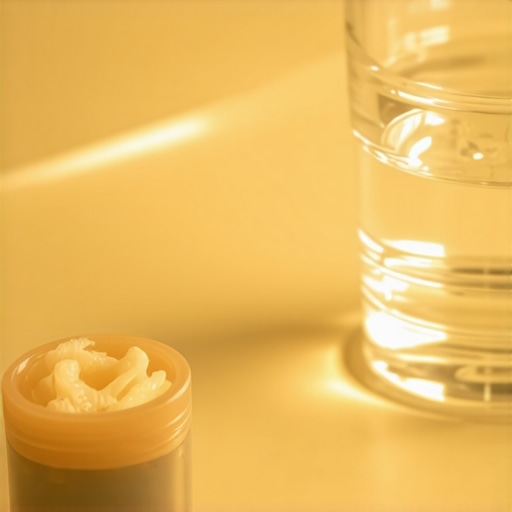
Seal the breach with a temporary kit
Most pharmacies carry over-the-counter dental repair kits. These are not permanent, but they act as a bandage for your enamel. Think of your tooth like a thermos: the hard outer shell keeps the sensitive inner coffee—the nerve—protected. When you chip it, you have basically cracked the lid. Applying a small amount of temporary filling material can stop the agonizing zing you feel when breathing in cold air. If you are sensitive to temperatures now, you might find managing a crown that feels sensitive to air will be a similar process later on.
Eat like a toddler until Monday morning
This is the part people ignore. Even if you have sealed the tooth, do not test it. I once made the mistake of thinking it was just a small chip and tried to eat a toasted bagel the next morning. The pressure caused the crack to propagate further down toward the root. Stick to yogurt, mashed potatoes, and smoothies. If your chip happened because your teeth are crowded or misaligned, you might want to look into Invisalign vs braces to fix the underlying structural issue. Modern maintaining oral health with modern techniques allows for much faster repairs than they did ten years ago, but only if you do not break the tooth further in the meantime.
Watch for the warning signs of infection
If the chip is deep enough to expose the red or pink pulp, you are in a race against bacteria. A dull ache is one thing, but a throbbing pain that keeps you awake requires an emergency visit. Understanding how to tell if that dull ache is a cavity or sinus pressure can help you distinguish between a routine chip and a real pulp emergency. If it feels high when you bite down, do not force it, as this can lead to further trauma.
The dangerous myth of the painless chip
Everyone assumes that if a chipped tooth doesn’t hurt, it is not an emergency. In my experience, waiting for pain is the most expensive mistake you can make. A small break in the enamel creates a gateway for microscopic bacteria to enter the dentin, the softer layer beneath. According to a study published in the Journal of the American Dental Association (JADA), even minor fractures can harbor biofilm that leads to internal decay long before the nerve sends a distress signal. By the time you feel that zing, you might have moved past a simple composite bonding and into the territory of choosing the right crown for long-lasting results. Have you ever fallen into this trap of waiting for the pain to start before calling the clinic? Let me know in the comments.
Why does my new crown feel tall when I wake up?
This is a sophisticated nuance that many patients miss. If you just had a repair, you might notice the specific reason your crown feels tall when you wake up relates to nocturnal grinding rather than the dentist’s work. During the day, your brain adjusts your bite to avoid high spots, but at night, that protective mechanism vanishes. If you feel a ‘high spot’ in the morning, it can lead to ligament inflammation. You need to know how to stop your new crown from feeling too high when you chew to prevent the tooth from becoming mobile or fractured further down the line. 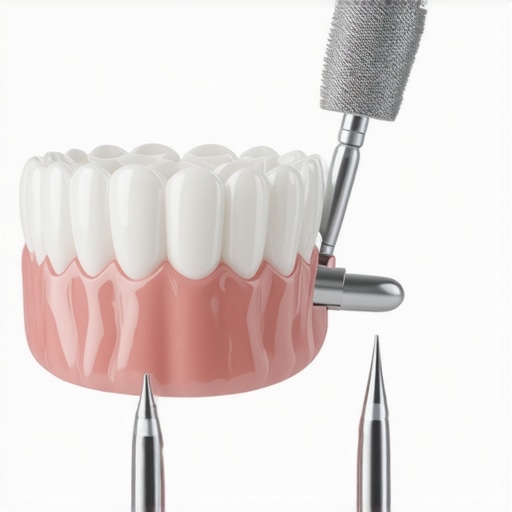
Avoid the trap of thinking straight teeth are healthy teeth
When it comes to family dentistry, a common ‘oops’ factor is focusing solely on aesthetics. Many people seek Invisalign vs braces just for the straight smile, but the real benefit of alignment is preventing future chips. Crowded teeth create ‘interference points’ where your upper and lower teeth collide like tectonic plates. This mechanical stress is why some people experience why your crown feels sensitive to cold months after it was placed; it is often not the temperature, but the trauma of an improper bite. To avoid these surprises, look into maintaining oral health with modern techniques that prioritize occlusion—the way your teeth meet—over just how they look in a selfie. If you are already in treatment, keep an eye on Invisalign myths debunked to ensure you aren’t accidentally compromising your enamel while trying to fix your smile.
Upgrade your bathroom counter for better defense
Once you have that chip repaired, you enter the ‘protection phase.’ I used to think a manual brush was fine until my dentist showed me the micro-fractures I was causing by scrubbing too hard. Now, I exclusively use a pressure-sensing electric toothbrush. It is a game-changer because it literally stops vibrating if you press too hard, which is the safest way to use an electric toothbrush on sensitive teeth. For those of us with work done, whether it is a bridge or a crown, I also recommend a water flosser. It is much more effective at flushing out debris from tight spots without the risk of ‘sawing’ at your gumline. If you have a bridge, you need to know how to tell if your dental bridge is trapping food to prevent decay under the hardware. 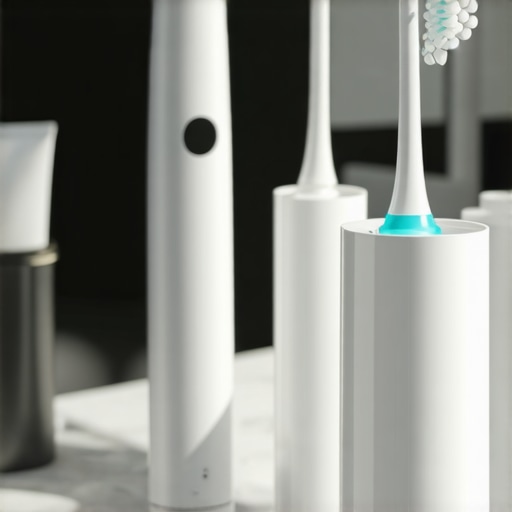
How do I keep my repairs looking new for a decade?
Maintenance isn’t just about brushing; it is about the chemicals you use. I have seen so many people ruin expensive composite bonding by using abrasive whitening pastes. Dr. Gordon Christensen, a leading researcher in clinical dentistry, emphasizes in the Clinicians Report that the survival rate of restorative materials is significantly impacted by the patient’s daily habits and the acidity of their oral environment. If you wear a protector at night, you must learn how to clean a night guard that has started to smell like vinegar, as that bacteria buildup can actually weaken your tooth’s enamel over time. I also swear by the ‘pre-rinse’ method—swishing with water after every cup of coffee to prevent the edges of a repair from staining. This is part of the family dentistry secrets to maintaining oral health with modern techniques that keep your smile bright without constant professional touch-ups.
The end of the messy dental impression
If you are looking toward the future, the ‘goop’ is going away. We are moving toward a world where every chip is mapped in seconds using 3D intraoral scanners. These Invisalign innovations mean that if you ever break a tooth again, your dentist might already have a perfect digital blueprint on file to 3D-print a replacement in under an hour. This precision reduces the need for manual adjustments and helps in choosing the right crown for long-lasting results. In the coming years, I predict we will see smart-sensors integrated into crowns that can alert your phone if they detect a crack or an infection before you even feel it. For now, focus on the fundamentals. If your teeth are tight, use the best strategy for flossing when your teeth are tightly crowded to ensure you aren’t leaving plaque behind that could compromise your new dental work. If you are dealing with implants, make sure you know the best way to clean around a dental implant bridge. My best advice? Buy a water flosser tonight and use it for sixty seconds before you brush; you will be amazed at what your regular floss was missing.
What I learned while staring at my broken smile
The most surprising lesson was that a chip is rarely just a freak accident; it is often a warning sign about how your teeth interact. I realized that my sourdough incident was actually the result of years of ignoring how my bite was aligned. One thing no one tells you is that your tongue has a memory; even after the tooth is fixed, you will find yourself subconsciously checking the spot for weeks. I learned to use this as a biofeedback mechanism—if I felt myself poking the repair, it was usually a sign I was clenching my jaw due to stress. Don’t trust the lack of pain—enamel doesn’t have nerves, but the dentin underneath is porous and vulnerable. Also, if you use a temporary repair kit, avoid foods with turmeric or heavy dyes; that temporary material stains much faster than natural enamel, and you could end up with a discolored spot before your Monday morning appointment.
The three essentials I keep for dental emergencies
I never leave home without a small container of orthodontic wax; it is the difference between a minor annoyance and a shredded cheek. I also highly recommend checking the top oral health tips for your family’s bright smiles to build a preventative routine that strengthens your enamel from the inside out. Finally, switching to a pressure-sensing brush is non-negotiable for protecting new dental work—it is the safest way to use an electric toothbrush on sensitive teeth without wearing down your repair. These tools ensure that once your smile is back to 100%, it stays that way for years to come.
Your path back to a confident smile
It is easy to feel defeated when you see a jagged edge in the mirror, but remember that modern family dentistry trends improving oral health for all ages mean your fix will likely be stronger and more natural-looking than the original tooth ever was. Whether you need a simple composite bond or a full restoration, understanding why crowns are a game changer in restorative dentistry will help you make the right choice for your long-term oral health and confidence. Don’t wait for a dull ache to turn into a major infection—reach out to your clinic today to get a professional evaluation. Have you ever had a chipped tooth happen at the worst possible moment, like right before a wedding or a big vacation? Let me know how you handled it in the comments below.