
How to tell if your dental bridge needs to be replaced
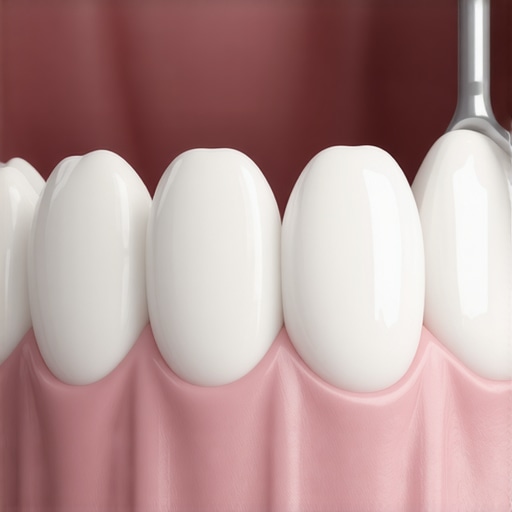
I remember biting into a simple piece of sourdough bread—not even the crusty part—and feeling a tiny, sickening thwack against my gum. It wasn’t pain, not yet. It was just a subtle sensation that something wasn’t quite anchored the way it used to be. My dental bridge, which had been a faithful companion for nearly a decade, was suddenly sending me a SOS signal. I ignored it for weeks, telling myself I was just being paranoid. That was my first big mistake. By the time I finally saw a professional, the underlying teeth had started to suffer. I learned the hard way that when it comes to restorative dentistry, your gut feeling is usually right. If you are sitting there right now, tongue-testing a bridge that feels just a little ‘off,’ this is for you. We are going to break down exactly how to tell if your bridge is failing, from the phantom smells to that annoying trapped debris, so you can save your smile before it becomes an emergency.
Have you ever noticed a strange sensation while chewing your favorite meal, or are you just worried your dental work has reached its expiration date?
Stop Ignoring That Weird Feeling in Your Smile
Dental bridges are incredible tools for restoring confidence, but they aren’t permanent fixtures like your original teeth. Even the most meticulously placed bridge from a family dental expert eventually succumbs to the literal daily grind. One of the most common early warnings I missed was how often I was struggling with getting sticky food out from under the bridge. It started as a minor annoyance but quickly turned into a sign that the seal between the prosthetic and my gum line was degrading. According to the American College of Prosthodontists, while bridges can last a significant amount of time, the typical lifespan ranges from 5 to 15 years. If you’re hitting that ten-year mark, your bridge is officially a veteran, and it is time to start paying closer attention.
Is a decade-old bridge actually a ticking time bomb?
The fear of a massive dental bill or a painful procedure often makes us want to look the other way. You might think, ‘It doesn’t hurt, so why fix it?’ But here’s the reality: a failing bridge often hides decay underneath. If you’ve noticed a bad smell when you floss or if you suspect you are trapping food more than usual, the structure is likely compromised. Waiting until it falls out or causes an infection is a recipe for disaster. If you’re feeling that familiar pang of anxiety about your dental work, don’t wait for the ‘thwack’ I felt. Reach out to a professional through our contact page to get an evaluation before a simple replacement turns into a complex extraction.
Check the Seal with This 30-Second Mirror Routine
The first thing you need to do is become an investigator of your own mouth. Take a flashlight and a small mirror—the kind with magnification works best—and look at where the bridge meets your gums. You are looking for ‘margins.’ If you see a tiny gap, or if your tongue can feel a ledge that wasn’t there before, the cement has likely started to wash away. This is exactly how the move to stop a crown from trapping food every time you eat steak becomes a daily chore rather than a rare event. When that seal breaks, bacteria move in like unwanted houseguests. I once spent a whole summer thinking a bit of sensitivity to my morning brew was just aging, but it turned out to be why your crown feels sensitive to cold months after it was placed—the bridge was leaking, and the nerve was screaming for help. Don’t wait for the pain to become a throbbing pulse; if you can ‘click’ the bridge by pushing on it with your tongue, the structural integrity is already gone.
Flush Out the Decay Before it Hits the Root
Standard flossing isn’t enough when you have a bridge; you need to treat the space underneath like a high-traffic tunnel that needs regular pressure washing. Use a floss threader or a dedicated interdental brush to get into the ‘pontic’ area (the fake tooth). If you skip this, you’re essentially leaving a petri dish in your mouth. 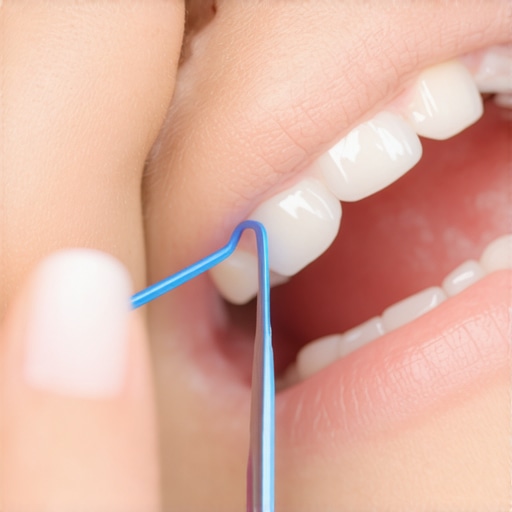 I remember a specific Tuesday when I was rushing to a meeting and skipped my bridge-cleaning routine because I was out of threaders. I figured one day wouldn’t hurt. That one day turned into a week, and by Friday, the area was so inflamed I couldn’t even chew on that side. This lack of maintenance is the leading cause of bridge failure. You have to learn the best way to clean around a dental bridge to avoid inflammation because once the gums recede from infection, the bridge loses its foundation. Think of your gums as the soil around a fence post; if the soil washes away, the post—no matter how strong—is going to topple.
Decide If a Single Crown is the Better Long-Term Play
Sometimes, the best way to handle a failing bridge isn’t to patch it up, but to reconsider the architecture of your smile. If the ‘anchor’ teeth (the ones holding the bridge) are still strong, you might find that choosing the right crown expert advice for long-lasting results leads you toward individual crowns or even an implant instead. A bridge essentially ties three or more teeth together; if one fails, they all fail. By switching to the ultimate guide to crowns for a healthier smile, you allow each tooth to stand on its own, making it much easier to clean and much harder for a single cavity to take down your whole dental investment. When I finally made the switch, the relief of being able to floss between every single tooth again was life-changing. It felt less like a prosthetic and more like my natural mouth again. Check your bridge for any grey shadows near the gumline—this often indicates that the metal structure inside is becoming exposed or that decay is thinning the natural tooth underneath.Let’s dig deeper into a common misconception: the idea that once a tooth is capped or bridged, it is ‘safe.’ Many patients believe that because the porcelain itself can’t decay, the dental work is basically indestructible. This is a massive trap in family dentistry. In reality, the margin—the tiny line where the crown meets your natural tooth—is actually more vulnerable to plaque than a natural tooth ever was. If you aren’t obsessive about top oral health tips for your family’s bright smiles, bacteria will find that microscopic seam and tunnel underneath. It’s not just about decay, though; it’s about the silent mechanics of your bite that most people never consider.
Why a ‘tall’ crown is more than just a minor annoyance
Have you ever had a new crown placed and felt like it hit the upper tooth just a millisecond before the others? This is often dismissed as something you’ll ‘get used to,’ but that is a dangerous mistake. This sensation is the specific reason your crown feels tall when you wake up or when you’re chewing. If the alignment is off by even a fraction of a millimeter, every bite you take sends a shockwave into the root. This ‘occlusal trauma’ can actually loosen the tooth or crack the porcelain over time. According to a study published in the Journal of Oral Rehabilitation, even minor occlusal interferences can lead to accelerated wear of the prosthetic and localized bone loss. If you feel this, you must learn how to stop your new crown from feeling too high when you chew by requesting a professional adjustment. 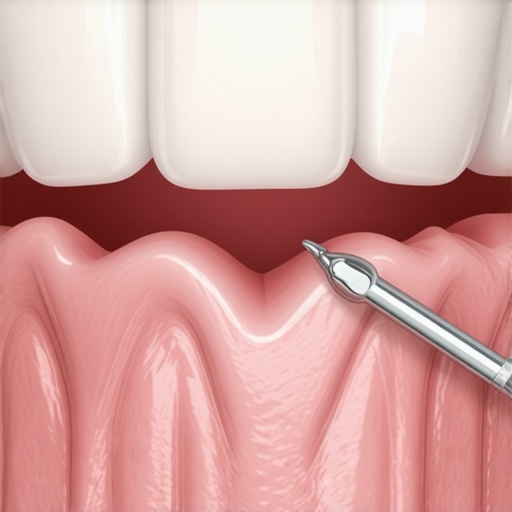
The Secret Link Between Straight Teeth and Restorative Success
We often talk about Invisalign myths debunked as if clear aligners are purely for vanity. However, the nuance most people miss is that straight teeth are the functional foundation for successful restorative dentistry. If your teeth are crowded or misaligned, your bite forces are distributed unevenly. This puts immense pressure on bridges and crowns, causing them to fail prematurely or snap at the gumline. I’ve seen patients spend thousands on the ultimate guide to crowns for a healthier smile only to have them crack because their bite wasn’t corrected first. Moving your teeth into the right position isn’t just about the ‘after’ photo; it’s about creating a stable platform so your dental work lasts fifteen years instead of five.
Does age affect how your mouth handles new restorations?
As we get older, our gum tissue and bone structure naturally change, which can make older dental work feel ‘loose’ or ill-fitting. Many people assume they just need a new bridge, but often the underlying issue is systemic oral health or recession. This is why staying up to date with family dentistry secrets is vital—you need a professional who looks at the architecture of the whole mouth, not just the single tooth that hurts. Have you ever fallen into the trap of thinking a dental fix was a permanent ‘set it and forget it’ solution? Let me know in the comments. If you’re worried about a specific sensation, don’t guess—reach out through our contact page for a professional check-up.
Once you’ve addressed the immediate crisis of a failing bridge or a tall crown, the conversation shifts from ‘fixing’ to ‘preserving.’ I’ve spent years experimenting with different routines, and I’ve learned that the standard ‘brush twice a day’ advice is just the bare minimum for anyone with restorative work. To truly scale your oral health, you need to think like a professional. I personally transitioned to using a cordless water flosser with a specialized ‘orthodontic tip’ twice daily. Why? Because the pulsating water can reach 360 degrees around a bridge pontic in a way that traditional string floss simply cannot. It’s also the safest way to use an electric toothbrush on sensitive teeth when you combine it with a soft-bristle oscillating head that has a built-in pressure sensor. If you are still scrubbing your gums manually, you are likely causing micro-recession that will eventually expose the margins of your expensive dental work.
Why Digital Scans Are Replacing Those Messy Trays
The future of family dentistry trends is moving rapidly toward a completely digital workflow. Gone are the days of biting into a tray of cold, gag-inducing goop. Today, high-resolution intraoral scanners create a 3D map of your mouth that is far more accurate than any physical mold. This is one of the many Invisalign innovations that have trickled down into general restorative care. I predict that within five years, physical impressions will be obsolete in premium practices. According to The Journal of Prosthetic Dentistry, digital impressions result in a significantly better marginal fit for crowns, which is the number one factor in preventing secondary decay. When your crown fits better at the microscopic level, there are fewer places for bacteria to hide. #IMAGE_PLACE_HOLDER_D#
How do I maintain my dental restorations over time?
Maintenance is about consistency and the right chemicals, not just mechanical cleaning. I recommend a pH-neutralizing mouthwash rather than a generic alcohol-based one. Many people don’t realize that a dry mouth is the enemy of a long-lasting bridge. This is a key part of family dentistry secrets: if your saliva flow is low, your natural buffering system is gone. If you’ve been curious about the hidden benefits of Invisalign, one of the biggest is that it makes your teeth easier to clean, which protects the longevity of every other piece of dental work in your mouth. To truly take control, try this advanced tip: use a 1.1% neutral sodium fluoride gel at night—just a tiny drop around your bridge margins—to remineralize the natural tooth structure that sits under the porcelain.
Three Hard Truths I Learned from My Own Dental Mishaps
Over the years, I’ve realized that the most expensive dental work isn’t the one you pay for upfront—it’s the one you have to redo because you ignored the early warning signs. First, the idea of a ‘maintenance-free’ bridge is a total myth; you actually have to be more diligent with a prosthetic than you ever were with your natural teeth. Second, your bite is a dynamic, living system. If your teeth shift, your bridge will eventually fail under the uneven pressure, which is why I now see the hidden benefits of Invisalign as a structural necessity rather than just a cosmetic luxury. Finally, I learned that pain is a late-stage symptom. By the time a bridge actually hurts, you are often looking at a complex extraction rather than a simple, affordable repair.
The Essential Gear That Keeps My Smile Intact
I don’t leave my oral health to chance anymore, and neither should you. Here is the minimalist toolkit I personally use to keep my margins clean and my gums healthy. I swear by a cordless water flosser because it is the only way to truly flush out the ‘no-man’s land’ under a bridge pontic without shredding your gums. I also rely on pH-neutralizing oral rinses; keeping your mouth’s acidity in check is one of those family dentistry secrets that prevents the bacteria that cause secondary decay from ever taking hold. Lastly, I always look for a provider who uses digital scanning for their restorations. Following choosing the right crown expert advice for long-lasting results means prioritizing the microscopic accuracy of a digital fit over the messy convenience of old-school molds.
Don’t Settle for a Smile That Feels Temporary
Your dental work should give you freedom, not constant anxiety about what you can or cannot eat at a dinner party. If you’ve been living with a bridge that feels loose, a lingering bad taste, or a crown that just doesn’t sit right, remember that modern restorative dentistry has evolved to be more durable and comfortable than ever before. You have the power to transform your smile into something that feels as natural and strong as your original teeth. Don’t wait for the sickening ‘thwack’ of a failure—take control today by checking in with a professional through our contact page. You deserve to chew, laugh, and live with absolute confidence again.
Have you ever noticed a strange smell or a sudden ‘tall’ feeling with your bridge or crown? Let me know your experience in the comments below!