
The reason your gums throb after a long workout
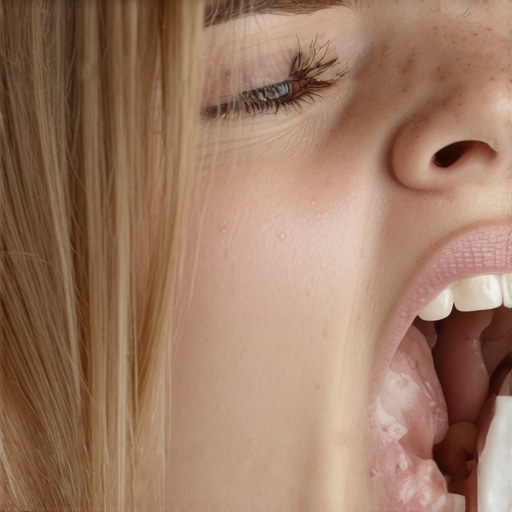
I remember one specific Tuesday after a particularly grueling HIIT session. I had just crushed my personal record, but as I sat on the locker room bench, a rhythmic, pounding sensation started behind my upper teeth. It wasn’t my heart—it was my gums. Every heartbeat felt like a tiny hammer hitting my jawline. At first, I panicked. I thought my [oral health](https://familydentistpro.com/family-dentistry-secrets-maintaining-oral-health-with-modern-techniques-at-254-pm) was failing or that a hidden cavity was finally making its move. It’s a visceral, distracting pain that makes you want to skip the gym entirely. Today, I want to share exactly why this happens and how I managed to keep my fitness goals without sacrificing my comfort.
Stop Panicking About That Pulse in Your Mouth
The first mistake I made was assuming the throbbing meant I needed an emergency [dental crown](https://familydentistpro.com/the-ultimate-guide-to-crowns-for-a-healthier-smile) or major surgery. I spent weeks over-brushing and stressing out, which honestly just made my mouth more sensitive. The reality is that when we push our bodies, our blood pressure spikes, and if you have even a hint of inflammation in your gums, that increased blood flow makes itself known. I learned the hard way that my habit of clenching my teeth while lifting was a major culprit. If you have ever noticed [the reason your jaw feels tight after a long flight](https://familydentistpro.com/the-reason-your-jaw-feels-tight-after-a-long-flight), you know how stress manifests in the mouth. During a workout, that same tension combined with heavy mouth-breathing dries out your tissues, making everything feel raw and sensitive. According to the American Dental Association, chronic mouth breathing during exercise can reduce saliva flow, which is our natural defense against the bacteria that cause gum inflammation.
Is this throbbing actually worth the hype?
You might be wondering if you can just ignore it. I tried that. But ignoring the pulse is like ignoring a check engine light. While the throb itself might just be a temporary reaction to your heart rate, it often highlights [the hidden reason your gums bleed even if you floss daily](https://familydentistpro.com/the-hidden-reason-your-gums-bleed-even-if-you-floss-daily). It is your body’s way of saying something is slightly off-balance. For me, it was a wake-up call to look into [top oral health tips for your family](https://familydentistpro.com/top-oral-health-tips-for-your-familys-bright-smiles) and realize I wasn’t hydrating nearly enough during my sprints. Have you ever felt that rhythmic pounding in your teeth after a set of heavy squats? It is more common than you think, and usually, the fix is simpler than a trip to the oral surgeon. We are going to dive into the practical steps to calm that inflammation and keep your smile as strong as your deadlift.
Flush Out the Pressure with Strategic Hydration
When you are mid-sprint, your saliva is like the coolant in a car engine. When it runs dry, everything starts to overheat and friction takes over. Most people wait until they are thirsty to drink, but by then, your gum tissues are already parched and inflamed. I used to make the mistake of drinking only plain water, which didn’t help much when I was losing electrolytes. This lack of mineral balance can actually make your mouth feel more sensitive. I found that if I didn’t stay ahead of the thirst, I would end up with that ‘fuzzy’ feeling on my teeth that usually signals a spike in acidity. You can actually learn how to get rid of the dirty feeling on your teeth at midday by simply timing your water intake better. Now, I take small sips every ten minutes regardless of how I feel, and that rhythmic pounding in my jaw has almost entirely vanished.
How to Stop Gritting Your Way Through a Set
One of the biggest causes of that post-workout toothache is mechanical stress. Think of your teeth as tiny shock absorbers. If you are constantly ‘bottoming out’ those absorbers by clenching your jaw during a heavy lift, you are bruising the periodontal ligament that holds your teeth in place. I remember a specific leg day about six months ago where I was pushing for a new squat max. I was gritting my teeth so hard I could hear my own pulse in my ears. The next day, even drinking cold water hurt. I realized I was putting hundreds of pounds of pressure on my molars. If you have any existing dental work, this is even more dangerous. You need to know how to manage a crown that feels sensitive to air or cold liquids because that extra pressure can actually shift or irritate the tissue around the restoration. I started practicing the ‘tongue-up’ technique—keeping my tongue against the roof of my mouth—which naturally keeps the teeth from touching even when I am straining. It is a simple move to stop your teeth from grinding during a stressful day or a heavy workout.
Master the Art of Nasal Breathing
It sounds simple, but switching from mouth breathing to nasal breathing is a game-changer for oral comfort. When you breathe through your mouth, you are essentially a giant hair dryer for your gums. This evaporates the protective layer of saliva, leaving your gums exposed to bacteria and temperature shifts. This dryness is often the hidden reason your gums bleed even if you floss daily; the tissue becomes brittle and prone to micro-tears. During my HIIT sessions, I used to gasp for air, and my mouth would feel like a desert. By forcing myself to breathe through my nose during the warm-up and early sets, I kept my mouth moist and the ‘throbbing’ never had a chance to start. If you use aligners, this is even more critical, and you should check out how to keep your breath fresh while wearing invisalign trays all day because dry mouth and plastic trays are a recipe for major irritation. Keeping that moisture locked in is the best defense you have against exercise-induced gum pain.Let’s dig deeper into the nuances that even seasoned gym-goers often miss when it comes to their restorative work. Most people operate under the ‘one and done’ philosophy—they get a procedure and assume the problem is solved for life. But let’s challenge that common belief: a dental crown isn’t a shield; it’s a responsibility.
Stop treating your dental crowns like indestructible armor
The biggest ‘Oops’ factor I see with my peers is the assumption that because porcelain can’t decay, the tooth underneath is safe. This is a dangerous trap. I’ve learned that the margin—the tiny seam where your crown meets the gum—is the most critical battlefield in your mouth. If you don’t use the right technique, you might eventually wonder about the reason your crown smells bad when you floss around it. It’s not the crown itself; it’s the trapped bacteria at the seam. According to a study in the Journal of Clinical Periodontology, restorations actually require more meticulous hygiene than natural teeth because the rougher edges of dental cement can attract biofilm faster than smooth enamel. If you are noticing why your gums feel sore after getting a new dental crown, it might be your body reacting to that microscopic accumulation.
Why does my crown smell even when I’m brushing correctly?
It usually comes down to the ‘pocket’ created by the restoration. Standard brushing often skims right over the margin. You have to be intentional. If you feel like your bite is off, you should also look into how to stop your new crown from feeling too high when you chew, because an uneven bite during a heavy workout session can cause the crown to micro-shift, opening up even more space for bacteria. Have you ever fallen into this trap of thinking a crown was a ‘set it and forget it’ solution? Let me know in the comments.
Straight teeth are about more than just a pretty smile
When we talk about the hidden benefits of Invisalign for family dental care in 2025, we often focus on the mirror. But the advanced nuance is mechanical. Misaligned teeth create ‘food traps’ and uneven wear patterns that make that HIIT-induced throbbing worse. Many Invisalign myths debunked focus on the vanity of the treatment, but the reality is that properly aligned teeth are significantly easier to keep clean during those high-intensity weeks. When your bite is balanced, your jaw muscles don’t have to overcompensate, which directly reduces that rhythmic pounding I used to feel in the locker room. If you’re looking for top oral health tips for your family, start by realizing that alignment is a functional necessity, not just a cosmetic choice. Whether you are dealing with a restoration or clear aligners, the key is understanding the ‘hidden’ mechanics of your mouth. For those still on the fence about which path to take, contact us to discuss how to balance your fitness lifestyle with long-term dental stability.
Level up your toolkit for professional-grade results at home
I stopped relying on a manual toothbrush the second I realized it was like trying to clean a high-performance car with a dirty rag. If you want to keep your smile intact through years of HIIT and heavy lifting, you need tools that protect your investment. I personally swear by a sonic toothbrush with a built-in pressure sensor. Why? Because as athletes or high-achievers, we tend to over-apply force. I learned that the safest way to use an electric toothbrush on sensitive teeth is to let the vibrations do the work while the sensor warns you when you’re being too aggressive. This is non-negotiable for anyone with a dental crown, as excessive scrubbing can actually irritate the gum line over time. I also keep a stash of ultrasonic cleaning tablets for my aligners. Don’t fall for the ‘soap and water’ myth; you need something that breaks down biofilm without scratching the plastic. You should definitely master how to clean the gunk out of your invisalign aligners using an ultrasonic bath once a week—it’s a game-changer for clarity and freshness.
How do I keep my dental work looking brand new for decades?
The secret to longevity isn’t just about what you do at the sink; it’s about regular professional calibration. I schedule my cleanings every four months instead of six because my high-protein fitness diet tends to increase plaque buildup. This proactive approach is one of the most effective family dentistry secrets for maintaining oral health. It allows your dentist to check the margins of your dental crowns before a tiny gap becomes a major problem. According to a long-term study published in the Journal of Prosthetic Dentistry, the survival rate of ceramic crowns exceeds 90% over ten years, but only when patients maintain strict hygiene protocols and manage occlusal forces. If you are a grinder, wearing a night guard is the single most important thing you can do to prevent cracking your restorations. For those using aligners, understanding which solution fits your lifestyle means committing to the post-treatment retention phase just as much as the active movement phase.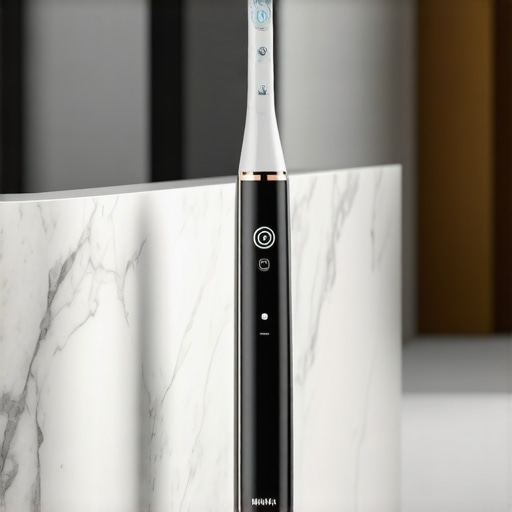
Why the future of dentistry is smarter than you think
Looking ahead, I predict we are moving toward ‘bio-interactive’ dental materials. We are already seeing invisalign innovations that use smart-track material to move teeth more predictably, but soon, our crowns might actually release minerals to strengthen the surrounding tooth. We are entering an era where family dentistry trends will include AI-driven apps that scan your mouth via your smartphone to detect inflammation before you even feel it. This is why I always tell people to look for expert advice for long-lasting results rather than going for the cheapest option. Your oral health is a long game. My challenge to you this week: try the ‘tongue-up’ technique during your next workout and see if that rhythmic pounding in your jaw finally subsides. If you’re ready to modernize your routine, contact us to see how the latest tech can preserve your smile for the long haul.
What My Post-Workout Heartbeat Taught Me About My Gums
Reflecting on those early days of training, I realized that the rhythmic pounding wasn’t just a sign of a good workout; it was a warning. Here are the core truths I discovered: First, your gums are the ultimate biological sensors for systemic inflammation. Second, a dental crown isn’t a permanent shield, but a living interface that needs constant moisture to stay healthy. Third, the way you breathe during a set of squats dictates your oral health more than you might think. Finally, I learned that “powering through” the pain often leads to structural damage that’s far more expensive than a rest day. #IMAGE_PLACEHOLDER_E#
The Essential Toolkit for an Active Smile
I’ve narrowed down my routine to a few non-negotiables that keep my mouth feeling fresh even after a heavy lifting session. I rely heavily on an electric toothbrush with a pressure sensor because it prevents the mechanical wear that often leads to receding gums. I also suggest exploring the hidden benefits of Invisalign for family dental care in 2025 to fix alignment issues that cause uneven wear during training. Lastly, I always keep a high-quality pH-balanced mouth rinse in my bag to neutralize the acidity of heavy mouth-breathing. These tools aren’t just for vanity; they are essential for the longevity of your restorations.
Take the First Step Toward a Pain-Free PR
You don’t have to choose between a peak physique and a healthy smile. By integrating simple habits like nasal breathing and proper clenching management, you can keep that throbbing sensation at bay. Your oral health is the foundation of your overall well-being, and it deserves the same attention you give your macros and your recovery. If you’re unsure about how your current dental work is holding up under your fitness routine, you can always contact us for a personalized assessment based on family dentistry secrets for maintaining oral health. Have you ever felt a weird pulse in your teeth after a hard set? Let me know in the comments below!