
The truth about using charcoal to whiten sensitive teeth
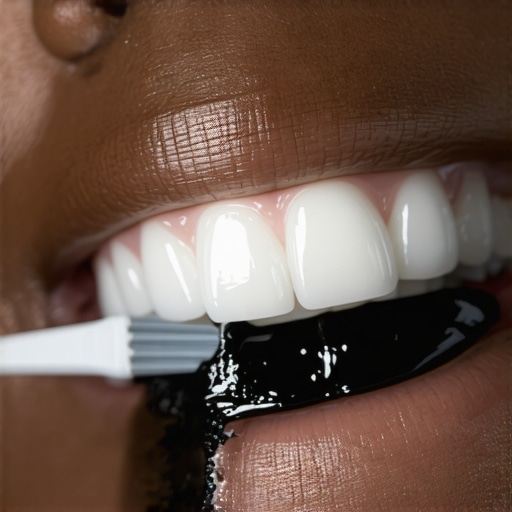
I stood in my bathroom at 6 AM, mouth turned jet-black from a tub of activated charcoal powder I’d bought for ten bucks online. I was desperate. After years of drinking way too much espresso, my teeth looked more like old parchment than pearls. But the moment I rinsed, the shooting pain started. I’d made the classic mistake of thinking that “natural” always meant “safe.” If you’ve ever felt that jagged ache when a cold breeze hits your teeth, you know exactly what I’m talking about. I’m here to save you from the mistake I made before you permanently wear down your precious enamel.
Charcoal Isn’t the Miracle Cure Your Instagram Feed Claims
We’ve all seen the videos—someone smears black paste on their teeth, rinses, and suddenly they’re glowing. It looks like magic. But as a long-time enthusiast of family dentistry secrets, I’ve learned that charcoal is essentially liquid sandpaper. It doesn’t actually “bleach” your teeth; it just scrapes off the top layer of stains along with a healthy dose of your enamel. For those of us already dealing with why your front teeth feel sensitive when you eat sugar, this is a recipe for disaster. I once spent three weeks thinking I needed emergency help for a sudden toothache when, in reality, I’d just scrubbed my teeth raw.
Can Charcoal Actually Damage My Smile for Good?
The short answer? Yes. Unlike professional treatments or even the truth about using baking soda to whiten your teeth, charcoal particles are incredibly jagged. According to a study published by the American Dental Association, there is insufficient clinical evidence to support the safety or efficacy of charcoal-based products for tooth whitening. In fact, using them can increase your risk of needing specialized care for very thin enamel. Have you ever tried a “natural” whitening hack only to end up with more sensitivity than you started with?
Why Sensitivity Changes the Whitening Game
When your teeth are sensitive, your enamel is likely already thin or your gums are slightly receding. You can’t just throw the kitchen sink at the problem. I learned this the hard way after trying a “charcoal challenge” that left me unable to drink water without a straw for a week. Today, I want to walk you through how to safely whiten teeth if you have naturally thin enamel without resorting to abrasive powders that do more harm than good. It’s about working with your family’s oral health, not against it.I learned the hard way that you can’t rush a brighter smile when your teeth are already on edge. I once bought a professional-strength kit and applied it right before a big date. Big mistake. Within twenty minutes, I felt ‘zingers’—those tiny electric shocks—shooting through my front teeth. I spent the rest of the night nursing a lukewarm glass of water and regretting my life choices. Here is the exact blueprint I wish I’d followed instead.
Build a Foundation Before You Brighten
You wouldn’t run a marathon without training your muscles, and you shouldn’t whiten without prepping your teeth. The most important first step is knowing how to safely whiten teeth if you have naturally thin enamel. If your enamel is worn down, no amount of charcoal or gel is going to look good; it will just expose the yellow dentin underneath.
Start Two Weeks Early with Sensitivity Paste
Before any whitening agent touches your mouth, switch to a high-potassium nitrate toothpaste. Think of this like putting on a protective coat before going into the rain. It helps block the tiny tubules in your teeth that lead to the nerves. During this time, you should also focus on the best time of day to brush for maximum enamel protection to ensure your teeth are strong enough for what’s coming next.
Choose Gentleness Over Abrasion
Stop scrubbing. If you want to get rid of surface stains, the goal isn’t to sand them off; it’s to use chemical reactions that lift the pigment. While people talk about the truth about using baking soda to whiten your teeth, it is still an abrasive. A much better approach for sensitive souls is using a low-concentration carbamide peroxide gel in a custom-fitted tray. 
Why Custom Trays Beat Over-the-Counter Strips
Standard whitening strips are like a one-size-fits-all shoe—they rarely fit perfectly. For me, they always slipped onto my gums, causing chemical burns that made me feel like why your gums feel sore after getting a new dental crown. A custom tray from a dentist ensures the gel stays on the tooth and off the soft tissue. If you are already undergoing orthodontic work, you might wonder about how to keep your aligners clear while drinking tea so you don’t stain them in the first place.
Consider If Whitening Is Even the Right Move
Sometimes, the ‘stain’ isn’t a stain at all—it’s thin enamel showing the dark interior of the tooth. In these cases, no amount of bleach will help. This is where you look at restorative options. You might find yourself debating crowns vs veneers which is better for your smile. I once worked with a friend who tried to whiten a dead tooth for a year before realizing she just needed a crown. Knowing choosing the right crown expert advice for long-lasting results can save you thousands in wasted whitening kits. If your teeth are crowded, they often catch more stains in the nooks and crannies. Exploring invisalign vs braces which solution fits your lifestyle might actually be the whitening secret you need by making your teeth easier to clean. When teeth are straight, you can more easily master the safest way to use an electric toothbrush on sensitive teeth without missing the spots that turn yellow.When teeth are straight, you can more easily master the safest way to use an electric toothbrush on sensitive teeth without missing the spots that turn yellow. But here is where most people get it wrong: they assume alignment is just about a photo-ready smile. In my years of obsessing over modern dental techniques, I’ve realized that the real secret to keeping your teeth into your 80s isn’t whitening—it’s architecture.
Straighten Your Teeth to Save Your Gums
Everyone says Invisalign is for teenagers or vain adults, but in my experience, it’s actually a periodontal powerhouse. When your teeth are crowded, they create tight ‘pockets’ that no brush can reach. You might think you’re doing great, but then you wonder why your teeth feel fuzzy even after you just brushed them thoroughly. That fuzz is biofilm, and it loves crooked teeth. According to a study in the Journal of Periodontal Research, patients using clear aligners often show significantly better gingival health indexes than those with fixed braces because they can actually clean the tooth surface properly. If you’re on the fence, look into Invisalign myths debunked to see how the tech has changed.
Why do some restorations fail even when you brush daily?
The hidden nuance that most people miss is the ‘margin’ of a restoration. Whether you are looking at crowns vs veneers, the point where the porcelain meets your natural tooth is the most vulnerable spot in your mouth. If that fit isn’t microscopic in its precision, bacteria will seep underneath. This is the ‘Oops’ factor: people spend thousands on a crown and then stop flossing that specific tooth because they think ‘it’s fake, it can’t get a cavity.’ Wrong. The tooth underneath is more susceptible than ever. 
Stop Assuming Your Dental Crown Is Invincible
I’ve seen people treat their dental work like it’s made of diamond. Then, they experience the specific food that most often cracks an older filling and realize they’re back at square one. A major trap is ignoring a crown that feels ‘high’ or different. If you don’t learn how to stop your new crown from feeling too high when you chew, the constant pressure can actually cause the root to fracture. It’s about balance. This is why choosing the right crown expert is more important than finding the cheapest price.
The Reality of Professional Family Dental Care
We often treat dental visits like a chore, but family dentistry secrets aren’t just about cleaning; they’re about interceptive care. For example, if you notice the reason your gums are receding despite good brushing habits, a pro can tell you if it’s actually a bite issue that Invisalign could fix, rather than just ‘brushing too hard.’ We need to move away from the ‘drilling and filling’ mindset and toward structural health. Have you ever fallen into the trap of thinking a crown or a filling meant that tooth was ‘safe’ forever? Let me know in the comments!
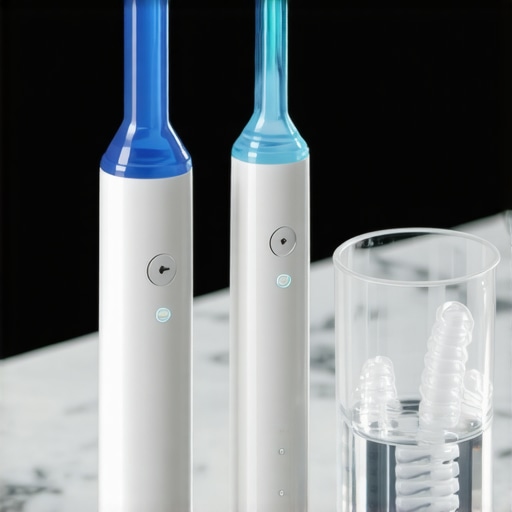
Once you’ve moved past the initial panic of a toothache or the excitement of a new whitening routine, you hit the most critical phase: the long-term grind. I used to think that getting a dental crown or finishing an Invisalign treatment was the finish line. In reality, it’s just the beginning of a new maintenance phase. If you want to avoid returning to the chair for the same issues, you need to upgrade your toolkit. For me, that started with ditching the manual brush entirely. I realized that the safest way to use an electric toothbrush on sensitive teeth isn’t just about the tech; it’s about the pressure sensor. Most of us scrub far too hard, effectively sanding down our gums. I personally use a sonic brush that flashes red the second I press too hard, which has been a lifesaver for my receding gum line.
My Top Tools for Keeping Restorations Intact
If you have a bridge or a crown, you know that the area where the tooth meets the gum is a magnet for debris. I used to struggle with the move to stop a crown from trapping food every time you eat steak until I discovered interdental brushes. While flossing is great, a study published in the Journal of Clinical Periodontology suggests that interdental brushes are significantly more effective at removing plaque in the open spaces between teeth than traditional floss. I keep a small pack in my car and my desk. It’s a game-changer for people who have invested in the ultimate guide to crowns for a healthier smile and want to keep those margins clean. For those using aligners, maintenance is even more specific. You can’t just rinse them in tap water and call it a day. I’ve found that the best way to clean your retainers without using harsh chemicals is a daily soak in an ultrasonic cleaner—it uses sound waves to blast off biofilm that a brush can’t even see.
How do I keep my dental work looking new for years?
The secret is consistency and the right chemistry. You have to be mindful of what you’re putting in your mouth while wearing appliances. For instance, knowing how to keep your aligners clear while drinking tea is less about the tea itself and more about the timing of your rinses. I’ve also learned to watch out for the specific food that most often cracks an older filling, like unpopped popcorn kernels or ice cubes. According to the American Association of Endodontists, even a small craze line in your enamel can turn into a full-blown fracture if you aren’t careful with hard foods. It’s about protecting the investment you’ve made in your mouth.
High-Tech Dentistry Is Changing the Game
Looking ahead, the future of maintenance is becoming incredibly personalized. We are seeing Invisalign innovations that include AI-driven apps where you can scan your teeth at home and send the data to your doctor. This kind of ‘interceptive’ care is the cornerstone of family dentistry trends improving oral health for all ages. I predict that within the next five years, we’ll all have smart-brushes that can detect early signs of gum disease before we even see blood in the sink. If you really want to level up your oral health, my best advice is to stop treating your dental routine like a chore and start treating it like high-performance maintenance for the only set of teeth you’ll ever get. Your challenge for today: Swap out your standard floss for a pack of interdental brushes and see just how much more debris you’ve been leaving behind.
The Harsh Lessons My Sensitive Teeth Taught Me
After years of trial and error, I’ve realized that the ‘magic’ of a perfect smile isn’t in a box at the drugstore. First, never ignore the signs of why your gums are receding despite good brushing habits; it’s often your body’s way of saying your bite is off. Second, I learned that professional guidance on choosing the right crown expert is worth more than any discount coupon. Finally, remember that your enamel is a non-renewable resource—once it’s gone, it’s gone for good.
The Daily Gear That Keeps My Smile Intact
I’ve narrowed my routine down to three essentials that make the biggest difference in my daily life. I rely heavily on the safest way to use an electric toothbrush on sensitive teeth to prevent over-brushing and enamel wear. For those tricky gaps, I’ve found that the best strategy for flossing when your teeth are tightly crowded involves interdental brushes rather than just standard string. And for maintenance, I always keep a high-potassium nitrate paste on hand to keep the nerves calm. #IMAGE_PLACEHOLDER_E#
Your Journey to a Pain-Free Glow Starts Now
You don’t have to choose between a bright smile and a comfortable one. By focusing on family dentistry secrets and prioritizing structural health over quick fixes, you can have both. Whether you are considering how crowns boost oral health confidence or looking into the future of family dentistry with aligners, the key is to start with a foundation of health. Your smile is your most important accessory—take care of it properly. Your long-term oral health depends on the small choices you make every morning and night.
Have you ever experienced those sharp ‘zingers’ after using a whitening product? Share your experience in the comments below!