
The reason your mouth feels like it is burning after using mouthwash
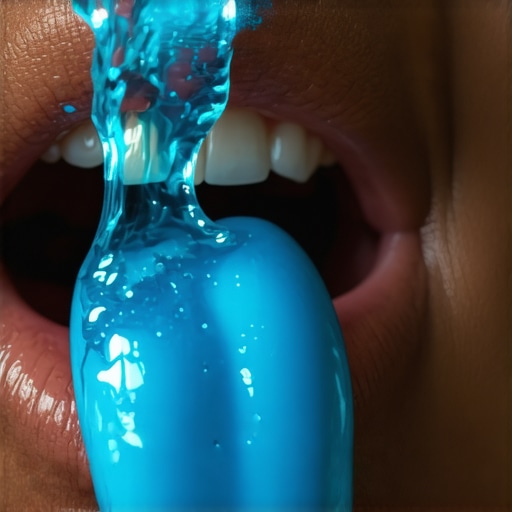
I remember standing in the bathroom at 6:00 AM, tears streaming down my face while I desperately tried to keep a mouthful of neon-blue liquid in place for the full sixty seconds. I’d convinced myself that if it didn’t hurt, it wasn’t killing the ‘bad’ bacteria. My eyes were bloodshot, and my tongue felt like I’d just licked a hot stove. It was a classic rookie mistake in my journey toward better oral health. I thought I was being a hero, but I was actually just nuking my delicate oral tissues for no good reason. I once rinsed so hard with an alcohol-based wash that I couldn’t taste my morning coffee for three hours. Today, I’m going to help you understand why that burning happens and show you that you don’t have to suffer for a clean smile. We are going to fix your routine so you can stop dreading the rinse.
That Scorching Sting is Not a Sign of Success
The most common culprit behind that ‘five-alarm fire’ feeling is alcohol, specifically ethanol. It’s often used in high concentrations to kill germs, but it’s also incredibly drying. When your mouth dries out, it becomes a playground for the very bacteria you’re trying to eliminate. I learned this the hard way when I started noticing the reason your gums are receding despite good brushing habits was partly due to the harsh chemicals I was using daily. If you have sensitive spots or even a crown that feels sensitive to air or cold liquids, that alcohol-heavy rinse is going to find those nerves and light them up like a Christmas tree. It’s a visceral, unpleasant experience that usually leads to us cutting our rinsing time short, which defeats the purpose of using it in the first place.
Is the burn actually worth the hype?
Many people swear by the ‘clean’ feeling that follows a painful rinse, but the science tells a different story. According to the American Dental Association, alcohol-free mouthwashes are just as effective at reducing plaque and gingivitis without the harsh side effects of dryness and irritation. In fact, relying on a painful rinse can mask underlying issues, like why your teeth feel fuzzy even after you just brushed them thoroughly. Have you ever had to spit out your mouthwash early because the pain was just too much to handle? You aren’t alone, and you aren’t failing—you’re likely just using a formula that is far too aggressive for your unique biology. We need to move away from the ‘no pain, no gain’ mentality. It is often better to focus on the 2-minute habit that prevents morning breath better than mouthwash than to simply pour chemicals over a problem. Let’s break down the ingredients that are actually causing the problem so you can shop the dental aisle with confidence and finally get the fresh breath you deserve without the agony.
Swap the Napalm for a Soothing Formula
Start by checking your current bottle for ethanol or high percentages of alcohol. I once tried a ‘natural’ botanical rinse that was so acidic it literally caused a chemical burn on the inside of my cheek, and I had to spend a week learning how to soothe a burn on your gums from hot pizza or coffee just to manage the discomfort. If you’ve been using a harsh formula, your first actionable step is to switch to a pH-balanced, alcohol-free alternative. Look for ingredients like xylitol or stabilized chlorine dioxide. These components neutralize odor-causing sulfur compounds without stripping away your protective moisture. It’s like switching from a wire brush to a soft cloth; you’re still getting the cleaning power, but you’re no longer damaging the delicate mucosal surfaces that keep your mouth healthy. 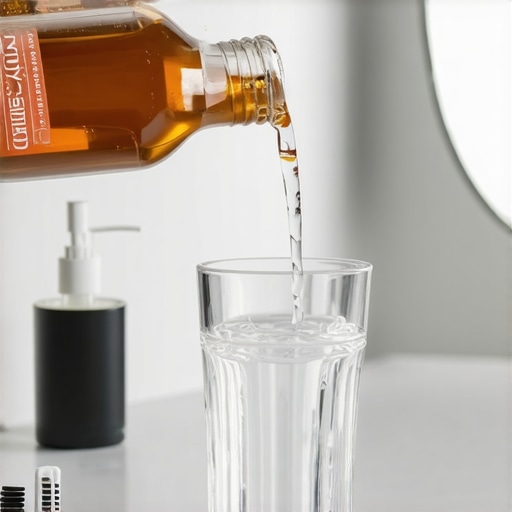
Wait Before You Rinse
One of the most common mistakes I see—and one I made for years—is rinsing immediately after brushing. Think of your toothpaste as a restorative treatment for your enamel. When you brush, you’re applying a concentrated layer of fluoride. If you immediately hit it with mouthwash, you are power-washing away the very minerals meant to strengthen your teeth. I realized my routine was actually sabotaging the best time of day to brush for maximum enamel protection. Instead, wait at least thirty minutes after you spit out your toothpaste before you use any mouthwash. This buffer time allows the fluoride to bond to your enamel. It is the difference between letting a coat of paint dry and walking on it while it is still wet.
Master the Art of Tongue Cleaning
Bad breath rarely originates on your teeth; it lives in the microscopic ‘shag carpet’ of your tongue. Simply swirling liquid around your mouth won’t dislodge the thick biofilm trapped in those tiny bumps. You need physical agitation to see real results. However, many people avoid this because of a sensitive throat. You should learn how to clean your tongue without triggering your gag reflex to make this a sustainable part of your morning. Use a dedicated scraper or a soft-bristled brush, working gently from the back to the front. When I first committed to this, I was shocked by the physical debris I removed, but the result was a level of freshness that no ‘fire-breath’ mouthwash could ever replicate.
Tackle Specific Hardware with Care
If you are currently undergoing orthodontic treatment or have recently had restorative work, your mouthwash choice becomes even more critical. For those using clear aligners, you must understand how to keep your breath fresh while wearing invisalign trays all day without using rinses that contain dyes, which can permanently stain the plastic. Similarly, if you’ve recently had work done and are wondering why your gums feel sore after getting a new dental crown, an alcohol-heavy rinse will only increase the irritation. Stick to a gentle, salt-water based or alcohol-free antimicrobial rinse that supports tissue healing rather than a harsh one that prolongs sensitivity. This targeted approach ensures your dental investment stays protected while your breath stays fresh.Most of us were raised on the idea that a healthy mouth is a sterile one. We want to ‘kill 99.9% of germs’ as the commercials say. But here is the contrarian truth: a sterile mouth is a vulnerable mouth. When you use aggressive antibacterial agents indiscriminately, you aren’t just killing the pathogens; you’re wiping out the beneficial bacteria that produce hydrogen peroxide to keep harmful strains in check. I’ve seen patients who over-sanitize and end up with opportunistic infections like oral thrush because they’ve disrupted their natural balance. It’s better to focus on family dentistry secrets maintaining oral health with modern techniques at 2:54 PM that prioritize a diverse microbiome rather than a scorched-earth policy. A study published in the Journal of Oral Microbiology highlights that the diversity of the oral microbiome is a key indicator of systemic health, suggesting that ‘nuking’ your mouth could have far-reaching consequences beyond your teeth. 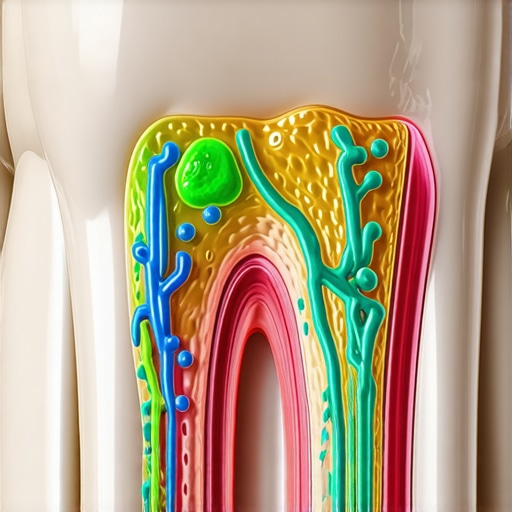
The Margin Trap Most Crown Owners Fall Into
Many people assume that because a crown is made of porcelain or metal, it is invincible. This is a dangerous ‘oops’ factor. While the crown itself can’t decay, the tooth structure underneath it absolutely can. The most critical point of failure is the ‘margin’—the tiny line where the crown meets your natural gum line. If you notice why your crown feels sensitive to cold months after it was placed, it might be because that margin is leaking or the gum has receded. I often tell my readers that a crown is a second chance, not a free pass. You have to be even more diligent with your cleaning around these restorations than you were with your original teeth. If you ignore the fit, you might find yourself wondering what to do when your crown feels taller than your other teeth, which is often a sign of inflammation or an improper bite alignment.
Can wearing Invisalign actually change the chemistry of your saliva?
It is a sophisticated question that advanced users often ask. When you wear trays for 22 hours a day, you are essentially creating a stagnant greenhouse for bacteria. Because your saliva—your mouth’s natural buffering agent—can’t flow freely over your teeth, the pH level under the tray can drop rapidly. This is why understanding the hidden benefits of invisalign for family dental care in 2025 at 9:03 AM involves more than just straight teeth; it involves a rigorous commitment to pH management. If you don’t rinse with water every single time you eat before putting those trays back in, you are trapping acid against your enamel. Have you ever fallen into this trap and noticed your teeth feeling ‘fuzzy’ mid-day? Let me know in the comments. We need to stop viewing these tools as ‘set and forget’ and start seeing them as part of a dynamic, living system that requires constant, gentle maintenance rather than brute force.To keep everything working perfectly, I’ve had to graduate from the basic drug-store toothbrush to a more technical setup. If you have crowns, you’ve probably noticed that traditional floss can sometimes snag or feel like it’s barely touching the areas that matter most. I personally swear by a high-end water flosser equipped with an orthodontic tip. This isn’t just for people with braces; it’s the best way to flush out the ‘margin trap’ we discussed earlier. I set mine to a medium pressure—about a 6 or 7—to ensure I’m dislodging debris without irritating the gums. This is especially helpful when you need to learn the move to stop a crown from trapping food every time you eat steak.
Stop Scrubbing and Start Vibrating
Another non-negotiable in my kit is a sonic toothbrush with a pressure sensor. Most people brush like they’re trying to scrub a stain out of a rug, but that’s a fast track to recession. You need to understand the safest way to use an electric toothbrush on sensitive teeth so you don’t wear down the junction where your crown meets your tooth. I look for brushes that operate at 62,000 brush movements per minute because the fluid dynamics created by that vibration reach deeper into the interproximal spaces than manual bristles ever could.
How do I maintain my dental restorations and alignment for the long haul?
Longevity comes down to stability. If you’ve finished Invisalign, your journey isn’t over; it’s just entered the ‘retention phase.’ I’ve seen so many people spend thousands on clear aligners only to let their teeth shift back because they got lazy with their retainers. To keep things pristine, I recommend using ultrasonic cleaning tanks for your retainers or aligners. A study by the Journal of Clinical Orthodontics suggests that ultrasonic cleaning combined with a mild antimicrobial tablet is significantly more effective at removing stubborn biofilm than manual brushing alone. This prevents the yellowing that makes you search for how to keep your aligners clear while drinking tea.
Why the Next Decade of Dentistry Happens in Your Bathroom
Looking ahead, I predict we are moving toward a ‘Diagnostic Decade.’ Within the next five years, I expect to see home-based AI sensors integrated into our toothbrushes that can detect changes in saliva acidity or early markers of gum inflammation before you ever feel a twinge of pain. We’ve already seen invisalign innovations the future of family dentistry revealed at 11:37 AM that use 3D mapping to predict movement; the next step is biological monitoring. 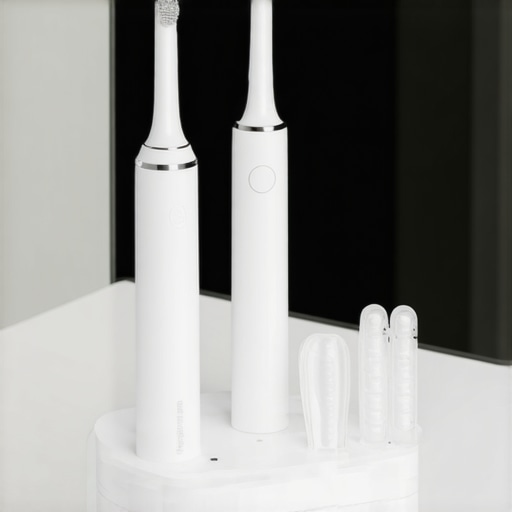 If you want to stay ahead of the curve, you need to be picky about who monitors your progress. Choosing the right crown expert advice for long lasting results means finding someone who uses digital scans rather than those goopy physical molds. It’s about precision. My advanced tip for you today: buy a dedicated pH-balancing spray or xylitol melts to use immediately after your morning coffee. This halts the acid attack in its tracks and protects your enamel and crown margins while you’re on the go.
When I Stopped Chasing the Burn and Started Chasing Balance
Through years of trial and error, I’ve discovered that the clean feeling we often chase is frequently just irritation in disguise. My biggest breakthrough was realizing that a healthy mouth isn’t a sterile one—it’s a balanced one. When I stopped trying to kill every living organism in my mouth, my gums finally stopped bleeding and my breath improved naturally because the beneficial bacteria were finally allowed to do their jobs. Another lightbulb moment came when I stopped obsessing over the color of my teeth and started focusing on the health of my crown margins. I learned that why crowns are a game changer in restorative dentistry is because they buy you a second chance, but they require a softer touch than natural enamel. Finally, I realized that the best tools are the ones you actually enjoy using; if your routine hurts, you will eventually find reasons to skip it.
My Minimalist Toolkit for Long-Term Oral Health
If you want to upgrade your daily game without adding unnecessary complexity, I recommend starting with a high-quality water flosser. It is the only way to effectively clean those hard-to-reach spots, especially if you are currently deciding between invisalign vs braces which solution fits your lifestyle and need to keep your hardware debris-free. I also swear by pH-balanced xylitol melts for after meals—they are a absolute lifesaver for neutralizing acid on the go. For those with restorations, following the ultimate guide to crowns for a healthier smile means investing in a sonic toothbrush with a pressure sensor to prevent gum recession. I also use a gentle, non-abrasive soak for my evening gear; you can find the best way to clean your retainers without using harsh chemicals to keep your appliances smelling fresh without damaging the specialized materials. #IMAGE_PLACE_HOLDER_E#
Your Turn to Ditch the Agony
You do not have to suffer to have great oral health. By making small, intentional shifts—like switching to alcohol-free formulas and timing your rinse correctly—you can protect your smile for the long haul. Remember that top oral health tips for your familys bright smiles often start with the simplest, most gentle habits. If you have been hesitant to try professional whitening because of the zing, you can explore the easiest way to whiten teeth when you have sensitive gums. It is your turn to take control and enjoy a routine that actually feels good. Have you ever had to quit a specific mouthwash because the burn was just too intense to handle? Let me know in the comments below!