
The truth about using baking soda to whiten your teeth
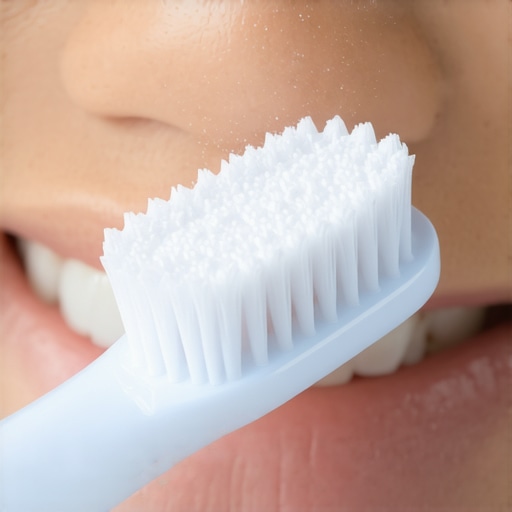
I remember standing in my bathroom five years ago, staring at a box of Arm & Hammer like it was a magic wand. I was desperate. My coffee habit had left my smile looking more ‘antique parchment’ than ‘pearly white,’ and I didn’t want to drop a fortune on professional treatments. I mixed a thick, gritty paste, smeared it on, and brushed like my life depended on it. Within days, my teeth looked brighter, but my gums felt like they had been through a paper shredder. I’d made the classic amateur mistake of thinking more grit meant more glam. I was wrong, and I almost paid for it with my enamel. Today, I’m going to walk you through exactly what happens when you use this kitchen staple on your smile, why the internet lies to you about ‘natural’ results, and how to keep your teeth bright without causing permanent damage. Have you ever tried a DIY whitening hack that left your mouth feeling more sensitive than a raw nerve?
The Real Reason Everyone Is Raidng Their Pantries for Whiter Teeth
It isn’t just about saving money, although that is a huge part of the appeal. We live in an era where ‘natural’ is a buzzword that carries a lot of weight. We want solutions that don’t involve a list of chemicals we can’t pronounce. Baking soda, or sodium bicarbonate, feels safe because we bake cookies with it. But here is the catch: your teeth are not chocolate chip cookies. While it is true that baking soda can scrub away surface stains from your morning latte, it lacks the fluoride needed to actually strengthen your teeth. If you are already trying to safely whiten teeth if you have thin enamel, going overboard with a box of baking soda is like using a belt sander on a delicate piece of heirloom furniture. I learned this the hard way when I realized my ‘whiter’ teeth were actually becoming more translucent and sensitive because I was thinning out the protective outer layer.
Is this kitchen hack actually worth the risk to your enamel?
The short answer is yes, but only if you use it like a scalpel rather than a sledgehammer. Many people think baking soda is the most abrasive thing you can put on your teeth, but surprisingly, it’s quite low on the scale compared to some whitening pastes. According to a study published in the Journal of the American Dental Association (JADA), baking soda is actually effective at stain removal because of its unique chemical properties, not just its grittiness. However, the same study cautions that it doesn’t offer the tooth-decay protection found in standard pastes. This is why you see so many oral health tips for your family emphasizing balance. You can’t just swap your toothpaste for a box of powder and expect your mouth to stay healthy. If you’ve ever felt like your mouth feels like it is burning after a DIY session, that is your body telling you that the pH balance is way off. We need to talk about the ‘why’ behind the whitening. It’s not just about removing the yellow; it’s about protecting the structure of the tooth so you don’t end up needing crowns for a healthier smile down the road. Just like the truth about charcoal toothpaste, the reality of baking soda is far more nuanced than a thirty-second TikTok video would have you believe.If you want to do this right, you have to treat baking soda like an abrasive additive, not a primary cleaner. Think of it as the ‘heavy-duty’ cycle on your dishwasher; you don’t use it for every load, or you’ll eventually chip the paint off your plates. To start, you need to create a slurry. One tablespoon of baking soda mixed with just enough water to make it look like slightly runny Greek yogurt. I once tried to just dip my wet toothbrush directly into the box, thinking ‘the more, the merrier.’ Big mistake. That raw powder acted like 40-grit sandpaper, and I spent the next four days wondering why my reason your gums bleed only when you use an electric toothbrush—except this time, it was my own DIY hubris causing the damage. The goal is a smooth consistency that glides, not a gritty paste that scratches.
Stop Brushing Like You Are Scrubbing a Concrete Driveway
Once you have your paste, use a soft-bristled brush. This is non-negotiable. If you are already researching the safest way to use an electric toothbrush on sensitive teeth, you know that pressure is the enemy. Move the brush in tiny, circular motions for no more than two minutes. Do not—I repeat, do not—scrub. You are gently polishing away surface pigments, not trying to exhume a fossil. If you use too much force, you aren’t just cleaning; you’re excavating your enamel. 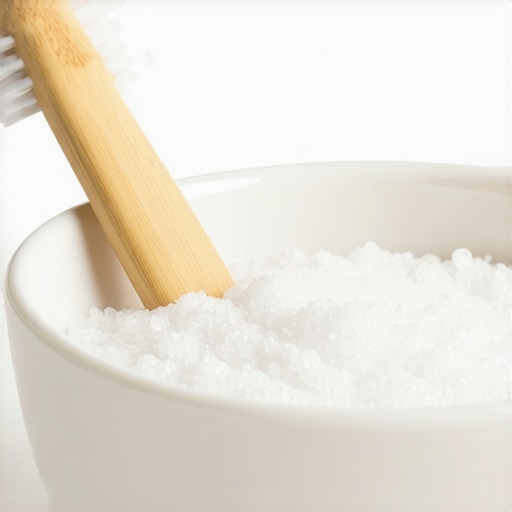
Mix a Paste That Wont Tear Your Gums Apart
This method is particularly effective for coffee drinkers who are also worried about how to keep your aligners clear while drinking tea, as it helps manage those external stains that clear aligners can sometimes trap against the tooth surface. However, you must be able to how to tell the difference between a deep cavity and a surface stain. If that yellow spot doesn’t move after a few sessions, stop scrubbing immediately. You might be looking at exposed dentin, and more baking soda will only make it worse. This is where modern techniques for maintaining oral health come into play—sometimes the ‘old school’ way needs a ‘new school’ safety check to ensure you aren’t causing permanent recession.
When to Put the Orange Box Back in the Pantry
The final step is the rinse. Baking soda is alkaline, which is why it can neutralize the acids that cause bad breath. But leaving it on your teeth is a recipe for disaster. Rinse your mouth at least three times with plain water until you no longer feel that slippery, soapy sensation. I remember one Tuesday morning I was in such a rush that I didn’t rinse well enough. By noon, my mouth felt like I’d been sucking on a battery. That lingering alkalinity can disrupt your natural microbiome. If you find yourself doing this more than once a week, you’re playing a dangerous game. If you’ve pushed it too far and your teeth are already structurally compromised or translucent, you might eventually need the ultimate guide to crowns for a healthier smile to repair the thinning outer layer you worked so hard to ‘whiten.’ Use this hack as a monthly polish, not a daily ritual.Let’s dig deeper into the ‘natural’ trap. Most people think that because baking soda is a household staple, it’s the safest way to brighten a smile, but the nuance lies in the frequency and the underlying tooth health. A common contrarian view I hold is that perfectly white teeth shouldn’t be your primary goal; functional, structurally sound enamel is far more valuable. If you over-polish, you risk making your teeth look like ‘translucent glass,’ which is actually a sign of severe thinning.
Why Does Your New Crown Feel Like a Magnet for Leftover Dinner?
One of the most frustrating nuances of restorative work is the fit at the gumline. People often assume a crown is a ‘set it and forget it’ solution, but the ‘Oops’ factor here is ignoring the margin. If your crown isn’t seated perfectly, it becomes a trap for debris. You might need to learn the move to stop a crown from trapping food every time you eat steak to prevent localized gum disease. This is where choosing the right crown expert advice becomes vital. A study in the Journal of Prosthetic Dentistry highlights that even a microscopic gap at the crown margin can increase the risk of secondary decay by over 40%. It is not just about the porcelain looking pretty; it is about the seal.
The Real Reason Your Aligner Trays Feel Tight
Transitioning from DIY whitening to professional alignment like Invisalign brings its own set of hidden nuances. Most patients think the trays just ‘push’ teeth into place, but the real magic happens through ‘attachments’—those tiny, tooth-colored bumps that act as handles for the plastic. If you aren’t using your ‘chewies’ to fully seat the tray, you are just spinning your wheels. You might notice why your invisalign trays feel tighter on some days than others, which is often a sign that the tooth isn’t ‘tracking’ correctly. This is one of those invisalign myths debunked: it isn’t a passive process. It requires active participation. If you find that a tray is rubbing, you need to know what to do if your invisalign tray starts to scratch your cheek rather than just leaving it out and losing progress.
Stop Treating Modern Restorations Like Your Natural Teeth
Whether it is a crown or a veneer, these materials react differently to temperature and pressure. If you feel a sharp zing, it might be that your crown feels taller than your other teeth, which can cause ‘occlusal trauma.’ This isn’t just a minor annoyance; it can lead to the death of the nerve inside the tooth. We are seeing incredible invisalign innovations and the future of family dentistry that help us map these bite issues before they start, but you have to be vocal with your dentist about the ‘feel’ of your bite. Have you ever fallen into this trap of thinking a dental fix was just a cosmetic ‘sticker’ rather than a functional tool? Let me know in the comments.
The Gear That Keeps My Smile From Cracking
I’ve realized over the years that if you are investing in Invisalign or a set of porcelain crowns, you have to stop treating them like a ‘once-and-done’ purchase. I learned this the hard way when my first aligner tray started to look like a cloudy science experiment after just three days. Today, I don’t just brush; I use an ultrasonic cleaner. It sounds like overkill, but the microscopic bubbles created by cavitation reach crevices a toothbrush simply cannot touch. This is the best way to clean your retainers without using harsh chemicals that could otherwise degrade the medical-grade plastic or leave a medicinal aftertaste. 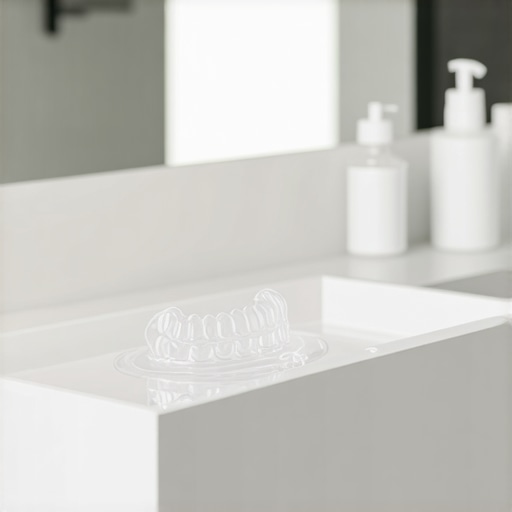
How do I keep my dental work looking brand new for a decade?
The secret isn’t necessarily brushing more; it is brushing with anatomical precision. For my crowns, I ditched the standard flat-head brush for a ‘Tuft Brush.’ This single-tufted tool allows you to navigate the delicate margins where the porcelain meets your natural gum tissue. This is the ‘danger zone’ where biofilm accumulates. If you don’t stay on top of it, you’ll eventually be searching for the move to stop a crown from trapping food every time you eat steak. I also swear by a high-quality water flosser. A study published in the Journal of Clinical Periodontology found that water flossing can be significantly more effective than traditional string floss for plaque removal around orthodontic appliances and complex restorations. It’s a core part of the family dentistry secrets for maintaining oral health that keeps your smile from looking ‘worked on.’
The Future of Your Bathroom Counter
I predict that within the next few years, your toothbrush won’t just vibrate; it will provide diagnostic feedback. We are already seeing invisalign innovations and the future of family dentistry where remote monitoring via smartphone apps is becoming the norm. This shift toward ‘smart’ dentistry means fewer emergency visits but places a higher premium on your daily routine. You will need to master the best time of day to brush for maximum enamel protection to ensure those digital scans show a healthy mouth. My advanced tip for those with aligners? Invest in a descaling cleaning tablet once a week. It prevents the ‘white haze’ from mineral buildup, which is a common hurdle when you are figuring out how to keep your aligners clear while drinking tea. Go buy a Tuft Brush today and spend just sixty seconds on your back molars—it is a game-changer for gum health.
Hard Truths About Chasing the Perfect Smile Without Losing Your Enamel
Reflecting on my own journey, the biggest shift wasn’t in the products I used, but in my mindset. I used to think of my teeth as porcelain tiles that needed heavy scrubbing, but they are living organs that deserve respect. If I could go back, I would tell myself that sensitivity is a signal, not a side effect to be ignored. Another ‘lightbulb’ moment was realizing that while baking soda handles surface stains, it does nothing for the internal color of the tooth—that requires professional guidance or biological patience. I’ve learned that the most expensive dental work is often the work you have to do twice because you didn’t prioritize enamel health the first time around.
The Gear I Actually Use to Protect My Investment
To keep my smile in top shape, I rely on a few specific tools that bridge the gap between home care and professional results. First, a high-quality water flosser is essential for anyone with restorations, as it keeps the margins clean without the physical tugging of string floss. I also suggest researching Invisalign vs braces if you are still on the fence about alignment, as the lifestyle fit is just as important as the clinical outcome. For daily maintenance, mastering the 2-minute habit that prevents morning breath is far more effective than any quick-fix rinse. Finally, I keep an eye on family dentistry trends to ensure my routine evolves with modern science. #IMAGE_PLACE_HOLDER_E#
Taking the First Step Toward a Lifetime of Health
A beautiful smile is a marathon, not a sprint. Whether you are currently experimenting with baking soda slurry or considering how crowns boost oral health confidence, the goal is always functional longevity. Don’t be afraid to ask the hard questions and seek out restorative dentistry advice when something doesn’t feel right. Your future self will thank you for the enamel you saved today by choosing balance over intensity. Have you ever tried a ‘natural’ tooth whitening hack that actually worked for you, or did it end in a sensitivity nightmare? Let me know in the comments below!