
The reason your mouth gets dry when you take allergy medicine

It happened right before a big presentation last spring. I’d spent the morning fighting off the local pollen explosion with a heavy-duty antihistamine. By noon, I wasn’t sneezing anymore, but I had a new problem: my mouth felt like I’d been chewing on a bag of flour. I tried to greet my neighbor, and my tongue literally stuck to the roof of my mouth. It was embarrassing, uncomfortable, and frankly, a bit alarming. I’ve spent years being obsessive about top oral health tips for your family’s bright smiles, yet here I was, struggling to even swallow. This wasn’t just a minor annoyance; it was a total dental shutdown. Today, I want to share exactly why this happens and what you can do about it without letting your allergies win.
Stop Waking Up with a Mouth Full of Cotton
Most of us reach for those little blue or white pills the moment the hay fever kicks in without a second thought. We want the itchy eyes and runny noses to stop. But the trade-off is often “desert mouth”—or xerostomia, if we’re being fancy. I used to think I just wasn’t drinking enough water. I’d carry a gallon jug around like a marathon runner, but the reason your saliva feels thick and sticky isn’t just simple dehydration; it’s a chemical blockade happening inside your glands. When I first started dealing with this, I made the classic mistake of using sugary lozenges to “moisten” things up. Huge error. All I did was feed the bacteria in my mouth, which is a disaster for anyone trying to maintain family dentistry secrets for maintaining oral health.
Is this dry feeling actually damaging my teeth?
You might wonder if a little dry mouth is really worth the worry beyond the discomfort. According to the American Dental Association, saliva is your mouth’s primary defense against tooth decay and infection because it neutralizes acids produced by bacteria and washes away food particles. When your allergy meds dry that up, you’re essentially leaving your enamel defenseless against cavities. It’s especially tricky if you’re trying to keep your breath fresh while wearing Invisalign trays all day, as the lack of saliva allows odors to build up much faster. Have you ever had to stop mid-sentence because your mouth suddenly felt like it was glued shut? It’s a bizarre feeling, isn’t it? Understanding the ‘why’ is the first step toward getting your comfort back.
Sip Water Like You Are Savoring Fine Wine
To fight the cotton-mouth effect of antihistamines, you have to change how you hydrate. Instead of chugging a whole bottle of water in one go, which just flushes your system and makes you run to the bathroom, you need to ‘bathe’ your mouth. Think of your saliva as the oil in a car engine; without it, the moving parts—your tongue and cheeks—start to create friction and heat. I started carrying a small spray bottle filled with filtered water and a pinch of sea salt. By misting my mouth every ten minutes, I kept the tissues hydrated without feeling bloated. This is crucial because when your mouth stays dry, you might start to wonder how to tell if a sudden toothache is actually a sinus infection or just a result of parched nerves.
Trick Your Glands into Producing More Moisture
Since the medication is actively telling your glands to shut down, you have to send a stronger signal to turn them back on. I found that xylitol is a total lifesaver. Unlike sugar, which feeds the bacteria that cause decay, xylitol stimulates saliva production while actually starving the ‘bad guys.’ During that presentation I mentioned earlier, I kept a small xylitol mint tucked in my cheek. It wasn’t just about the moisture; it was about preventing the ‘fuzzy’ feeling that leads to plaque buildup. It’s a simple shift that helps you maintain family dentistry secrets for maintaining oral health even when your body is fighting the pollen count. 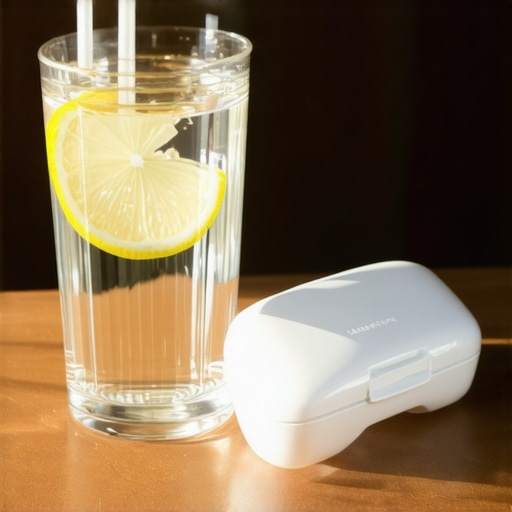
Protect Your Dental Hardware from the Desert Heat
If you have dental work like Invisalign or crowns, dry mouth is more than an annoyance—it’s a threat to your investment. Without saliva to lubricate the edges of a restoration, you might find yourself needing to know how to manage a crown that feels sensitive to air or cold liquids. The lack of moisture allows air to hit the margins of the crown more directly. Similarly, if you’re using clear aligners, the plastic can trap bacteria against your teeth. I noticed that when my mouth was dry, my trays got cloudy much faster. You have to be diligent about hygiene, or you’ll end up wondering why your invisalign case smells even after you wash it. The solution is to rinse your mouth and your hardware every single time you drink anything other than water.
Save Your Smile Before You Hit the Pillow
The most dangerous time for ‘desert mouth’ is while you sleep. Most antihistamines have a long half-life, meaning they are still drying you out at 3:00 AM. I used to wake up with my lips stuck to my teeth, which is a recipe for gum inflammation. I switched to a high-moisture nighttime routine. This involves using a fluoride-rich, alcohol-free mouthwash right before bed. It’s the 2-minute habit that prevents morning breath better than mouthwash brands containing alcohol, which only worsen the dryness. By creating a protective ‘shield’ on your enamel before you sleep, you ensure that even if your saliva flow drops to zero, your teeth aren’t being etched by acids through the night. Restorative pieces like crowns that are a game-changer in restorative dentistry stay secure and functional only if the environment around them stays healthy.
While most people focus on the immediate thirst, the real danger of antihistamine-induced dry mouth is how it accelerates structural damage to your dental work. You see, everyone assumes Invisalign is just about getting a straighter smile for photos, but in my experience, the true value lies in how it transforms the long-term health of your gums. When your teeth are crowded, they create ‘biofilm traps’ that even the best toothbrush can’t reach. Add a dry mouth into that mix, and you are essentially fast-tracking tooth decay. Invisalign myths debunked often overlook the fact that alignment is a medical necessity for plaque control, not just a cosmetic choice. By using Invisalign innovations, you’re actually making your mouth more ‘cleanable’ during those brutal allergy seasons.
The Hidden Danger of Over-Cleaning Your Hardware
Here is a trap I see constantly: patients get so worried about bacteria buildup during dry spells that they start scrubbing their trays or night guards with harsh chemicals. This is a massive ‘oops.’ Using toothpaste or abrasive soaps on your aligners creates microscopic scratches in the plastic. These scratches then become a five-star hotel for the very bacteria you’re trying to kill. If you’ve noticed your trays becoming cloudy, you’ve likely already damaged the surface. Instead of reaching for the dish soap, you need to stick to the best way to clean your retainers without using harsh chemicals. Protecting the integrity of the material is just as important as protecting your enamel. Have you ever fallen into this trap? Let me know in the comments.
Can a Single New Crown Mess Up Your Entire Bite?
This is a question I get from readers who are starting to feel jaw tension after restorative work. The nuance here is something called ‘occlusal harmony.’ According to a study published in the Journal of Oral Rehabilitation, even a discrepancy of a few microns in how a crown sits can trigger myofascial pain, especially when your mouth is dry and lacks the natural lubrication needed for smooth jaw movement. If you’re currently dealing with a restoration that feels ‘off,’ you should look into choosing the right crown expert advice for long-lasting results. A crown shouldn’t just look like a tooth; it has to function like a gear in a complex machine. 
Respect the Biological Width or Pay the Price
One of the most sophisticated mistakes in family dentistry secrets for maintaining oral health involves ignoring ‘biological width.’ This is the specific amount of space your gums need to attach to the tooth. If a crown is placed too deep under the gum line—often done to hide the ‘metal line’—it causes chronic inflammation. When you have a dry mouth, this inflammation is magnified because you lack the enzymes in saliva to soothe the tissue. If your gums always look red around your dental work, you aren’t just ‘brushing too hard’; your crown might be invading your body’s natural boundaries. Understanding why your gums feel sore after getting a new dental crown is the first step in realizing that dental health is about biology, not just mechanics. Investing in the hidden benefits of Invisalign early on can often prevent the need for these complex restorations later by keeping your natural teeth in their most sustainable positions.
Stop Scrubbing Your Trays and Use Ultrasonic Waves Instead
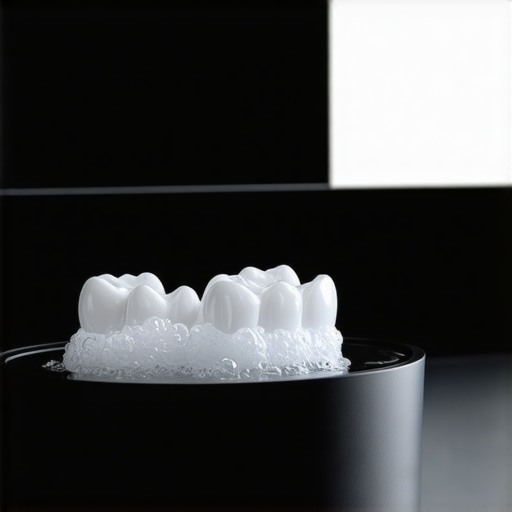
I learned the hard way that a manual toothbrush is the enemy of clear aligners. After about three months of Invisalign, my trays looked like they’d been dragged through a sandbox. That’s when I invested in a dedicated ultrasonic cleaner. If you want to know how to clean the gunk out of your invisalign aligners without spending forty minutes a day at the sink, this is the answer. These devices use 42,000Hz sound waves to create microscopic bubbles that implode against the plastic, blasting away plaque and bacteria. Dr. Gordon Christensen, a world-renowned restorative expert at Clinicians Report, emphasizes that high-frequency ultrasonic cleaning is the only way to effectively remove calcified deposits from removable appliances without degrading the material surface. Since I started using one, my trays stay crystal clear until the day I swap them for a new set.
Why Your Water Flosser Needs a Dedicated Setting for Crowns
Once you’ve read the ultimate guide to crowns for a healthier smile, you realize that the most vulnerable spot isn’t the porcelain itself—it’s the tiny seam where the crown meets your gum. I’ve found that traditional floss often snags or misses the concave areas of a molar. I personally use a water flosser with a specialized ‘orthodontic’ tip. This isn’t just for people with braces; it’s the best way to clean around a dental implant bridge to avoid inflammation because it flushes out the ‘pocket’ that manual tools can’t reach. If you are debating invisalign vs braces which solution fits your lifestyle, remember that the tools you use for daily maintenance will be your best friend regardless of which path you choose.
How do I maintain my dental investments over the long haul?
Consistency is the boring answer, but the way you are consistent matters. I suggest a ‘three-tier’ approach: daily water flossing, weekly ultrasonic deep-cleans for any removable hardware, and a quarterly ‘check-in’ where you manually inspect your gum line for any redness. This isn’t just about vanity; it’s about ensuring that crowns that are a game-changer in restorative dentistry don’t fail due to preventable gum disease. By being proactive, you’re actually participating in the latest family dentistry trends improving oral health for all ages—the shift from reactive repair to lifelong prevention.
Your Phone Will Soon Be Your Most Important Dental Tool
Looking ahead, I’m incredibly excited about the rise of remote monitoring. We are already seeing invisalign innovations that allow you to take a photo of your teeth with your smartphone and send it directly to your doctor. No more driving across town just for a thirty-second ‘looks good’ checkup. This level of connectivity is going to make how invisalign transforms family dentistry in 2025 a reality for everyone, making professional care accessible even during your busiest weeks. I predict that within five years, your smart toothbrush won’t just tell you that you missed a spot; it will analyze the pH levels of your saliva in real-time. If you want to stay ahead of the curve, I challenge you to ditch the manual scrubbing tonight and switch to an ultrasonic cleaner—it’s the single best upgrade you can make for your oral hardware.
The Hard Truth About My Year of Desert Mouth
Reflecting on my own journey through allergy season, I realized that many of the standard fixes were actually making things worse. First, I had to accept that drinking water isn’t enough when your glands are chemically silenced; you need active stimulation to get things moving. Secondly, I learned that top oral health tips for your family’s bright smiles must include a dedicated dry-mouth strategy for anyone on daily medication. Finally, the biggest lightbulb moment was realizing that my aligners weren’t just for a straight smile; they were a tool for better hygiene, but only if I kept the desert effect at bay with constant maintenance.
The Kit I Use to Fight Back
If you are serious about protecting your dental work, these are the pillars I rely on every single day. I trust a high-frequency ultrasonic cleaner because it preserves the clarity of my aligners better than any manual brush ever could. For on-the-go moisture, I keep pure xylitol mints in every jacket pocket to kickstart saliva production without feeding decay-causing bacteria. Lastly, I swear by a water flosser with an orthodontic tip; it’s the most effective way to ensure how crowns boost oral health confidence stays high by keeping the gum line free of debris when your natural saliva isn’t there to wash it away.
Your Smile Deserves the Extra Minute
Allergy season is temporary, but the damage from a chronically dry mouth can be permanent if you don’t stay proactive. By embracing the hidden benefits of Invisalign for easier cleaning and staying ahead of invisalign innovations like remote monitoring, you can keep your teeth strong and your breath fresh regardless of the pollen count. Don’t let a tiny pill dictate the health of your smile or the longevity of your dental work. Have you ever noticed your dental work feeling more sensitive during peak hay fever months? Let me know in the comments below!