
The secret to getting your kids to brush for the full two minutes
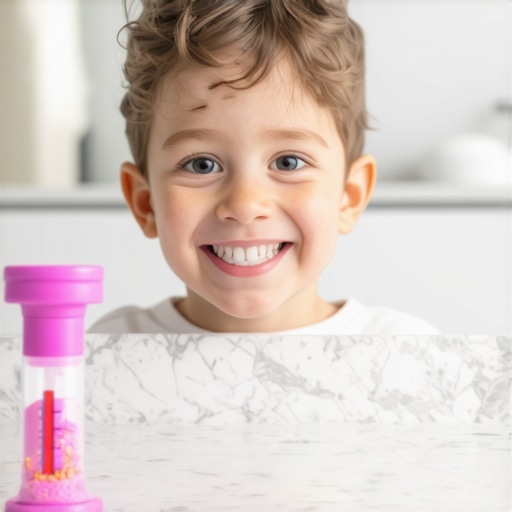
My bathroom looked like a crime scene involving minty-fresh slime. There I was, sweaty and exhausted, trying to pin down a four-year-old who treated a toothbrush like a medieval torture device. I would yell “just thirty more seconds!” while checking my watch, knowing full well we hadn’t even hit the one-minute mark. It was a failure of epic proportions. I realized that if I could not make this work, we were heading straight for a future of expensive crowns and dental anxiety. We have all been there. You want the best for your kids, but at 8:00 PM, you just want them in bed. Today, I am going to show you exactly how I flipped the script. I am sharing the psychological shift that turned our nightly wrestling match into something my kids actually look forward to. Trust me, it is not about buying more gadgets; it is about changing the game entirely. Have you ever found yourself negotiating with a toddler like you are in a high-stakes hostage situation just to get their molars clean? [IMAGE_PLACEHOLDER]
How I Finally Stopped the Bedtime Brush Battle
I made a massive mistake early on by treating brushing like a chore—like taking out the trash or eating broccoli. I was so focused on the mechanics that I forgot I was dealing with a tiny human who just wanted to play. I even struggled with getting my baby to accept a toothbrush initially, which should have been my first clue that my approach was too clinical. According to the American Dental Association, the average person only brushes for about 45 seconds, which is a far cry from the recommended two minutes needed to effectively disrupt plaque. If adults struggle, why did I expect my kids to be any better? I had to find a way to make those two minutes move faster. We started implementing some top oral health tips that moved the focus away from the clock and onto the fun.
Will sixty extra seconds really save their teeth?
You might be thinking that ninety seconds is “close enough.” I used to tell myself that too. But those extra seconds are where the magic happens for maintaining oral health with modern techniques. Without that full duration, you are missing the hard-to-reach spots where cavities love to hide. My turning point was when I stopped being the “toothbrush police” and became the “brushing buddy.” We began using a specific rhythm and a few clever distractions that made the time fly by. It even helped my oldest, who was once a child who is terrified of the dentists chair, feel more in control of their own health. We are going to dive into the exact steps I used to build this habit without the tears.
Ditch the Stopwatch for a Better Strategy
I realized that my kids weren’t being difficult on purpose; they just didn’t understand the ‘why’ behind the work. Instead of barking orders, I started treating the bathroom like a laboratory for family dentistry trends improving oral health for all ages. We moved away from the ‘because I said so’ phase and into a phase of discovery. I told my son that his teeth were like tiny white mountains that needed to be cleaned of ‘sugar bugs’ before they could set up camp. This shift in language changed the power dynamic instantly. Last Tuesday, instead of the usual tears, he actually raced me to the sink because he wanted to be the first one to find the ‘hidden bugs’ in the back. This isn’t just about fun; it is about building a foundation that lasts long after they leave the house.
Stop Brushing Like You Are Scrubbing a Floor
One of the biggest mistakes I made early on was encouraging my kids to ‘scrub hard’ to get the job done. I thought more force meant cleaner teeth. I was wrong. Scrubbing too hard is actually a primary reason your gums bleed only when you use an electric toothbrush or even a manual one. I had to teach my kids that teeth are like delicate jewelry, not a kitchen floor. We practiced using circular motions, pretending the brush was a tiny massage tool for their teeth. This gentle approach is much more effective at removing plaque without damaging the enamel. If they can learn this now, they will avoid the gum recession that plagues many adults later in life.
Turn the Bathroom Into a Mini Dance Party
If you want your kids to stay at the sink for the full duration, you have to distract them from the boredom. We started using a high-energy playlist of exactly two minutes. We don’t stop moving until the song ends. This 2-minute habit that prevents morning breath better than mouthwash became a household staple. It turns a chore into a performance. I remember one night we were all dancing so hard to a 90s pop song that I almost forgot I was supposed to be supervising. By the time the song ended, their teeth were sparkling, and no one had checked the clock once. 
Keep the Momentum Going for Your Teens
As my kids grew, the ‘sugar bug’ story didn’t work anymore. For teens, the motivation shifts toward aesthetics and confidence. This is where we discuss things like how Invisalign transforms family dentistry in 2025. They care about having a straight, white smile for photos, which makes them much more likely to stick to a routine. I often remind them that even the best orthodontic work requires a clean canvas. If they are curious about straightening their teeth, I point them toward Invisalign myths debunked to show them that modern solutions are much easier than they think. It is about evolving the conversation to match their maturity level. If you can connect their hygiene habits to their personal goals, you have won the battle.I’ve seen a lot of parents assume that once a tooth is ‘fixed’ with a restoration, the danger is gone. But here is the contrarian truth: a restored tooth actually requires more attention than a natural one. People often fall into the trap of thinking a crown is a permanent shield. It is not. If you do not manage the seal where the crown meets the gum, you are looking at a recipe for disaster. This is especially true when choosing the right crown expert advice for long-lasting results; the fit must be perfect to prevent bacteria from seeping in. If that seal is compromised even slightly, you are essentially trapping decay inside a porcelain box where you cannot see it until it is too late. 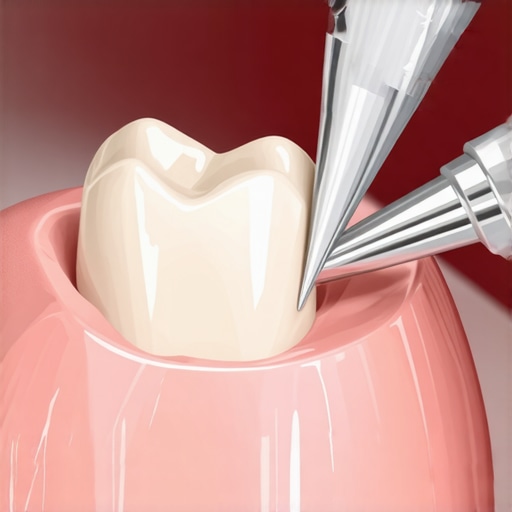
Why does my crown smell like something died in there?
It sounds gross, but it is a common advanced concern that points to a failing margin. The reason your crown smells bad when you floss around it is usually due to anaerobic bacteria thriving in a tiny gap you cannot even see with the naked eye. A study published in the Journal of Prosthodontics highlights that plaque retention is significantly higher around artificial margins than natural enamel. If you are not using specific techniques like the safest way to clean a dental crown that feels sticky, you are just moving germs around rather than removing them. This is the ‘oops’ factor I see most often: people scrubbing the porcelain but ignoring the gumline. Even worse is when patients ignore a slight misalignment, not realizing that learning how to stop your new crown from feeling too high when you chew is vital for preventing jaw issues and cracked porcelain later on. The same logic applies to orthodontic choices like Invisalign vs braces which solution fits your lifestyle. With aligners, the trap is the belief that the plastic is a barrier. In reality, if you do not know how to keep your breath fresh while wearing Invisalign trays all day, you are essentially bathing your teeth in sugar and acid for twenty-two hours a day. It requires a level of discipline and ‘cleaning nuance’ that most beginners are never told about. We also have to address the ‘waiting for pain’ trap. In the world of family dentistry trends improving oral health for all ages, pain is a late-stage symptom. Using family dentistry secrets maintaining oral health with modern techniques allows us to see microscopic gaps before they become massive cavities. Most people think their dental work is a static object, but your mouth is a living, shifting environment. If you have ever noticed that your bite feels different, it might be your restorations reacting to structural shifts. Have you ever fallen into this trap? Let me know in the comments.I’ve spent a small fortune on gadgets that ended up in the back of the drawer, but two things changed my life: a high-pressure water flosser and interdental brushes. If you have any dental work, a standard string of floss is basically like trying to clean a skyscraper with a toothbrush. You need that pressurized water to get under the margins of your restorations. This is especially critical for the best way to clean around a dental implant bridge to avoid inflammation, where the space between the prosthetic and the gum is a literal playground for bacteria. I also started using interdental brushes that are specifically sized for my gaps. Dr. Paul Levi, a renowned periodontist and author of ‘Nonsurgical Periodontal Therapy,’ argues that these tiny brushes are far more effective than floss for people with wide embrasure spaces or orthodontic appliances. For my kids, we use the best strategy for flossing when your teeth are tightly crowded to ensure no ‘sugar bugs’ survive the night. 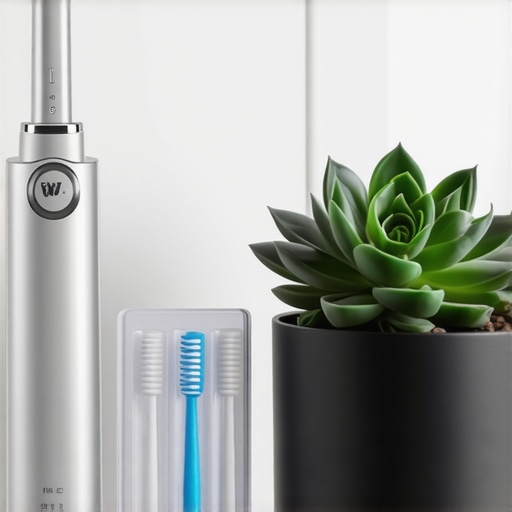
How do I maintain my dental work over the long haul?
The secret isn’t just cleaning; it’s consistency and observation. I make it a habit to check the clarity of my aligners every morning. If you’re a tea drinker like me, you’ve probably wondered how to keep your aligners clear while drinking tea without staining the plastic or trapping tannins against your enamel. I’ve found that using a sonic cleaner for my trays while I eat breakfast is the only way to keep them invisible. This kind of attention to detail is what separates a restoration that lasts five years from one that lasts twenty. As we look ahead, Invisalign innovations the future of family dentistry revealed at 1137 am suggest we’ll soon have AI-powered apps that scan our teeth through our phones to alert us of plaque buildup in real-time. We are moving toward a world where ‘guessing’ if you’ve brushed well enough is a thing of the past. This evolution is part of the larger family dentistry trends improving oral health for all ages that prioritize prevention over painful procedures. I predict that within the next decade, we’ll see ‘smart crowns’ that can detect pH changes in the mouth and notify your dentist before a cavity even forms. For now, my best advice is to stop treating your dental routine like a chore and start treating it like high-performance maintenance. Go out today and buy a pack of interdental brushes—just try them for a week and see the difference in your gum health.
After years of navigating the ups and downs of dental care, I have realized that the most expensive mistake you can make is thinking the dentist’s office is the only place where health happens. Real progress is made in the two minutes before bed. I learned the hard way that even with the ultimate guide to crowns for a healthier smile in hand, prevention is still the most powerful tool we have. One lightbulb moment for me was realizing that my kids were not being ‘bad’ brushers; they were just mimicking my own rushed habits. Another realization was that high-tech solutions like how Invisalign transforms family dentistry in 2025 are amazing, but they work best when the foundation of hygiene is already solid. Lastly, I have learned that the reason your gums are receding despite good brushing habits is often due to technique, not effort. Gentle, consistent care beats aggressive scrubbing every single time.
The Hard Truths I Discovered While Protecting My Family’s Smiles
Experience is the best teacher, but in dentistry, it can be a costly one. I used to think that as long as we were flossing, we were safe, but I discovered that family dentistry secrets maintaining oral health with modern techniques involve much more than just a piece of string. For instance, I found out that the safest way to use an electric toothbrush on sensitive teeth is actually about letting the brush do the work rather than applying pressure. This single shift saved my gums and likely my kids’ enamel too. I also learned that if you wait for a tooth to hurt, you have already waited too long. True dental health is about noticing the subtle changes, like how to tell if your gum recession is getting worse, before it requires an emergency visit. [IMAGE_PLACEHOLDER]
My Go-To Resources for a Lifetime of Dental Success
To keep our family on track, I rely on a few specific tools and techniques that have proven their worth. First, I highly recommend finding top oral health tips for your family’s bright smiles and sticking to them religiously. I also keep a close eye on family dentistry trends improving oral health for all ages to ensure we are using the latest, most effective methods available today. These aren’t just gadgets; they are the frontline defense for your children’s future health. If you are ever in doubt about a procedure, exploring Invisalign myths debunked can help clear up the confusion about modern alignment options.
Your New Path to Fearless Dental Visits Starts Tonight
Transforming your family’s oral health is not about achieving perfection overnight. It is about showing up every evening, turning on that dance music, and making those two minutes count. Whether you are dealing with toddlers or looking into Invisalign vs braces which solution fits your lifestyle for your teens, the goal remains the same: a confident, healthy smile that lasts a lifetime. You have the tools, the knowledge, and now the strategy to turn the ‘brushing battle’ into a ‘brushing win.’ High-quality family dentistry is a team sport, and you are the most important player on the field. Have you ever tried a ‘dance party’ or a unique timer to get your kids to brush longer? Let me know your best tricks in the comments below!