
Why your child’s gums look purple where their adult molar is erupting
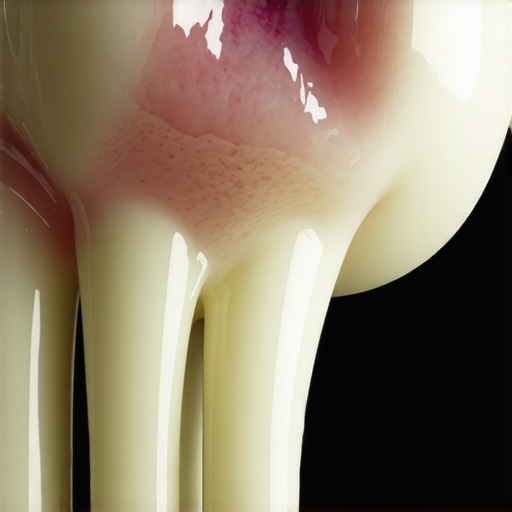
I remember the panic like it was yesterday—shining a phone flashlight into my son’s mouth and seeing what looked like a dark, angry bruise right where his six-year molar should be. It looked like he’d been hit in the face with a hockey puck, yet he hadn’t mentioned a single bump or fall. I felt that instant surge of parental guilt, wondering how I’d missed an injury that looked so violent in such a small mouth. I spent the next hour spiraling down a rabbit hole of medical forums and terrifying image searches. It was only after a frantic call to our dentist that I had my lightbulb moment: what I was seeing wasn’t an injury at all, but a sign of growth. As I’ve learned through years of navigating family dentistry secrets, the scariest-looking things in a kid’s mouth are often the most benign. Today, I am going to help you breathe a sigh of relief by explaining exactly what that purple spot is and why it means your child’s adult teeth are finally making their big debut.
The Truth Behind the Bruised Look on Their Gums
Seeing why your child’s gums look purple where a tooth is coming in for the first time is enough to make any parent reach for the phone to call an emergency clinic. I almost did the same. However, what you’re likely looking at is an eruption hematoma. This is just a fancy way of saying a little bit of blood has leaked into the space between the crown of the erupting tooth and the gum tissue. It isn’t a bruise from a trauma; it is caused by the internal pressure of the tooth pushing through. While it looks like a dark grape under the skin, it’s actually a roadmap for where the molar will soon appear. Sometimes the area might even seem a bit puffy, similar to why your child’s gums look swollen where a molar is erupting, but as long as there is no fever or extreme lethargy, it’s usually just a messy part of the teething process. Have you ever noticed a strange color in your kid’s mouth and immediately feared the worst? I’d love to hear your stories in the comments below!
Is this actually a hidden infection?
It’s the question that kept me up until 2 AM. I was convinced it was an abscess or a deep infection that would require surgery. But here is the reality: according to the American Academy of Pediatric Dentistry, eruption cysts and hematomas are benign and typically do not require any treatment because they resolve spontaneously as soon as the tooth pierces the tissue. Unlike an infection, these purple spots aren’t usually hot to the touch or filled with pus. I made the mistake of trying to brush the spot extra hard that first night, thinking I could “clean” it away, which only made my son cry. Trust me, the “less is more” approach is your friend here. If you’re still feeling nervous, checking in during the best age to bring your child for their first dental visit or a routine cleaning is the best way to get professional peace of mind.
Stop the Scrubbing and Start the Soothing
When you see that purple bulge, your first instinct is to clean it or even try to brush it away, but that is actually the last thing you should do. Think of an eruption hematoma like a tiny, internal blister. If you’ve ever had a blister on your heel from a pair of stiff new shoes, you know that rubbing it only makes the skin raw and painful. The same logic applies to your child’s mouth. I remember trying to use a soft-bristled brush on my son Leo’s purple spot, thinking I could gently massage the tooth out to speed things up. He yelped in pain, and I felt like the world’s worst parent. Instead of using mechanical force, focus on temperature. A cold, damp washcloth for them to gnaw on acts like a natural anesthetic. It constricts those tiny blood vessels and reduces the puffiness without any invasive poking or prodding.
The Salt Water Rinse That Actually Works
One of the most effective tools in your parenting arsenal is something you already have in the pantry. Using the salt water rinse trick for a sore mouth is a total game-changer for keeping the area clean without causing irritation. The salt helps to balance the pH levels in the mouth and prevents bacteria from congregating around the sensitive eruption site. I usually mix about half a teaspoon of salt into a cup of warm water and have Leo swish and spit like he’s a pro. If you’re dealing with a much younger child who hasn’t mastered the art of spitting, you can simply dip a clean piece of gauze into the solution and gently dab the area. It’s part of the top oral health tips for your familys bright smiles that most people overlook because it seems too simple to be effective.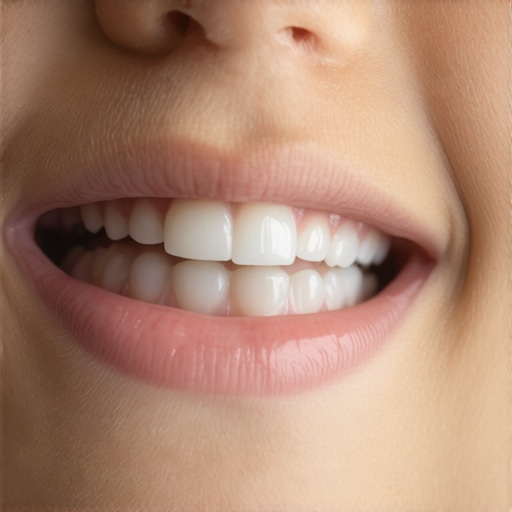
Watch for These Three Red Flags
While most purple spots are harmless, you need to know when the wait-and-see approach should end. If the area starts to drain yellowish fluid, if your child develops a fever over 101 degrees, or if they become so uncomfortable they refuse to drink fluids, it is time for a professional opinion. This is often a great moment to evaluate how to tell if your child is ready for their first dental cleaning. In my case, a quick call to the dentist gave me the peace of mind I needed. They walked me through how these early dental milestones set the stage for later care. Even though we aren’t talking about major procedures for a six-year-old, knowing why crowns are a game-changer in restorative dentistry for adults helps you realize just how important it is to protect these primary and first permanent teeth from the very start.
Keep the Menu Soft and Cool
During the week or two that the purple spot is prominent, you want to avoid anything sharp, crunchy, or excessively hot. I made the mistake of giving Leo some crusty French bread once, and a sharp edge caught the hematoma, causing a little bit of bleeding that sent me into another spiral. Stick to things like chilled yogurt, applesauce, or even the same soft options found in the best snacks for kids with new braces that wont-cause damage. Cold smoothies are also a huge hit. Not only do they provide nutrition, but the cold temperature provides that much-needed numbing effect. Also, while you’re focusing on their diet, make sure you’re teaching them how to stop your toddler from swallowing a mouthful of toothpaste during their regular brushing routine, as the extra sensitivity might make them want to rush or swallow to get it over with quickly.While we navigate the ‘scary’ purple spots in a child’s mouth, we must stay equally vigilant about the subtle signals our own adult dental work is sending us. One of the biggest myths I encounter in family dentistry trends is the idea that once a crown is placed or an aligner is in, the work is simply ‘set and forget.’ In reality, the success of these treatments depends on a highly dynamic fit that requires your active observation. Everyone says you will eventually just ‘get used’ to a new restoration, but in my experience, if something feels slightly off after the first forty-eight hours, it is a sign of occlusal interference. I once ignored a crown that felt just a hair too high, thinking it would settle. Instead, I ended up with a week of throbbing jaw pain because my bite was misaligned. According to research published in the Journal of Oral Rehabilitation, even minor discrepancies in tooth contact can lead to significant muscle fatigue and localized inflammation of the periodontal ligament. Have you ever fallen into this trap where you thought a dental issue would just ‘go away’ on its own? Let me know in the comments!
Why Your New Crown Might Feel Like a Speed Bump
When we discuss choosing the right crown expert advice, we often focus on materials like porcelain or zirconia, but the real expertise lies in the occlusion. If your restoration is even a fraction of a millimeter too high, your jaw muscles will overcompensate, leading to headaches or even a cracked tooth on the opposite side of your mouth. It is a common ‘oops’ factor: spending money to fix one tooth only to cause a structural problem elsewhere. You can learn how to stop your new crown from feeling too high when you chew by being extremely proactive during the seating process. If you feel it when you bite down, tell your dentist immediately; do not assume it will wear down.
Move Past the Vanity Myth of Modern Aligners
There is a persistent belief that Invisalign is just a vanity project for adults who missed out on braces as teenagers. However, invisalign myths debunked show that it is actually a primary tool for preventing gum recession. When teeth are crowded or rotated, you will often notice why your teeth feel fuzzy even after you just brushed them because your brush cannot reach those tight, overlapping spaces. Straightening your teeth is not just about the ‘after’ photo; it is about creating a mouth that is easier to maintain. This is a core part of how invisalign transforms family dentistry, moving it from reactive repairs to proactive health. 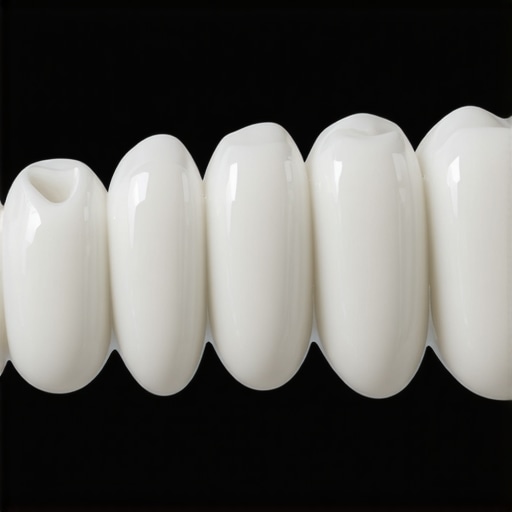
Why does my crown feel taller specifically in the morning?
If you notice the specific reason your crown feels tall when you wake up, the issue often is not the crown itself. Overnight, many of us engage in bruxism—grinding or clenching—which causes the periodontal ligament around that specific tooth to become slightly inflamed and ‘push’ the tooth up. It is a sophisticated nuance that bridges the gap between simple restorative work and family dentistry secrets regarding jaw health. If you are also wondering why your gums feel sore after getting a new dental crown, it is usually because the soft tissue is still adapting to the new margins of the restoration. Understanding these small details can save you from unnecessary anxiety and help you advocate for your own oral health during your next checkup.
Maintaining a high-tech smile isn’t just about that first week of recovery; it’s about the long-term habits that prevent your investments from failing. I personally switched to a high-frequency ultrasonic cleaner for my night guards and aligners last year, and it was a revelation. Because the 3D-printed resins used in modern aligners have microscopic pores, manual brushing often leaves behind a biofilm that causes that dreaded yellow tint. Using the best way to clean your retainers without using harsh chemicals ensures the material stays clear and structural integrity remains intact for years. This is a crucial part of the hidden benefits of invisalign for family dental care in 2025—learning to manage the tech is just as important as the treatment itself.
Protect Your Smile Investment Long After the Numbing Wears Off
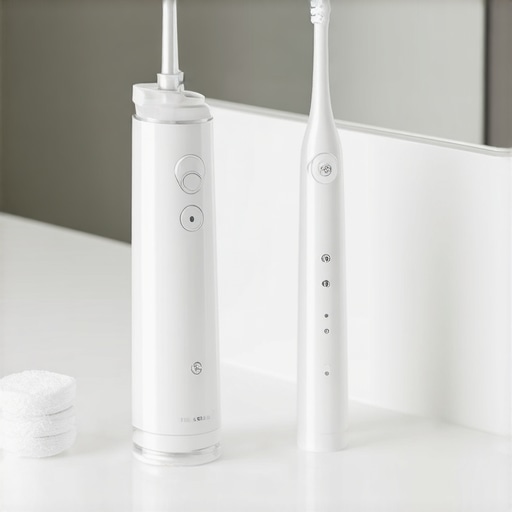
When it comes to restorative work like crowns or bridges, the maintenance game changes. I’ve found that traditional string floss can sometimes snag on the margins of a new restoration, which is why I now swear by a professional-grade water flosser. A study published in the Journal of Esthetic and Restorative Dentistry highlights that specialized irrigation is significantly more effective at managing tissue health around crowns than mechanical scraping alone. If you want the ultimate guide to crowns for a healthier smile, you have to look at the health of the gum line first. This is especially true if you are trying to figure out the best way to clean around a dental implant bridge to avoid inflammation, as the lack of a natural ligament makes those areas more prone to deep-seated bacteria.
Why I Swapped My Floss for a Water Jet
I used to be a traditionalist, but the precision of a targeted water stream allows you to flush out debris from under bridge work and around the base of a crown without the risk of popping the restoration loose. If you have ever experienced what to do when your crown feels taller than your other teeth, you know that even a tiny bit of inflammation in the surrounding tissue can make your bite feel completely off. By keeping the area pristine, you allow the restoration to sit exactly where the dentist intended. I predict that in the next few years, we will see AI-integrated toothbrushes that sync with your phone to provide a literal heat map of where you are missing plaque around your dental work, making invisalign innovations even more effective for home care.
How do I maintain these high-tech dental fixes over time?
The secret is a combination of professional monitoring and non-abrasive cleaning. For those with removable appliances, you should learn the easiest way to clean a night guard that has turned yellow or cloudy using specialized tablets rather than toothpaste, which is too abrasive for the plastic. For permanent work, scheduling a bite-alignment check once a year is my top recommendation. As our jaws naturally shift with age, a crown that fit perfectly five years ago might need a microscopic adjustment to prevent it from cracking under new pressure. I challenge you this week to try one new tool—whether it is a water flosser or an ultrasonic cleaner—and see if you notice the difference in how ‘clean’ your mouth feels. Your future self (and your bank account) will thank you for being proactive.
Lessons My Dentist Taught Me After the Panic Faded
I used to think a dental visit was only for when things went wrong, but I’ve realized that understanding the ‘why’ behind the weird stuff is half the battle. One major lightbulb moment was seeing why your child’s adult teeth look like they have serrated edges; it is not a chip or a break, it is just a natural part of dental development called mamelons that eventually wears down. I also learned that the debate over crowns vs veneers which is better for your smile is really a question of structural integrity versus pure aesthetics, and making that choice early saves a lot of dental headache down the road. Lastly, I found out that a tooth isn’t a static object—it is constantly reacting to its environment, which is why how crowns boost oral health confidence is about more than just a pretty tooth; it is about protecting the foundation of your entire bite.
What’s Actually in My Dental Cabinet
I swear by a professional-grade water flosser because it reaches the tiny crevices around crowns that string floss simply can’t touch without snagging. I also keep a steady supply of non-abrasive cleaning tablets, especially when deciding between invisalign vs braces which solution fits your lifestyle, because keeping appliances clear of bacteria is the only way to avoid ‘fuzzy tooth’ syndrome. Finally, I always keep a copy of our top oral health tips for your familys bright smiles taped inside the medicine cabinet to remind the kids that a little maintenance today prevents a big bill tomorrow.
#IMAGE_PLACEHOLDER_E#
Your Path to Worry-Free Family Dentistry
It is completely normal to feel that surge of panic when you see something new in your child’s mouth or feel a shift in your own dental work. Whether you are navigating the eruption of first molars or trying to transform your smile with a new restoration, the key is to stay curious and proactive rather than reactive. Modern family dentistry is designed to be a partnership between you and your provider, so do not be afraid to ask the ‘silly’ questions that keep you up at night. Have you ever noticed a strange color or sensation in your child’s mouth and immediately feared the worst? Let me know in the comments below!