
The hidden cause of white spots on your teeth after braces
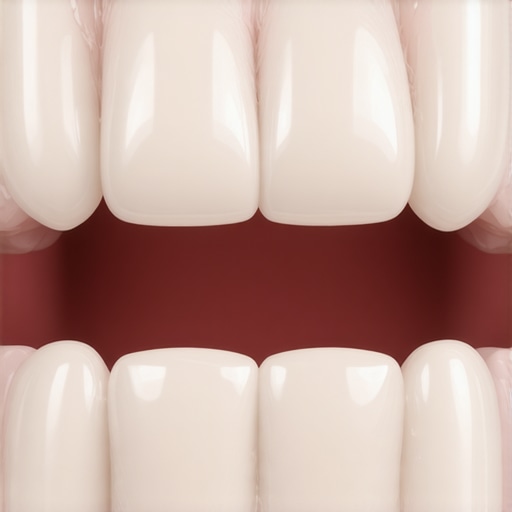
I remember the day my braces finally came off like it was yesterday. I had spent twenty-four months dreaming of that smooth, mirror-finish reveal. But when the orthodontist handed me the mirror, my heart didn’t soar—it sank. Instead of a perfect, uniform smile, I saw these chalky, pale squares right where the brackets used to be. It looked like my teeth had been tan-lined, and I felt like I’d failed a test I didn’t even know I was taking. If you’re standing in front of your bathroom mirror right now feeling that same sting of disappointment, I want you to take a deep breath. You haven’t ruined your teeth forever, and those spots aren’t necessarily a sign that you were lazy with your toothbrush. Today, we are going to dig into why this happens and, more importantly, how we can actually fade those spots into memory.
That Bitter Moment the Brackets Finally Come Off
If you’re seeing those pale patches, you’re likely dealing with something called decalcification. It’s basically the stage right before a cavity forms, where the minerals in your enamel have been leached away. I made the classic mistake of thinking I could just scrub them away with a hard-bristled brush. I actually ended up making my gums sore and sensitive because the reason your gums bleed only when you use a firm toothbrush is usually because you’re over-correcting for a problem that needs a gentler touch. I wish I had known then that the spots were about pH balance, not just ‘dirt.’ Have you ever looked at your teeth after a cleaning and felt like that white spot on your tooth is a cavity waiting to happen? It’s a common fear, but often it’s just the enamel screaming for a little remineralization.
Are These White Spots Actually Permanent?
This is the big question everyone asks me, and the answer is a hopeful ‘not usually.’ While the enamel has been weakened, it is incredibly resilient if you treat it right. According to the American Journal of Orthodontics and Dentofacial Orthopedics, nearly 50% of orthodontic patients develop some level of white spot lesions, primarily due to the way brackets create ‘plaque traps’ that are nearly impossible to clear with standard brushing.
The Hidden Culprit Behind the Discoloration
The real ‘villain’ isn’t just the braces themselves; it’s the acidic environment that lives under the wires. When I had my braces, I didn’t realize that every soda or even ‘healthy’ fruit juice was sitting against my enamel for hours. For those considering a different path, this is why comparing Invisalign vs braces is so important; the ability to remove the aligner to brush is a game-changer for overall oral health. If you’re a parent seeing this in your kids, don’t panic—it’s similar to why a toddler might have white spots on their teeth, usually involving a mix of mineral intake and hygiene habits. Have you noticed these spots appearing more prominently in certain lighting, or did they only show up the second the hardware was removed? I want to hear your story because knowing when they appeared is the first step to fixing them. Let’s look at how we can start the repair process without expensive procedures.
Bring Back the Minerals Your Enamel Lost
The first thing you need to do is stop treating these spots like stains. They aren’t on top of your teeth; they are a sign of structural weakness. I learned this the hard way when I tried to use a charcoal scrub. It turns out the truth about charcoal toothpaste and your enamel health is that it’s way too abrasive for weakened spots. Instead, you need to flood those areas with calcium and phosphate. I spent three months using a topical paste called MI Paste after every brush. It felt like applying a thick mask to my teeth, but it literally feeds the minerals back into the porous white patches. You have to be patient because enamel doesn’t rebuild overnight; it’s a slow, microscopic repair job.
Why You Should Skip the Whitening Kits for Now
When I saw my ‘tan lines,’ my first instinct was to reach for whitening strips. Huge mistake. If you use standard bleach, you’re going to brighten the healthy parts of your tooth while the white spots remain opaque and chalky, making the contrast even worse. Understanding the difference between professional whitening and store-bought strips is crucial here because your dentist has options like resin infiltration that don’t rely on bleach. 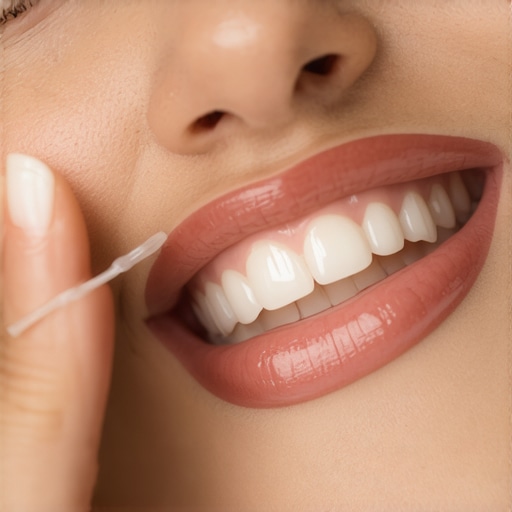
Adjust Your Diet to Save Your Enamel
You can’t heal your teeth if you’re constantly bathing them in acid. For about six months after my braces came off, I became that person who carried a water bottle everywhere. If I had a coffee, I followed it with a water rinse immediately. This maintains a neutral pH, which is one of the top oral health tips for your family’s bright smiles. If your mouth stays acidic, the remineralization paste you’re using won’t stand a chance. I even had to watch what to eat after getting a new dental crown or orthodontic work, avoiding the hidden sugars in ‘healthy’ granola bars that stick to the teeth.
When Professional Restoration Becomes the Better Move
Sometimes, the damage is just too deep for a gel to fix. If you’ve been consistent for six months and the spots are still staring back at you, it might be time to look at restorative options. I’ve seen cases where a tooth was so decalcified that it became brittle. In those instances, the ultimate guide to crowns for a healthier smile becomes your roadmap. A crown doesn’t just hide the spot; it protects the entire tooth structure from further decay. It’s a common step in family dentistry trends improving oral health for all ages, especially for those of us who struggled with hygiene during our teen years with metal hardware.
Let’s dig deeper into why we often fail to see the forest for the trees when it comes to long-term dental health. Most people believe that Invisalign is strictly for teenagers or minor cosmetic adjustments before a wedding. This is a massive misconception. Modern Invisalign innovations have shifted the paradigm, allowing us to treat complex malocclusions that used to be the sole domain of heavy-duty metal brackets. If you’re still basing your decisions on outdated Invisalign myths debunked years ago, you might be overlooking how this technology actually protects your roots and bone structure more effectively than traditional methods.
The Digital Difference in Restorative Work
The biggest ‘oops’ factor I see in my practice is patients who assume all restoration is created equal. They think a crown is just a generic ‘cap’ that goes over a tooth. In reality, the success of your restoration depends entirely on the initial diagnostic phase. A study published in the International Journal of Dentistry confirms that digital impressions for crowns and bridges offer superior accuracy and patient comfort compared to conventional silicone-based impressions. This precision is why finding the best dentistry in Culpeper VA usually starts with a 3D CBCT scan. Without that high-level mapping, you’re far more likely to experience why your new crown feels sensitive to cold drinks or even structural failure down the road. 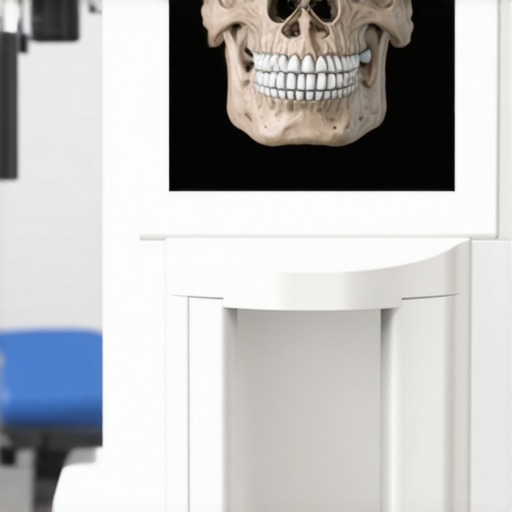
Why Does Your New Aligner Suddenly Feel Like It’s Popping Off?
One of the most common advanced questions I get from patients in the middle of treatment is why your Invisalign aligners keep popping off your back teeth. It usually happens around day ten of a new tray and can feel like a major setback. This usually isn’t a manufacturing error but a ‘tracking’ issue where the tooth isn’t keeping up with the programmed movement. Instead of forcing it, this is where how Invisalign transforms family dentistry in 2025 really shines—the ability to pivot and refine the digital plan mid-stream ensures the bone and gums aren’t stressed. Have you ever fallen into this trap of trying to force a fit that just isn’t there? Let me know in the comments.
Don’t Let Your Crown Choice Become a Long-Term Headache
When it comes to fixing those post-braces white spots or structural chips, many patients feel torn when comparing crowns vs veneers. The nuance most people miss is that while veneers look great, they don’t provide the structural reinforcement needed if decalcification has gone too deep. This is why crowns are a game changer for teeth that have been weakened by years of trapped plaque. By following the ultimate guide to crowns for a healthier smile, you can ensure you’re choosing protection over just a temporary aesthetic fix. If you’ve ever dealt with why your porcelain crown has a tiny chip on the edge, you know that the material choice and the lab’s skill are just as important as the dentist’s hands.
Secrets to Maintaining Your Results
Beyond the chair, family dentistry secrets for long-term health involve understanding the lifecycle of your hardware. Whether you’re learning how to talk to your teen about their stained teeth or managing your own alignment, remember that modern tech is your biggest ally. Have you noticed a difference in how your dentist uses technology today versus ten years ago? I’d love to hear your experiences below.
I’ve found that the biggest hurdle isn’t the two years of treatment; it’s the twenty years that follow. People think the job is done when the bill is paid, but that’s when the real work of preservation begins. Personally, I became obsessed with the mechanics of oral hygiene after my own ‘tan line’ debacle. The most critical tool in my kit isn’t even my toothbrush—it’s my water flosser. I use a high-end cordless model because it reaches the crevices where my permanent retainer meets the gums. If you’ve ever struggled with the secret to eating popcorn with a permanent retainer, you know that standard floss feels like trying to thread a needle in a dark room. Using a water flosser allows me to blast out debris that would otherwise lead to inflammation and new white spots.
Stop the Stealth Decay Lurking Under Your New Hardware
Learning the trick to using a water flosser without making a total mess changed my morning routine from a chore into a thirty-second power wash. It’s not just about comfort; it’s about the longevity of your investment. Whether you are following top oral health tips for your family’s bright smiles or managing a single restoration, consistency is king. I recommend using an alkaline mouth rinse after flossing to neutralize any lingering acids that could soften your enamel or the margins of your new dental work.
Why I Swapped String Floss for a High-Pressure Stream
Looking ahead, we are entering an era of proactive rather than reactive dentistry. Dr. Sandra Tai, a world-renowned authority on clear aligner therapy and author of ‘Clear Aligner Technique,’ points out that the future lies in digital monitoring where your smartphone tracks your tooth movement in real-time. This is exactly how Invisalign transforms family dentistry in 2025; we aren’t guessing anymore. We are using data to ensure your roots stay healthy and your bite remains stable long after the last tray is tossed. The precision of modern 3D mapping prevents the bone stress that used to be a common side effect of rapid tooth movement.
How Do I Keep My Smile Looking This Good for the Next Decade?
If you’ve invested in restorative work, like a crown to fix deep decalcification or a chip, you have to treat it like a luxury car. It needs regular maintenance. Sometimes you might feel weird sensations, like why your dental crown feels like it is vibrating, which is often just a sign of minor occlusal adjustments being needed as your natural teeth shift slightly over time. Following choosing the right crown expert advice for long-lasting results means your restoration could last decades instead of years. Even when considering the truth about how long dental implants actually last, the common denominator is always the quality of your home care and the tools you use to bridge the gap between office visits.
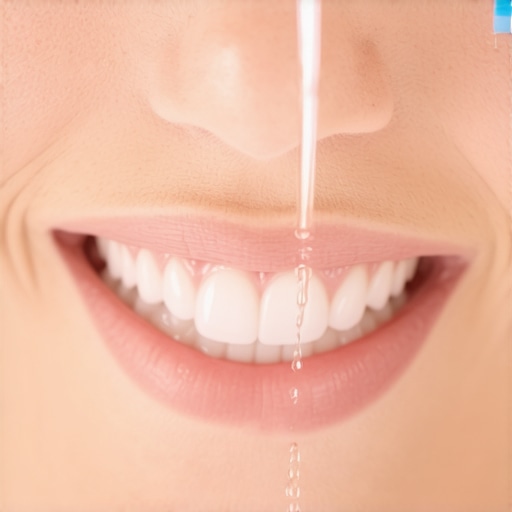
My advanced tip for you this week: try the ‘five-second flush’ technique with a water flosser tonight. Start at the very back molars and work your way forward, pausing for five seconds on each interdental space. You’ll be shocked at how much debris your manual brush actually missed, even if you thought you were cleaning thoroughly. This simple habit is the best defense against the return of those dreaded white spots.
My Biggest “Aha” Moments After Removing the Brackets
Reflecting on my own journey, there are a few things I wish I had known before I ever sat in that chair. First, enamel is dynamic. It isn’t just a static shell; it responds to every sip of coffee and every minute you spend brushing. I also realized that the hidden benefits of Invisalign aren’t just about aesthetics; they are about the ease of cleaning that prevents these spots from forming in the first place. Finally, don’t be afraid of the word “restoration.” Sometimes how crowns boost oral health confidence is by providing a clean slate for a tooth that has been structurally compromised. These reflections changed how I view every dental checkup.
The Essentials for Your Post-Braces Survival Kit
If you want to maintain that “day one” sparkle, you need the right arsenal. I personally rely on a high-pressure water flosser to handle those hard-to-reach areas around permanent retainers. The real secret, however, is having a clinical team that uses the latest diagnostic tools. I recommend looking for a provider who stays ahead of the curve. If you are local and ready to take the next step in your journey, you can always contact us to discuss your specific needs. Trusting the experts and using the right tools—like pH-balanced rinses—is the only way to ensure your oral health remains a priority for the long haul.
Your Best Smile is Still Ahead of You
Don’t let a few white spots or a chipped edge make you feel like your dental journey was a waste. We live in an incredible era of dentistry where digital precision and restorative artistry can fix almost any imperfection. Whether you’re considering a fix for old decalcification or just want to keep your current alignment perfect, remember that consistency and modern technology are on your side. Your smile is an investment that pays off every time you laugh without covering your mouth. Have you ever noticed those chalky white spots on your own teeth after treatment, or did they appear later? Let me know in the comments below!