
The best way to clean your retainers without using harsh chemicals

I’ll never forget the morning I woke up, popped my retainer out, and realized it looked less like a dental appliance and more like a science experiment gone wrong. It had this cloudy, yellowish film that no amount of rinsing could budge. My first instinct? Reach for the heavy-duty stuff. I actually tried soaking it in a diluted bleach solution once—please, never do that. Not only did it taste like a swimming pool for three days, but I also worried I was slowly melting the plastic. It’s a common panic. When you’re focused on top oral health tips for your family’s bright smiles, the last thing you want is a piece of plastic in your mouth that feels like a biohazard. Today, I’m going to share exactly how I ditched the chemicals and found a way to keep my retainers (and my Invisalign trays!) looking brand new using simple, non-toxic ingredients you probably already have in your kitchen. We’re going to solve the cloudy-plastic problem once and for all without the funky aftertaste of commercial cleaners. Have you ever looked at your retainer and wondered if you were actually making your mouth dirtier by wearing it? If so, you aren’t alone, and you definitely don’t need a lab full of chemicals to fix it.
Keep Your Plastic Clear Without Damaging the Fit
Let’s be honest, your retainer is basically a magnet for every bit of plaque trying to make a home in your mouth. When I first finished my orthodontic treatment, I was terrified of messing things up. I even fell for a few Invisalign myths that suggested only expensive, brand-name crystals could keep things sterile. I made the mistake of using a firm toothbrush and whitening toothpaste to scrub my trays, thinking more grit meant more clean. Big mistake. I ended up with tiny micro-scratches that actually trapped *more* bacteria and made the trays look permanently foggy. If you’ve been wondering how to prevent bad breath when you are wearing a retainer, the answer isn’t harder scrubbing—it’s smarter soaking.
Can natural cleaners actually kill the gross stuff?
It’s a fair question to be skeptical about. We’ve been conditioned to think that if it doesn’t fizz and turn bright blue, it isn’t working. However, the goal is to sanitize without compromising the structural integrity of the plastic. According to research published in the Journal of Clinical Orthodontics, common household items like white vinegar are remarkably effective at reducing Staphylococcus and Streptococcus bacteria without the corrosive side effects of commercial cleaners. Whether you are at home or looking for the best way to travel with aligner cleaners, these natural methods are actually more portable and sustainable than you might think. We are looking for that perfect balance: a retainer that is hospital-clean but doesn’t feel like it’s been marinating in a vat of industrial solvent.
The Simple Vinegar Soak for Cloud-Free Trays
The most effective tool in your kitchen for fighting calcium buildup isn’t a scrub brush—it is white distilled vinegar. Because it is mildly acidic, vinegar breaks down the mineral deposits (that white, crusty stuff) without eating away at the medical-grade plastic. I recommend a simple 50/50 mixture: one part white vinegar and one part lukewarm water. It is vital to avoid hot water at all costs. I learned this lesson the hard way during my first month of treatment when I thought a hot bath would sanitize my trays faster, only to find the plastic warped so badly I had to pay for a replacement. When you are weighing invisalign vs braces which solution fits your lifestyle, remember that the convenience of removable trays comes with the responsibility of keeping them cool and clean. Soak your trays for about 20 minutes while you eat dinner, then rinse them thoroughly. This routine is also the best way to travel with aligner cleaners in your carry on because vinegar is accessible almost anywhere in the world.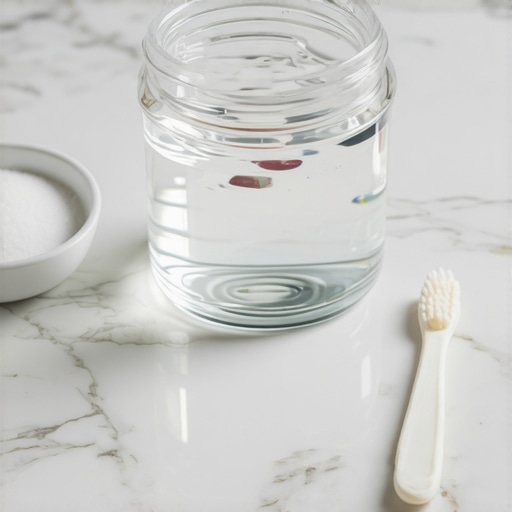
Use Baking Soda to Lift Persistent Stains
If your trays have started to take on a yellow tint from coffee or tea, vinegar alone might not cut it. This is where baking soda becomes your best friend. It is a very mild abrasive—much gentler than the silica found in most toothpastes—which means it can lift stains without leaving those microscopic scratches that harbor bacteria. To do this, mix a small amount of baking soda with just enough water to create a paste. Use a soft-bristled baby toothbrush to gently massage the paste into the grooves of the plastic. This mechanical action, combined with the deodorizing properties of the soda, is a major factor in how to prevent bad breath when you are wearing a retainer. Unlike commercial cleaners that use artificial scents to mask odors, baking soda actually neutralizes the acids that cause the funk in the first place. Rinse it off until the water runs clear, and you will notice an immediate difference in the clarity of the material.
Switch to Castile Soap for a Fresh Daily Clean
For your daily morning and night routine, reach for a liquid Castile soap, like Dr. Bronner’s, instead of your standard hand soap or dish detergent. Most hand soaps contain dyes, heavy fragrances, and lotions that leave a film on the plastic, which can eventually irritate your gums. Castile soap is vegetable-based and rinses away completely, leaving zero residue behind. I personally prefer the peppermint version because it leaves a hint of freshness that doesn’t feel like a chemical factory. One time, I was staying at a remote cabin and forgot my cleaning kit entirely. My trays were starting to feel thick with biofilm, and I could tell why your invisalign trays are suddenly making you lisp is often linked to that sticky buildup interfering with your tongue’s movement. I found a bottle of peppermint Castile soap in the shower, gave my trays a quick wash, and they felt brand new. It was a simple fix that saved my weekend and kept my top oral health tips for your family’s bright smiles strategy on track even without my usual supplies. If your mouth feels particularly sensitive after a deep clean, you can even follow up with the salt water rinse trick for a sore mouth to soothe your gums before popping the trays back in.While keeping your retainers clear is a great start, many of us fall into the trap of thinking our restorative dental work is a ‘set it and forget it’ situation. The biggest myth in family dentistry secrets maintaining oral health with modern techniques is that a crown or an aligner is indestructible. In reality, the margin where your crown meets your natural tooth is the most vulnerable square millimeter in your mouth. Most people assume that because a tooth is capped, it can’t get a cavity. I’ve seen this mistake lead to total tooth loss more times than I can count. Even with choosing the right crown expert advice for long lasting results, the longevity of your smile depends on your understanding of occlusal pressure and marginal integrity.
Stop Treating Your Dental Crown Like a Permanent Fix
In my experience, patients often think why crowns are a game changer in restorative dentistry is purely about strength. However, the real nuance lies in how that crown interacts with your bite over time. A common ‘oops’ factor is ignoring a crown that feels just slightly ‘high’ when you bite down. You might think you’ll just get used to it, but a crown that is even a fraction of a millimeter too tall can cause ‘occlusal trauma.’ According to a study in the Journal of Oral Rehabilitation, chronic bite misalignment can trigger localized bone loss and even kill the nerve of the tooth, leading to an unexpected root canal. If you find yourself wondering what to do when your crown feels taller than your other teeth, the answer is to see your dentist immediately for a minor adjustment before the pressure causes a crack. #IMAGE_PLACE_HOLDER_C#
Why does a perfectly fitted crown suddenly feel wrong months later?
This is a sophisticated question that points to the dynamic nature of our mouths. Your teeth aren’t fixed in stone; they move. If you stop wearing your retainer or develop a habit of grinding, your teeth shift, and that once-perfect crown can start taking the brunt of the force. This is often why your crown feels sensitive to cold months after it was placed. It isn’t necessarily a new cavity; it’s often your ligament screaming for relief from the excess pressure.
Don’t Ignore the Danger of a High Tooth
Another hidden nuance involves the long-term periodontal impact of alignment. People often view the hidden benefits of invisalign for family dental care in 2025 as strictly cosmetic, but the real benefit is hygiene. Straight teeth are easier to clean, yes, but properly aligned teeth also distribute chewing forces evenly. When you skip your nighttime retainer or ignore a shifting bite, you’re essentially creating ‘traps’ where plaque can thrive and bone can recede. If you’ve been diligent about your routine but still notice issues, take a look at the specific food that cracks more teeth than anything else—like unpopped popcorn kernels—which can be the final straw for a tooth already under stress from a poor bite. Have you ever fallen into this trap of thinking a dental fix was ‘set it and forget it’? Let me know in the comments.Moving beyond the ‘set it and forget it’ mentality requires a shift in the tools you keep in your bathroom cabinet. While a standard toothbrush is great for the surfaces of your teeth, it often fails to reach the intricate margins of a new restoration. If you want to truly protect your investment, you need to think about cavitation. I recently started using a dedicated ultrasonic cleaner—specifically one that operates at a 42,000Hz frequency—for my retainers and removable bridges. This isn’t just a fancy jewelry bath; the high-frequency sound waves create microscopic bubbles that implode, literally blasting biofilm off the plastic and metal without the need for abrasive scrubbing. When you consider why crowns are a game changer in restorative dentistry, you realize that their longevity is directly tied to how clean you keep that microscopic seam where the porcelain meets your gum line. For those with permanent fixtures, I cannot recommend a high-quality water flosser enough. It’s the only way to effectively flush out the sulcus around a crown or bridge without risking the ‘tug’ that sometimes happens with traditional string floss. 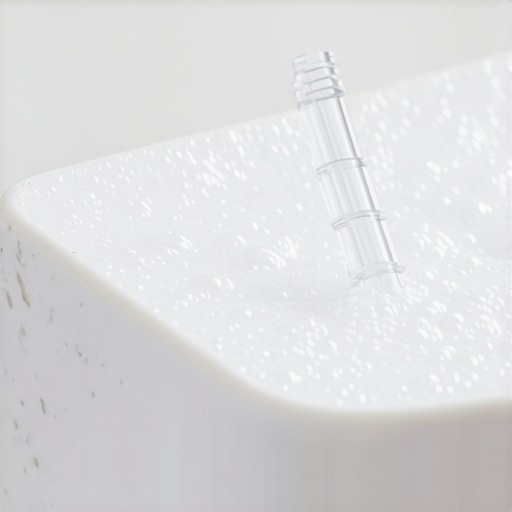
How do I maintain my restorative work over the long haul?
The secret isn’t just in the daily scrub; it’s in monitoring the ‘occlusal drift’ or the way your teeth naturally shift as you age. Research in the Journal of Prosthetic Dentistry indicates that even minor changes in your chewing patterns can increase the failure rate of ceramic restorations by up to 15% over a five-year period. This is why I tell everyone that the ultimate guide to crowns for a healthier smile must include a commitment to regular bite assessments. If you’ve noticed your crown feels tall when you wake up, your body is giving you a signal that your alignment is off. Addressing these small shifts early through family dentistry trends improving oral health for all ages—like wearing a night guard—can prevent a multi-thousand-dollar replacement down the road.
Look for 3D Scanning to Predict Future Tooth Wear
As we look toward the future, the way we track oral health is moving away from reactive fillings and toward predictive modeling. We are entering an era where how Invisalign transforms family dentistry in 2025 involves AI-driven software that compares your current 3D scan to one from two years ago. This ‘time-lapse’ technology allows us to see exactly where your enamel is thinning before you ever feel a sensitivity. It’s a level of precision that makes why finding the best dentistry in Culpeper VA usually starts with a 3D CBCT scan so obvious. Instead of guessing if a tooth is shifting, we can measure it to the tenth of a millimeter. If you have sensitive areas, make sure you are using the safest way to use an electric toothbrush on sensitive teeth by choosing a pressure-sensitive model that slows down the motor when you press too hard. My challenge for you this week: pick up an inexpensive ultrasonic cleaner for your removable appliances or schedule a 3D wellness scan to get a ‘baseline’ of your smile for the future.
The Hardest Lessons I Learned About Keeping My Smile in Place
Reflecting on years of orthodontic and restorative work, I’ve realized that the most expensive mistake you can make is treating your dental health like a finished project. One of the biggest family dentistry secrets I’ve discovered is that your mouth is an ever-changing environment. Even after choosing the right crown expert advice for long-lasting results, you must remain vigilant about how your bite shifts. I used to think my nighttime routine was just about hygiene, but I’ve learned it is actually about protecting the structural investment I’ve made. Another lightbulb moment was realizing that ‘clean’ doesn’t mean ‘sterile’—it means maintaining a healthy microbiome while keeping your appliances free of calcified plaque.
The Three Tools I Actually Use Every Single Night
If you want to move beyond the basic toothbrush, I recommend curating a specific toolkit. First, an ultrasonic cleaner is non-negotiable for anyone with Invisalign or retainers to blast away biofilm. Second, I swear by hydroxyapatite toothpaste to help remineralize the enamel around my crown margins. Third, a high-quality water flosser allows you to transform your smile and ensures the gum line stays pink and healthy. Staying updated on Invisalign innovations has taught me that the tools we use today are vastly superior to what was available even five years ago.
Stop Waiting for a Dental Emergency to Take Action
Your journey toward better oral health doesn’t have to be overwhelming. Whether you are dealing with crowns, Invisalign, or simply want to improve your family dentistry routine, the key is consistency over intensity. You don’t need a miracle; you just need a system that works for your life. If you feel unsure about your current setup or need a professional assessment, contact us to get personalized advice tailored to your unique smile. Have you ever noticed your retainer getting cloudy even when you think you are cleaning it perfectly? Let me know in the comments below!