
Why your veneers look bulky and how to fix them
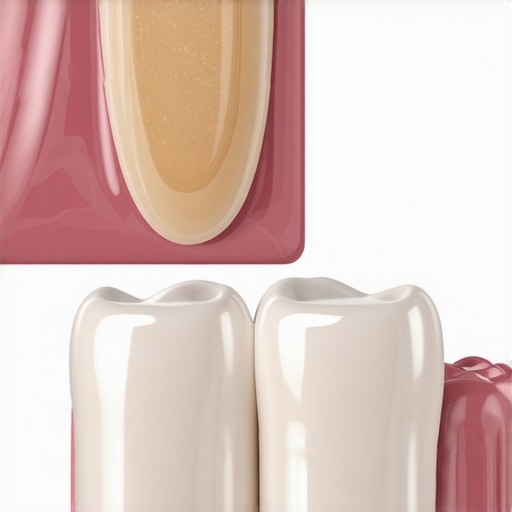
I’ll never forget the car ride home from the dentist after my final veneer placement. I was prepared to take a million selfies, but when I flipped down the sun visor mirror, I didn’t see a movie star. I saw a horse. Or at least, that’s how it felt. My teeth were blindingly white, sure, but they were *thick*. They felt heavy, they pushed my upper lip out in a weird way, and honestly, I felt like I was wearing a mouthguard I couldn’t take out. It’s a gut-wrenching feeling when you’ve invested so much time and money into modern oral health techniques only to end up wanting to hide your mouth. I remember thinking, is this just what ‘perfect’ teeth are supposed to feel like?
The Moment I Realized My New Smile Looked Like a Set of Piano Keys
If you’re reading this, you’ve probably had that same sinking realization. You expected a subtle enhancement, but instead, your teeth look ‘stuck on.’ This happens more often than you’d think, and it usually boils down to the lab technician’s skill or the dentist not removing enough enamel to make room for the porcelain. I learned the hard way that if the prep work isn’t precise, you end up with veneers that look bulky compared to your natural teeth. It’s not just in your head. When porcelain is layered too thick, it loses that translucency that makes real teeth look alive. My biggest mistake? I was so excited to skip the ‘shaved down’ look that I pushed for ‘no-prep’ veneers without realizing my specific tooth alignment didn’t support them. My dentist at the time didn’t push back, and the result was a ‘shelf’ of porcelain that caught my lip every time I smiled. [IMAGE_PLACEHOLDER]
Can You Actually Thin Them Out Without Starting Over?
Many people fear that once the cement is dry, they are stuck with those blocky squares forever. You might worry that any adjustment will crack the porcelain or leave you with a sandpaper texture. However, a skilled cosmetic dentist can often perform ‘recontouring’—carefully polishing down the edges and bulkiness to create a more natural silhouette that fits your face. According to the American Academy of Cosmetic Dentistry, the ideal thickness for a veneer is often as thin as a contact lens, around 0.3mm to 0.5mm. When they exceed this, the light hits them differently, making them look like solid blocks rather than layered, natural structures.
Why Your Smile Shape Depends on More Than Just White Porcelain
It isn’t just about the thickness; it’s about the anatomy. Natural teeth have tiny grooves, subtle dips, and varied edges. When veneers are made too flat or too long, they lose the light-reflecting properties of a real smile. Sometimes, the issue isn’t even the veneer itself but how it interacts with your bite. I’ve seen cases where a crown feels tall when you wake up, which is a similar sensation of ‘too much’ material in the mouth. It’s about balance. If the ceramist at the dental lab doesn’t have a clear picture of your facial structure, they might default to a ‘one size fits all’ shape. We’re going to dive into the specific ways to talk to your dentist about a refinement today. Have you felt like your new teeth are pushing your lips forward or making it hard to speak clearly? Drop a comment below, because you definitely aren’t alone in this.
Get Your Natural Lip Profile Back by Narrowing the Porcelain
It took three follow-up appointments before I worked up the nerve to tell my dentist exactly what was wrong. I wasn’t just ‘getting used to them.’ I finally sat in the chair, grabbed a hand mirror, and pointed to the canine on the left. “This one feels like a shelf,” I said. He used a fine-grit diamond burr to take off just a fraction of a millimeter from the front surface and the biting edge. The difference was night and day; suddenly, my lip didn’t snag when I laughed. If you feel like your teeth are too prominent, you are likely dealing with excess thickness at the cervical third (near the gums) or the incisal edge. Much like why your new dentures feel like they are pushing your lips forward, veneers that are even 0.5mm too thick can disrupt your entire facial profile.
Identify Where the Excess Material is Actually Hiding
Before you go in for a correction, you need to pinpoint the discomfort. Is the tooth hitting your bottom lip when you speak? That’s an incisal edge issue. Does your mouth feel ‘full’ even when you aren’t talking? That’s likely facial bulk. I remember my dentist explaining that when we choose crowns vs veneers, the preparation of the underlying tooth is what dictates the final volume. If the dentist was too conservative with the ‘shaving,’ the porcelain has nowhere to go but outward. You should use a piece of floss to check if the bulk is between the teeth, which often makes them look like a solid white block rather than individual units. 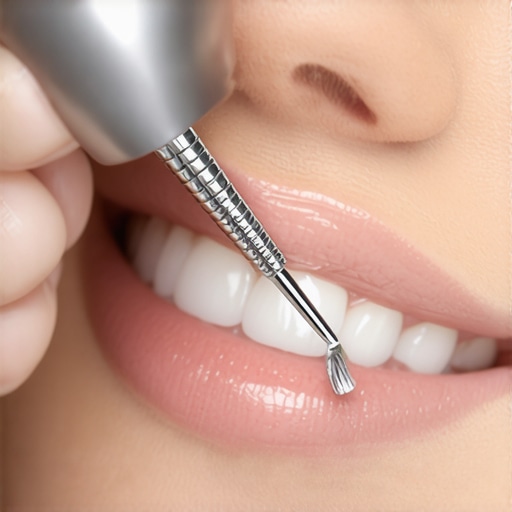
Request These Specific Adjustments at Your Next Visit
When you sit in the chair, don’t just say they feel ‘big.’ Ask for ‘micro-aesthetic recontouring.’ This involves using specialized polishing disks to thin the porcelain without losing the structural integrity of the bond. It’s a similar process used when you need to how to stop your new crown from feeling too high when you chew. The dentist will focus on the ’embrasures’—the small V-shaped spaces between the tips of your teeth. By deepening these slightly, the teeth look more separate and less like a ‘keyboard.’
How to Manage the Sensitivity During the Refinement Process
One thing I didn’t expect was a bit of temporary zing. Even though porcelain doesn’t have nerves, the vibrations from the polishing tool can travel. It is very common to find that your gums feel sore after getting a new dental crown or having veneers adjusted because the tools get close to the soft tissue. If your dentist has to remove a significant amount of porcelain, they should follow up with a high-luster polishing paste to ensure the surface is as smooth as glass. A rough veneer will pick up stains faster than you can say ‘iced coffee.’ If you notice a dark spot after the adjustment, you’ll need to know how to tell the difference between a deep cavity and a surface stain, as it might just be the porcelain texture catching particles. The goal is a surface that feels ‘wet’ and slick to your tongue, not fuzzy or gritty.While most people think symmetry is the ultimate goal, I’ve learned that absolute mathematical perfection is actually the enemy of a believable smile. If every tooth is a perfect mirror image of its neighbor, it screams ‘fake.’ True expertise in family dentistry trends involves incorporating ‘incisal characterization’—tiny, intentional variations in length and translucency that mimic nature.
Stop Chasing Perfect Symmetry for a Believable Result
In my experience, the best results come when we embrace ‘harmonious asymmetry.’ A common trap is assuming that Invisalign myths debunked suggests you only need straight teeth for a healthy look. In reality, the way your teeth reflect light depends on their surface texture. If the porcelain is too smooth, it looks like plastic. If it is too rough, it feels like sandpaper and picks up stains. The ‘Oops’ factor here is choosing a ‘Hollywood White’ shade without considering your natural eye-white color. If your teeth are whiter than the whites of your eyes, they will always look artificial. Have you ever fallen into this trap? Let me know in the comments.
Does your new restoration respect the biological width?
This is a question most patients never think to ask, but it is the difference between a lifetime of health and chronic inflammation. According to research published in the Journal of Periodontology, infringing upon the ‘biological width’—the specific distance required between the base of a restoration and the supporting bone—is the leading cause of those puffy, red gums that never seem to heal after dental work. When you are choosing the right crown expert advice, ensure they use high-powered magnification to see exactly where the porcelain meets the tissue. 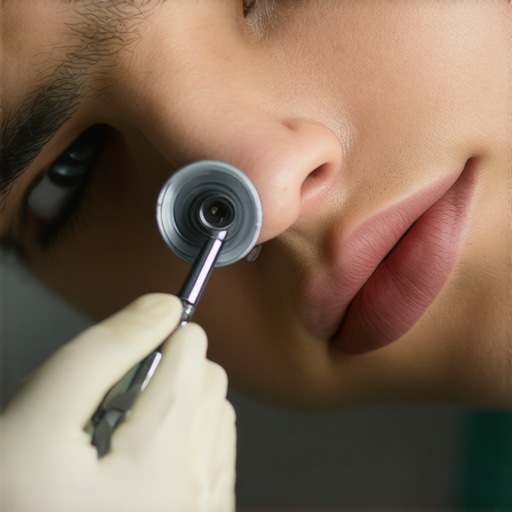
The Real Danger of Conservative Prep Mistakes
Many people believe ‘no-prep’ is the safest route because it saves enamel. However, this is often a misconception that leads to the very bulkiness we are trying to avoid. If a dentist does not create a dedicated ‘seat’ for the restoration, you end up with an over-contoured tooth that traps bacteria at the margin. It is often better to have a strategic, minimal reduction than a bulky ‘shelf’ that causes gum recession. If you find why your crown feels sensitive to cold months after it was placed, it might be because the margin isn’t sealed perfectly, not just because of the temperature itself. Even when looking at the hidden benefits of Invisalign, the focus should not just be on the movement, but on how the teeth will finish in a way that allows for easy cleaning. If you have naturally thin enamel, the strategy changes entirely; you cannot just shave and hope for the best. You need a specialist who understands bonding chemistry at a molecular level to ensure the restoration stays thin but strong.
Once you’ve finally achieved that ‘not-too-thick’ look, the real work begins: protecting your investment. I’ll be honest, I used to think a quick brush was enough, but maintaining high-end porcelain is a different game entirely. I personally switched to an ultrasonic cleaner for my night guards and aligners because manual scrubbing just doesn’t get the biofilm out of the microscopic pores of the material. If you want to clean your retainers without using harsh chemicals, you need to avoid the standard toothbrush-and-paste method. The bristles create tiny micro-scratches that harbor bacteria and eventually lead to a dull, yellowed appearance.
Stop Scratching Your Glaze with High-Abrasive Pastes
When it comes to the restorations themselves, your choice of toothpaste is the most important decision you make daily. Most commercial whitening pastes are essentially liquid sandpaper. I learned this the hard way when my veneers started losing their luster after only two years. To keep them looking fresh, you must look at the Relative Dentin Abrasivity (RDA) value of your paste. According to the Kois Center for dental excellence, maintaining the structural integrity of porcelain requires using a paste with an RDA under 70. This ensures you aren’t literally grinding away the polished finish that mimics natural enamel. If you are using the safest way to use an electric toothbrush on sensitive teeth, you must pair it with a non-abrasive gel to prevent micro-pitting on the porcelain surface.
How do I maintain my new smile without constant dental visits?
The answer lies in specialized tools that reach where a brush cannot. I swear by a high-quality water flosser, but I add a capful of alcohol-free fluoride rinse to the reservoir. This helps irrigate the margins—the tiny area where the veneer meets the gum—which is the most vulnerable spot for decay. You also need to be hyper-vigilant about your diet. I have seen more beautiful smiles ruined by the specific food that cracks more teeth than anything else—hard-shelled popcorn kernels and ice—than by actual lack of hygiene. If you can’t resist your morning brew, you should learn how to keep your aligners clear while drinking tea or coffee to prevent the edges of your restorations from picking up a dark rim over time.
Predicting the Rise of 3D Printed Custom Ceramics
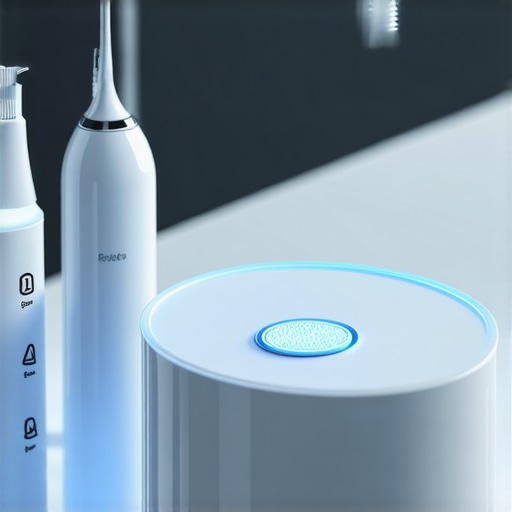
Looking ahead, the ‘bulky veneer’ era is quickly coming to an end. We are moving toward a future dominated by AI-driven smile design and real-time 3D ceramic printing. In the next five years, Invisalign innovations will likely integrate directly with restorative software to plan the exact thickness of your future crowns before you even finish your alignment. This level of precision means we won’t have to guess about lip support or bulkiness; the software will calculate the 0.3mm clearance required for a perfect profile automatically. It is an exciting time for maintaining oral health with modern techniques because the margin for human error is shrinking every day. My advice? Invest in a dedicated sonic bath for your dental appliances today—it is the single best way to ensure your restorations don’t develop that ‘old dental work’ smell or cloudiness.
Hard Truths About Living with Porcelain Enhancements
Reflecting on my own dental journey, I’ve realized that the glossiest brochure cannot replace the value of a dentist who actually listens. The first lesson I learned is that you must be your own strongest advocate. If something feels off, it usually is. Choosing the right crown expert advice means finding a professional who prioritizes function and facial harmony over a quick aesthetic fix. Another lightbulb moment was understanding that ‘less is often more.’ If you have naturally thin enamel, the bonding process is even more delicate, and rushing into high-bulk restorations can lead to permanent sensitivity. Finally, remember that your gums need time to settle. Don’t panic during the first 48 hours, but if your speech or bite feels altered after a week, it is time to schedule that refinement appointment.
My Vetted Kit for Protecting Your Investment
I’ve spent a small fortune on dental care, and I’ve learned that the right tools make or break the longevity of your smile. Here is what I keep in my medicine cabinet: First, a high-quality water flosser. It is non-negotiable, especially for cleaning around a dental implant bridge to avoid inflammation where traditional floss might snag. Second, a dedicated ultrasonic cleaner. I use this as the easiest way to clean a night guard without scratching the surface. Third, always choose a pH-neutral, low-abrasive gel toothpaste to keep that porcelain glaze intact. These simple additions have kept my ‘new’ teeth looking as bright as the day they were bonded.
[IMAGE_PLACEHOLDER]
You Deserve a Smile That Feels Like You
At the end of the day, the goal of cosmetic dentistry isn’t to look like a different person; it is to look like the best version of yourself. When you finally transform your smile and boost oral health confidence, you shouldn’t be thinking about your teeth every time you speak. You should be able to laugh, eat, and breathe without feeling like you are wearing a mask. While the road to fixing bulky veneers can be frustrating, the technology behind modern oral health techniques is on your side. Don’t settle for ‘thick’ when you can have ‘perfectly you.’ Have you ever felt like your new teeth were pushing your lips out too far during those first few days? Let me know your experience in the comments below!