
How to tell if your toddler has a cavity between their back teeth
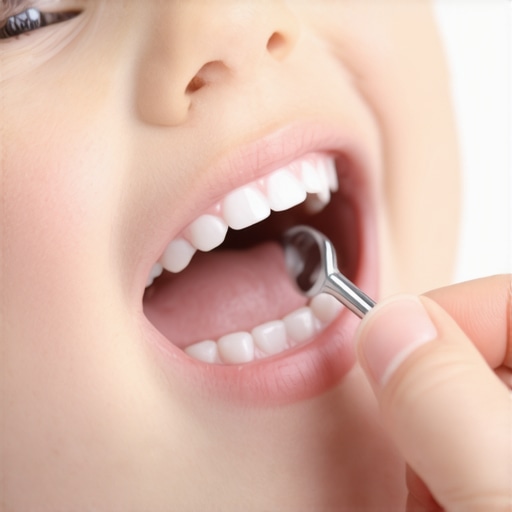
I’ll never forget the night I was chasing my three-year-old around the living room with a toothbrush, feeling like a total champion for actually getting her to sit still for sixty seconds. I thought I was doing everything right. We were following all the top oral health tips for your family’s bright smiles, yet I was completely blind to what was brewing in the back of her mouth. It started with a tiny, dark shadow between her molars. I convinced myself it was just a stubborn piece of fruit snack. Spoiler alert: it wasn’t. That ‘fruit snack’ turned into a painful lesson in pediatric dentistry and a very expensive afternoon. I made the classic rookie mistake of thinking that if her teeth looked white from the front, they were healthy all the way through.
Those Back Teeth are the Perfect Hiding Spot
The problem with toddler mouths is that those back molars are often packed together like sardines. Even if you’re a pro at how to stop your toddler from swallowing a mouthful of toothpaste, if you aren’t looking between the teeth, you’re missing half the story. Cavities back there are sneaky. They start on the inner walls where the teeth touch, invisible to the naked eye until the enamel finally collapses into a hole. According to the American Academy of Pediatric Dentistry, tooth decay is the most common chronic childhood disease, occurring five times more frequently than asthma. It happens fast. One day it’s a shadow, the next you’re searching for how to help a child who is afraid of the sound of the dental drill. I want to help you avoid that panic. Have you ever noticed a weird spot on your kid’s teeth and just hoped it would go away?
Do baby teeth cavities really need a fix?
I hear this all the time from parents at the park: ‘They’re just going to fall out anyway, right?’ That was exactly my skepticism before I saw my daughter’s face swell up. Here is the hard truth: baby teeth hold the space for adult teeth. If a cavity between the back teeth gets out of hand, it can lead to infections that affect the permanent teeth waiting underneath. Plus, a toddler in pain is a nightmare for everyone involved. Knowing how to tell the difference between a deep cavity and a surface stain is your first line of defense. Today, we’re going to walk through the visual cues, the behavioral changes, and the simple ‘flashlight test’ I now use every single week to make sure we’re never caught off guard again.
Take the Guesswork Out of Your Toddler’s Dental Checkups
To stop a tiny shadow from turning into a massive headache, you need to be proactive. Think of your child’s back molars like the engine of a car; you can’t just look at the hood and assume everything is fine. You have to get under there with a light.
Perform the 60-Second Flashlight Sweep Every Sunday
I started doing this after our first dental ‘incident.’ Once a week, while my daughter is laying back during her bedtime story, I use a high-powered LED flashlight (my phone light works in a pinch) to look at the biting surfaces of those back teeth. You aren’t just looking for black spots. You’re looking for a change in opacity. If a tooth looks ‘chalky’ or has a matte white patch, that’s demineralization—the precursor to a cavity. Last month, I noticed a tiny greyish hue underneath the enamel of her bottom left molar. Because I caught it early, we were able to use a fluoride treatment instead of needing to learn how to choose a crown expert for a toddler. #IMAGE_PLACE_PLACEHOLDER_B#
Listen for the Snap and Feel for the Snag
Flossing isn’t just about removing old broccoli; it’s a diagnostic tool. When you are dealing with the best strategy for flossing when your teeth are tightly crowded, pay attention to how the floss moves. If the floss shreds or ‘snags’ in the same spot every time, it usually means the enamel is no longer smooth. That rough patch is often a cavity starting between the teeth where you can’t see it. I remember flossing my son’s teeth and feeling a weird ‘catch’ on his upper right side. I thought it was just a tight fit, but it was actually the edge of a small lesion. Early detection like this is a cornerstone of family dentistry secrets for maintaining oral health with modern techniques.
Identify the Non-Verbal Clues Your Child is Sending
Toddlers are notoriously bad at saying ‘My second molar has a dull ache.’ Instead, they get cranky, refuse certain foods, or chew exclusively on one side. Pay attention to their breath, too. While why your child’s breath smells sour in the morning is common due to dry mouth, a persistent metallic or ‘off’ smell can indicate active decay. One week, my daughter started leaving her favorite cold yogurt untouched. It wasn’t a phase; the cold was hitting a sensitive spot. If they suddenly avoid their favorite snacks, it’s time to check if they need the ultimate guide to crowns for a healthier smile or if a simple filling will suffice. Being observant saves you from the stress of emergency visits and helps you stay on top of family dentistry trends improving oral health for all ages.
Stop Treating Crowns Like Bulletproof Armor
Most people assume that once a dentist places a crown, that specific tooth is basically invincible. I’ve seen parents relax their guard, thinking the porcelain shell protects the tooth from everything from sugar to neglect. But here’s the contrarian truth: a crowned tooth often requires more precision in care, not less. The specific ‘trap’ most patients fall into is ignoring the margin—the microscopic line where the crown meets your natural gum. If you don’t master the safest way to clean a dental crown that feels sticky, you risk what we call ‘recurrent decay.’ This is when a cavity forms underneath the expensive restoration, often going unnoticed until the entire structure fails.
Align Your Bite to Save Your Gums
Another common misconception is that clear aligners are strictly for teenagers or adults chasing a ‘perfect’ Instagram smile. In my experience, the hidden benefits of Invisalign for family dental care in 2025 are actually rooted in long-term periodontal health. When teeth are crowded, they create tight ‘biofilm harbors’ that even the most expensive electric toothbrush cannot reach. By moving those teeth into the correct position, you are essentially streamlining your hygiene routine. It’s much easier to follow top oral health tips for your family’s bright smiles when your floss can actually glide between every single contact point without shredding or snagging on overlapping enamel. 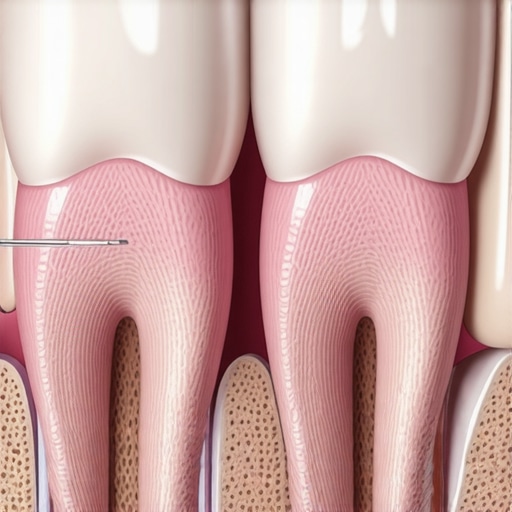
Why do some restorative fixes feel ‘off’ long after the procedure?
If you’ve ever noticed why your dental implant crown feels different than your natural teeth, you’re noticing the lack of a periodontal ligament. Unlike natural teeth, which have tiny sensory fibers that act as shock absorbers and communicators, an implant is fused directly to the bone. This means your brain doesn’t receive the same ‘pressure feedback’ when you bite down. This nuance is exactly why choosing the right crown expert is a non-negotiable step for the health of your jaw. According to a study published in the Journal of Prosthetic Dentistry, even a microscopic discrepancy of a few microns in how a crown sits can lead to chronic jaw tension or ‘occlusal trauma’ over several months.
Stay Vigilant After the Dental Chair
Don’t fall into the trap of thinking a lack of pain means a lack of problems. If you find yourself asking why your crown feels sensitive to cold months after it was placed, it’s a signal that the seal might be compromised or the bite is slightly high. Modern family dentistry secrets for maintaining oral health with modern techniques emphasize that prevention is an ongoing dialogue, not a one-time event. Have you ever fallen into this trap of thinking a dental fix was ‘permanent’ only to have it surprise you later? Let me know in the comments.
How can I make my dental work last a lifetime?
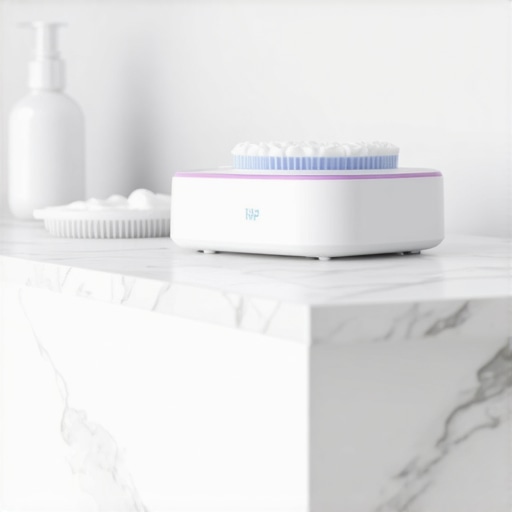
The secret isn’t just brushing more frequently; it’s about shifting to professional-grade tools that reach the zones a standard brush simply cannot touch. I personally recommend investing in a high-quality ultrasonic cleaner for anything removable. If you have ever wondered why your Invisalign case smells even after you wash it, it is because bacteria embed themselves in microscopic pores in the plastic. A five-minute cycle in an ultrasonic bath is the only way I have found to truly keep your breath fresh while wearing Invisalign trays all day without damaging the material with abrasive toothpaste.
Switch to Interdental Brushes for Crown Protection
When it comes to my own crowns, I have moved away from traditional string floss in favor of interdental brushes. String often glides right over the ‘margin’ or the shelf where the crown meets your natural tooth structure, leaving behind sticky biofilm. If you are currently looking for the move to stop a toothache from ruining your sleep, the culprit is often this hidden debris causing gum inflammation. According to the Clinicians Report by Dr. Gordon Christensen, mechanical cleaning with these tiny brushes is the most effective way to prevent the secondary decay that kills most dental restorations. I also recommend mastering the move to stop a crown from trapping food every time you eat steak by using a water flosser on a medium-low setting to flush the sulcus area twice a day.
The Future of Your Bathroom Vanity
I predict that within the next five years, we will see a major shift toward AI-integrated oral care. We are already seeing Invisalign innovations and the future of family dentistry moving toward remote monitoring apps that use your smartphone camera to track tooth movement and gum health in real-time. This tech will essentially act as a 24/7 dental assistant in your pocket. Until that becomes the standard, you must remain the expert of your own mouth. My challenge for you: Buy a pack of sized interdental brushes this week and use them in the gaps around your molars. You will likely see exactly why family dentistry secrets for maintaining oral health with modern techniques focus so heavily on the spaces between the teeth rather than just the surfaces.
Three Hard Truths About Maintaining a Lifetime Smile
Reflecting on my journey through pediatric scares and adult restorations, I’ve realized that the biggest ‘win’ isn’t a perfect cleaning—it’s the absence of surprise. First, I learned that top oral health tips for your family’s bright smiles only work if you apply them with a ‘detective’ mindset; it is not enough to brush, you have to actively investigate the spaces between. Second, many Invisalign myths debunked reveal that alignment is about hygiene, not just vanity—straight teeth are simply easier to keep clean and prevent decay. Finally, never wait for pain to be your guide. By the time a tooth hurts, you’re usually desperately searching for the move to stop a toothache from ruining your sleep instead of a simple preventive fix.
The Toolkit That Keeps My Family Out of the Dentist’s Chair
I trust my ‘at-home kit’ more than any generic marketing. I always keep a pack of sized interdental brushes on hand; they are the gold standard for family dentistry trends improving oral health for all ages because they scrub the sides of teeth where traditional floss often misses. I also rely on a high-powered oral irrigator to keep my own restorative work fresh—seeing how crowns boost oral health confidence is much easier when you know the margins are perfectly clean and free of biofilm. Lastly, don’t underestimate the power of a simple LED flashlight for those weekly ‘shadow checks’ on your kids’ molars.
#IMAGE_PLACEHOLDER_E#
Your Path to a Fear-Free Dental Future
Dental health shouldn’t be a source of anxiety or a drain on your savings. When you stay ahead of the curve with family dentistry secrets for maintaining oral health with modern techniques, you turn potentially ‘scary’ appointments into routine high-fives with your hygienist. You have the power to break the cycle of ‘drill and fill’ for your kids and yourself by being the proactive expert in your own home. Have you ever spotted a mysterious ‘shadow’ on your child’s tooth and wondered if it was a cavity or just a snack? Let me know your experience in the comments below!